Converting Measures
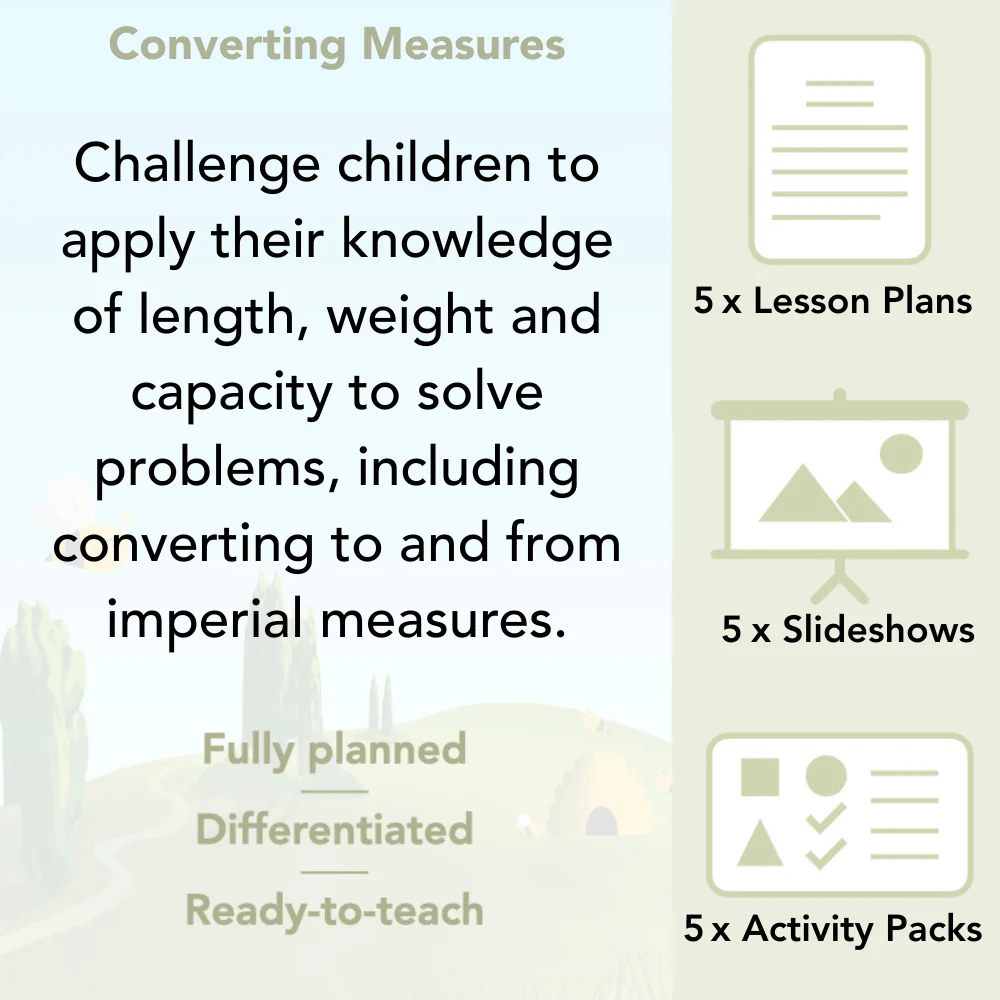
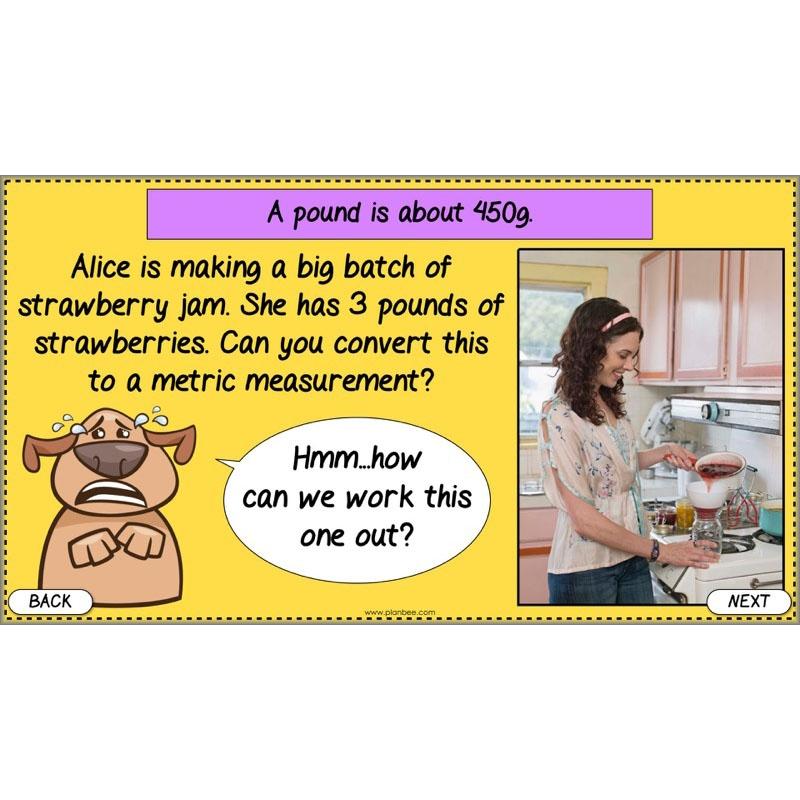
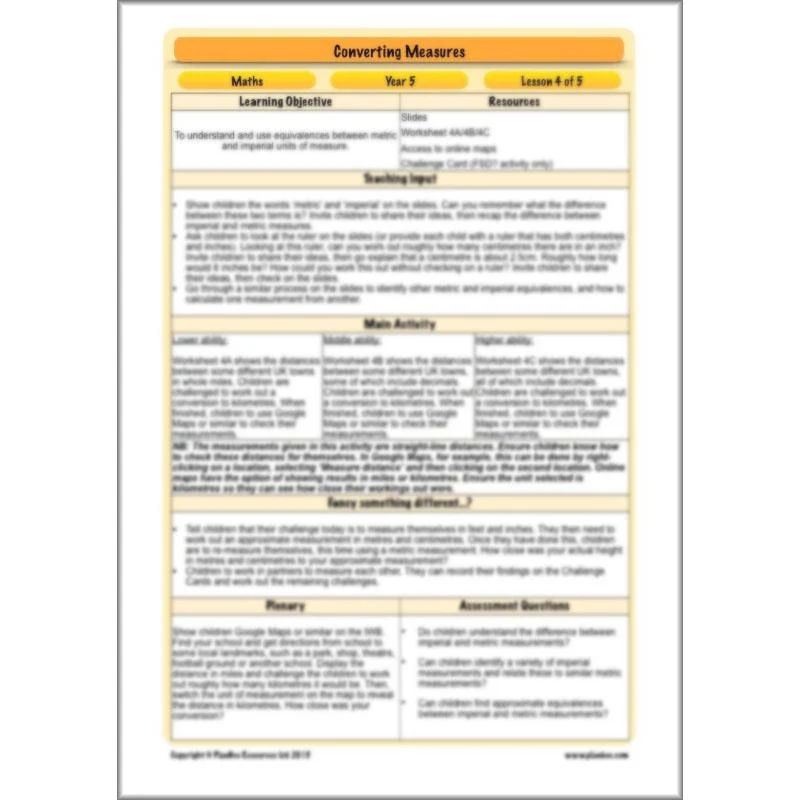
This 'Converting Measures' scheme of work for Year 5 recaps their knowledge of different units of measurement for length, weight and capacity, challenging them to use what they already know to solve some measuring problems, including scaling problems. They are also introduced to imperial measures and have the chance to approximately convert from imperial to metric and vice versa.
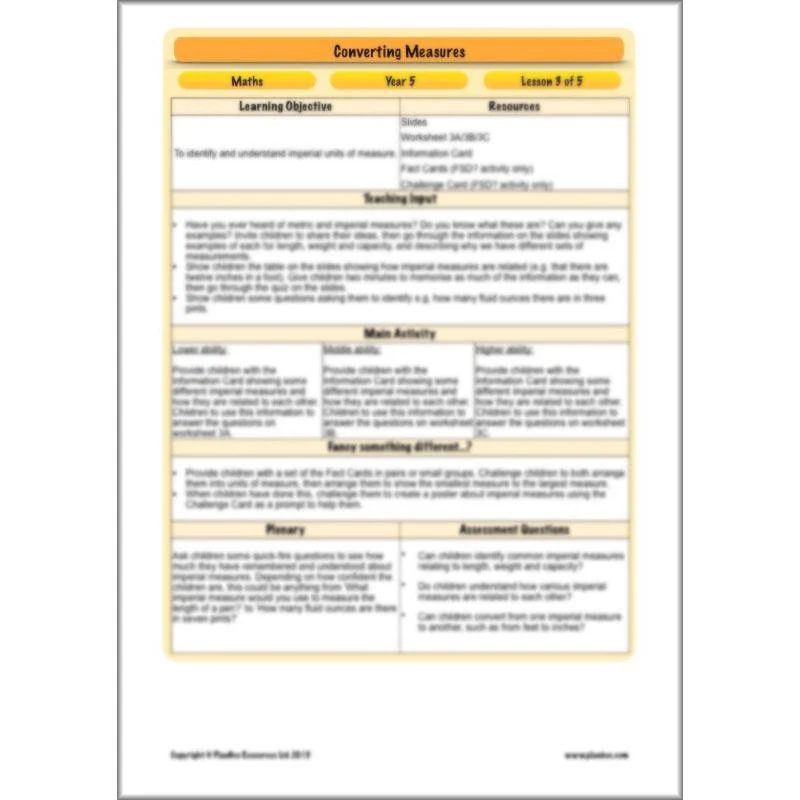
Each lesson within this scheme of work includes a detailed lesson plan with three-way differentiation, a set of slides for the teaching input and a range of printable resources. Answer sheets are also provided where necessary so all you need to do is focus on getting the best possible learning from your class!
The Four Operations
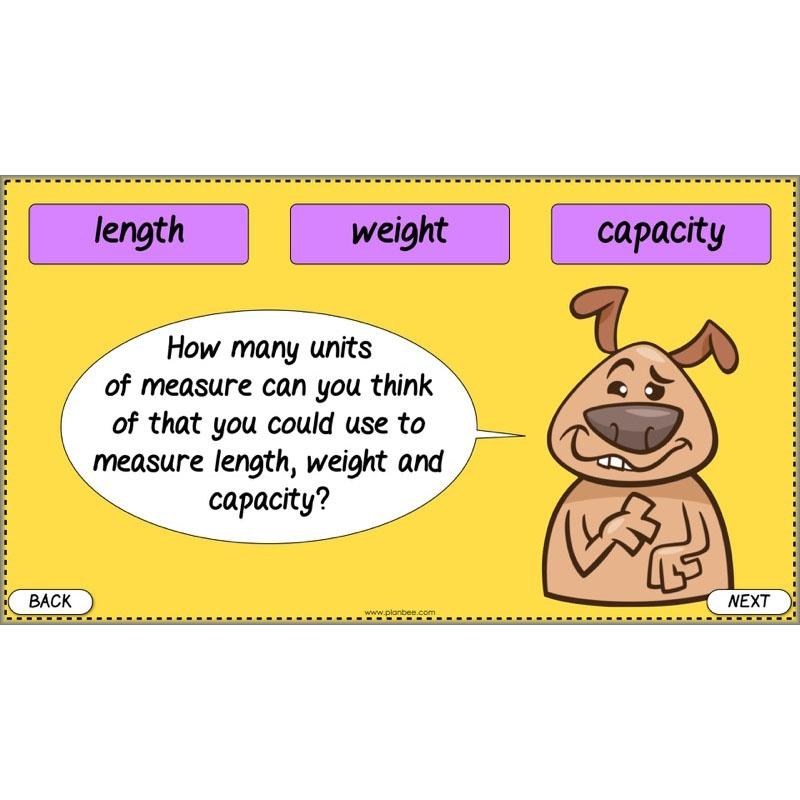
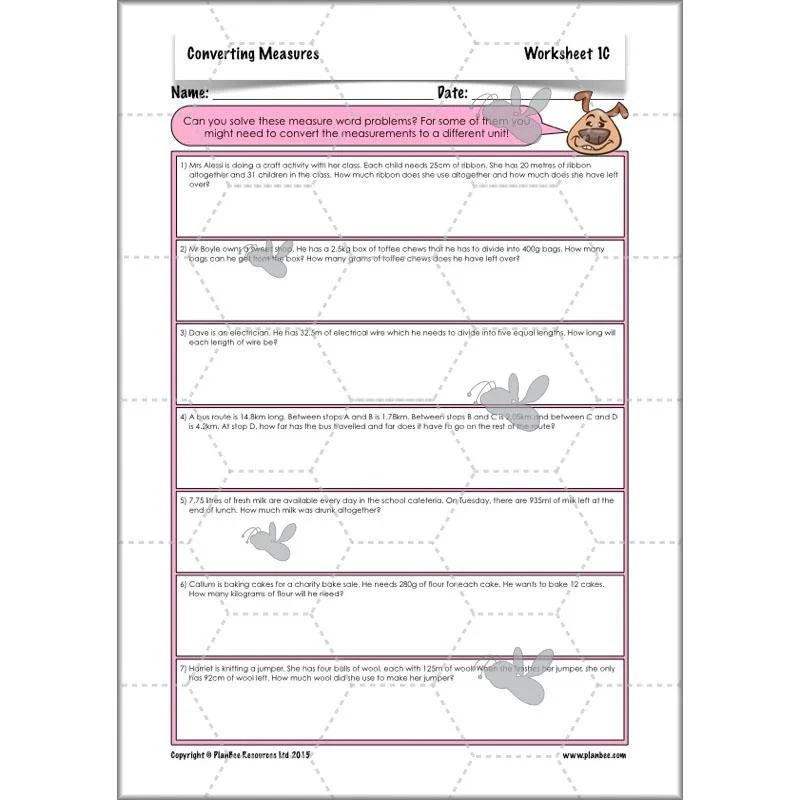
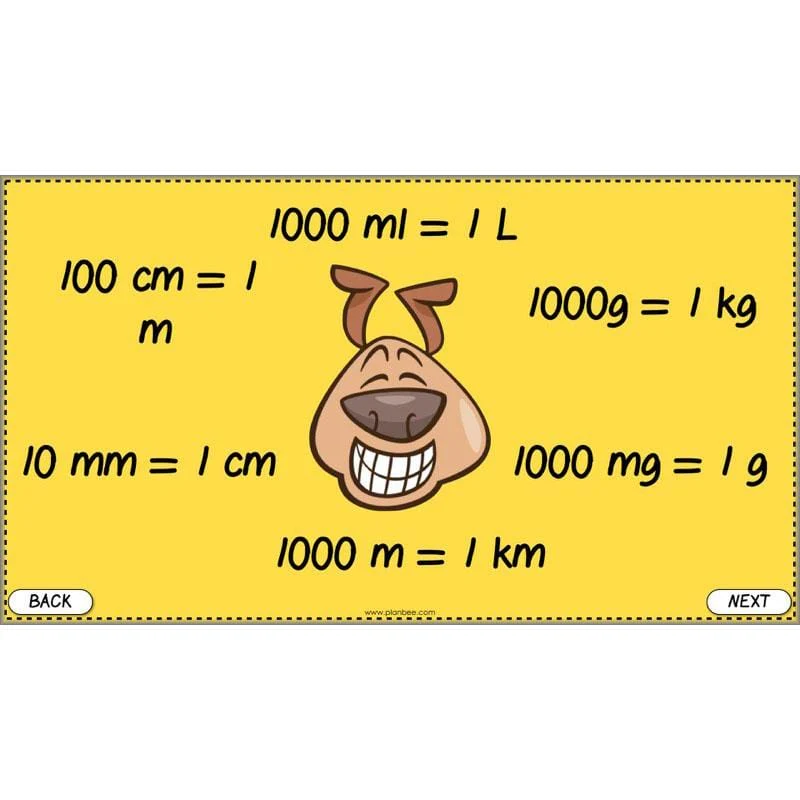
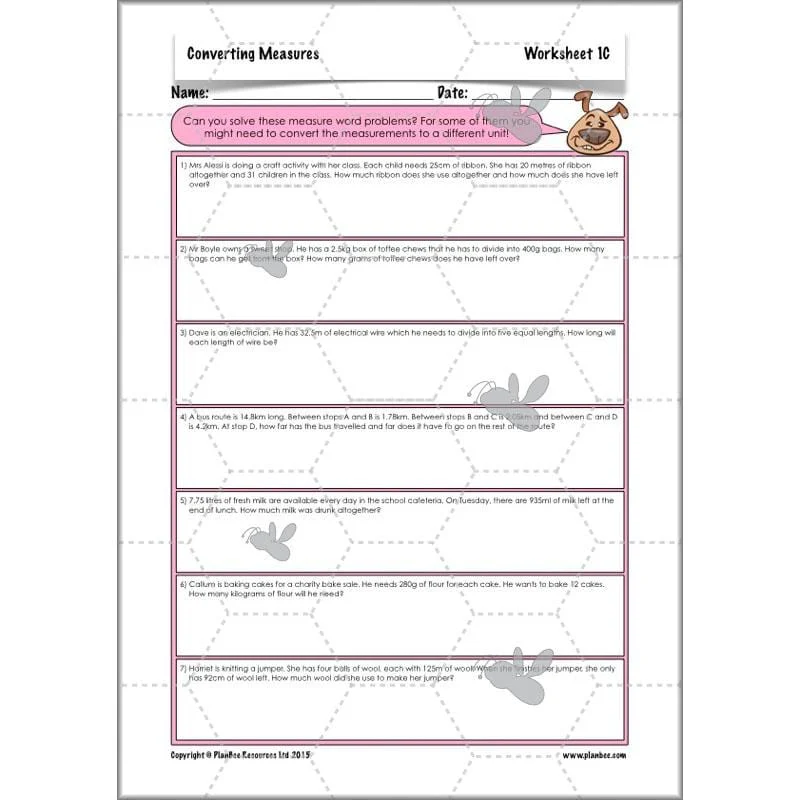
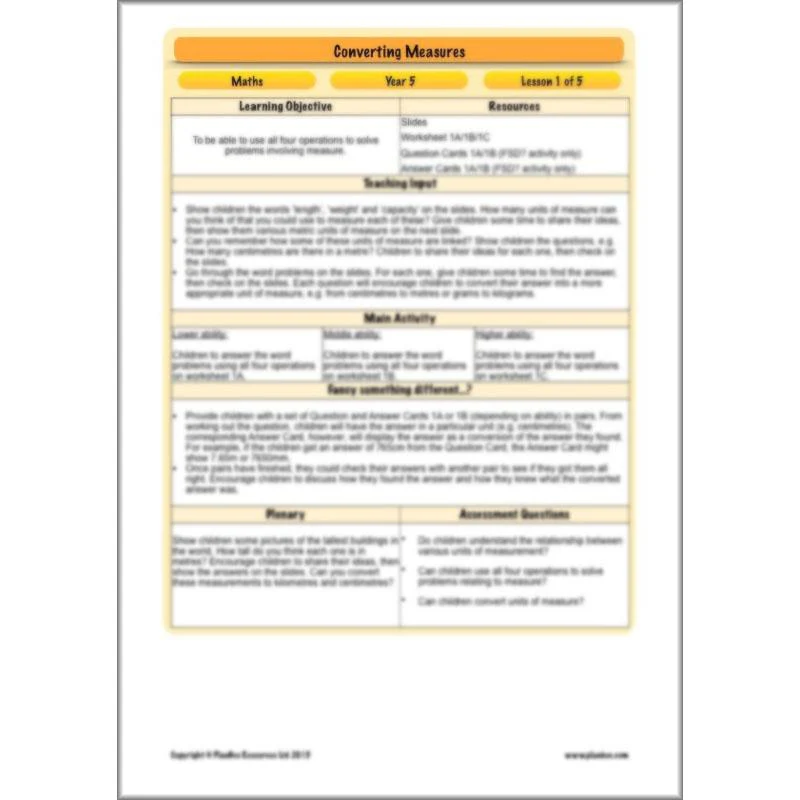
The first lesson in this series recaps the units of measure your class are already familiar with and reiterates how to convert between different units of measure. It then goes on to challenge your class to solve a variety of word problems relating to length, weight and capacity using all four operations, converting their answer to a more appropriate unit of measurement if necessary.
What's included:
- Lesson plan
- Slides
- Differentiated worksheets
- Question cards
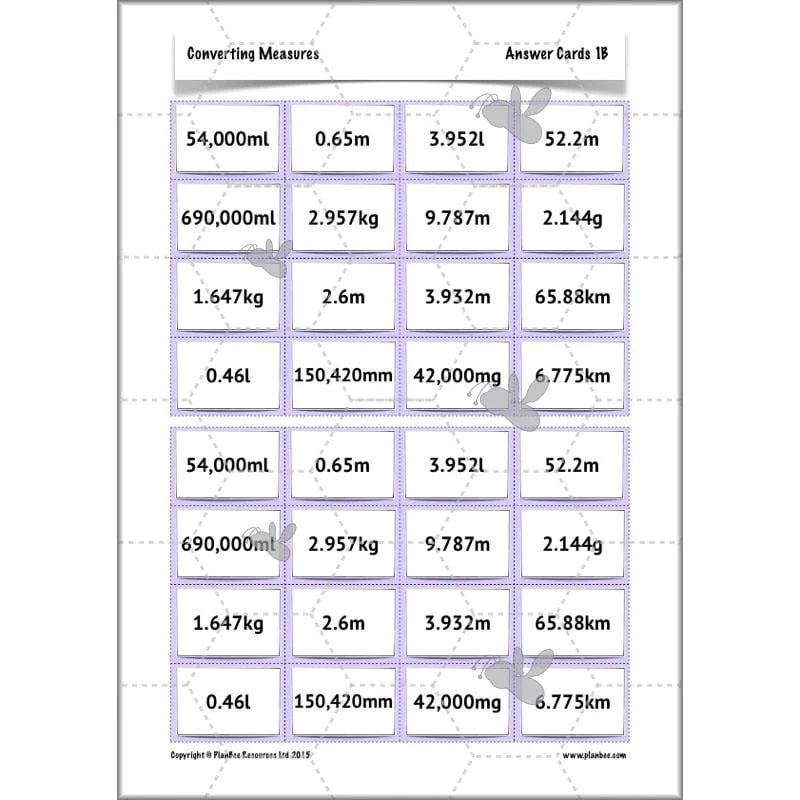
- Answer cards
View Lesson 1
Scaling Recipes
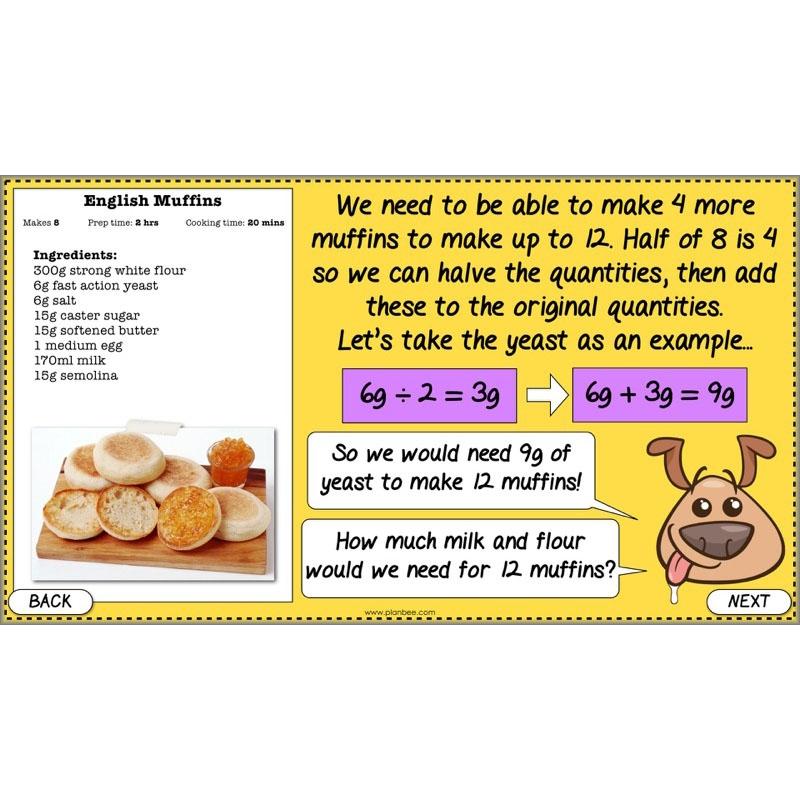
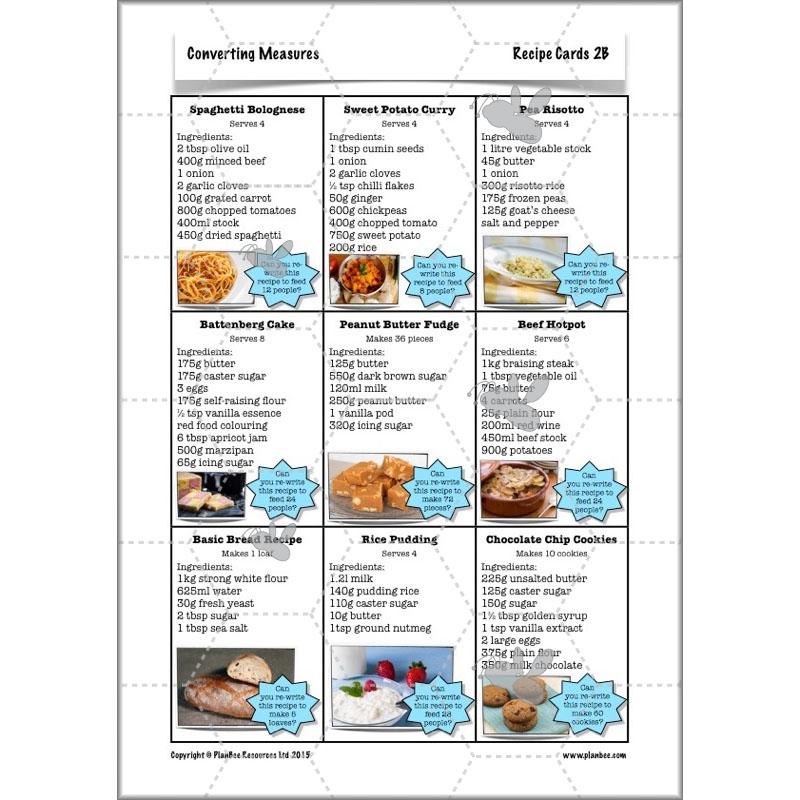
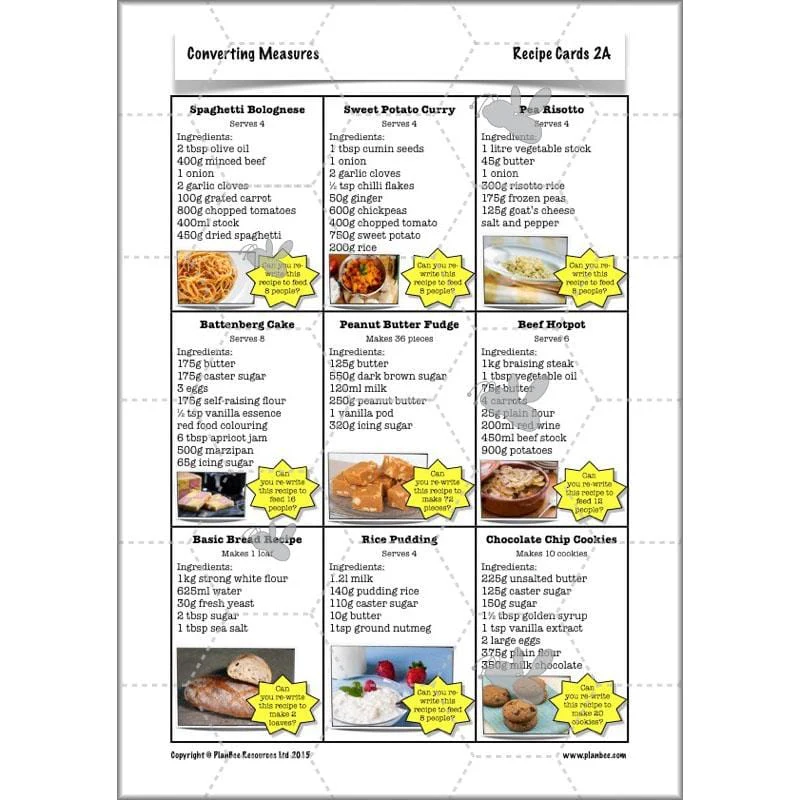
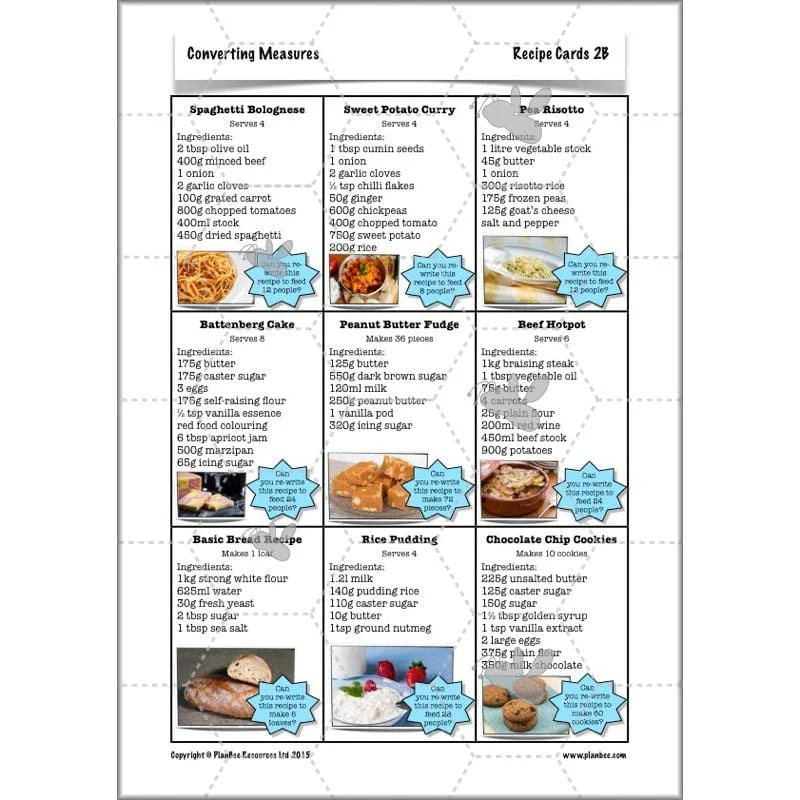
This delicious lesson gives your class the chance to solve scaling problems involving measures by converting quantities needed in recipes when the number of people a recipe feeds is adjusted. From simple doubling and halving to more tricky adjustments, this lesson has something to challenge everyone.
What's included:
- Lesson plan
- Slides
- Activity ideas
- Recipe cards
- Blank recipe cards
View Lesson 2
Imperial Measures
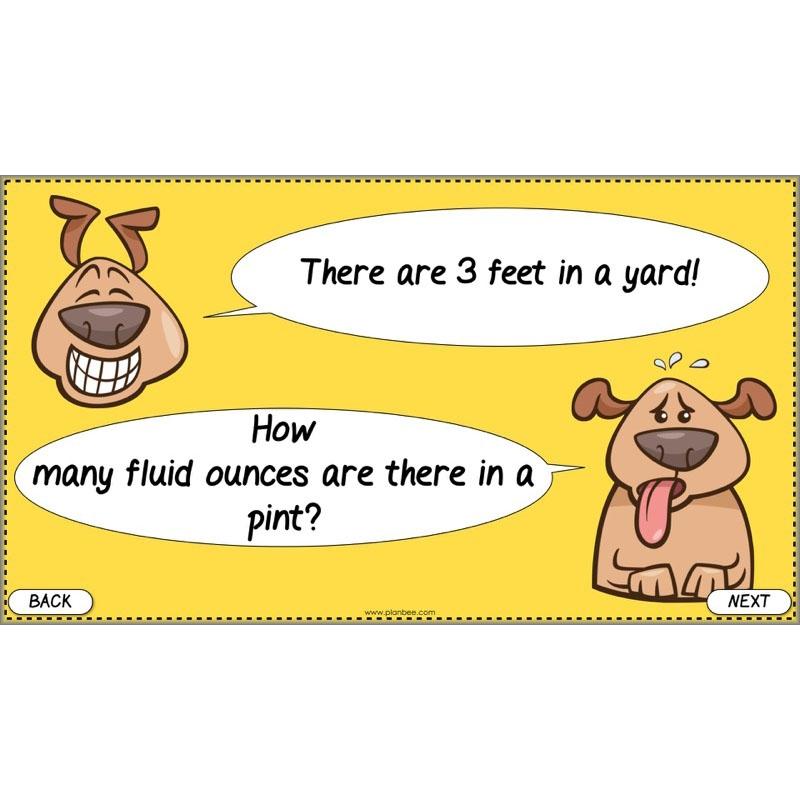
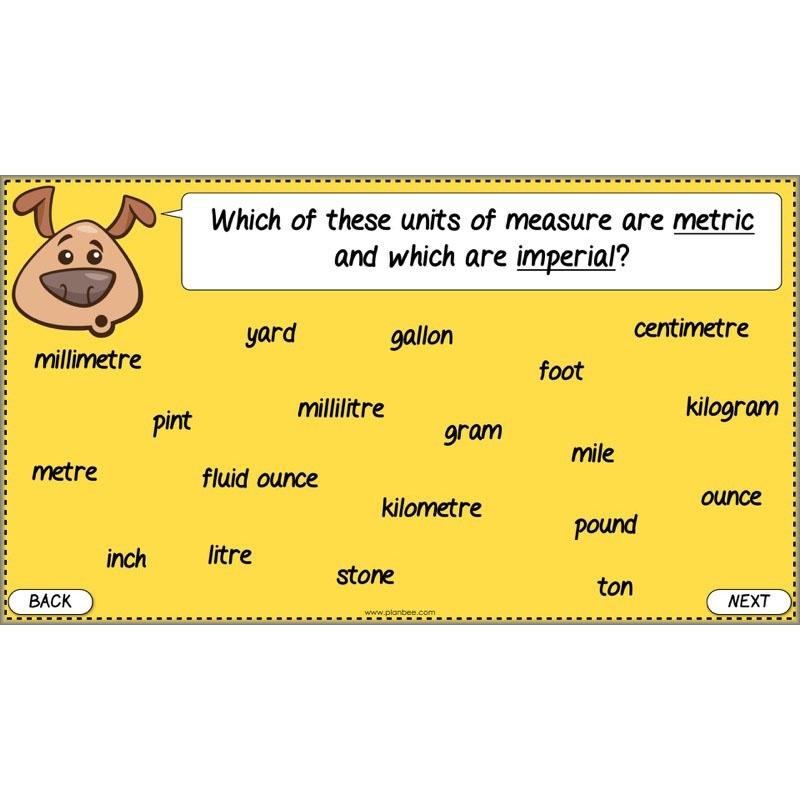
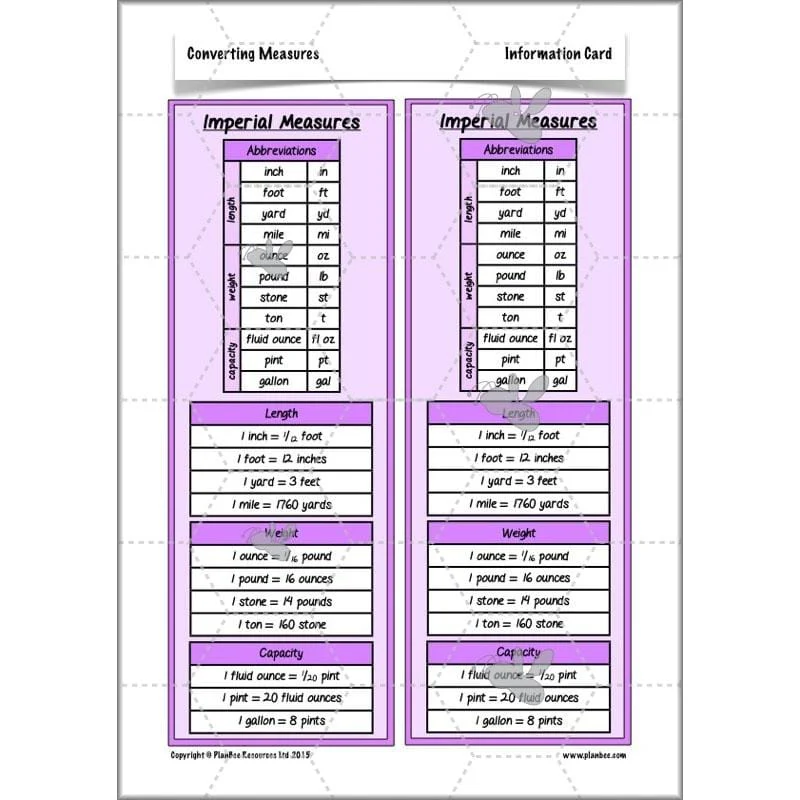
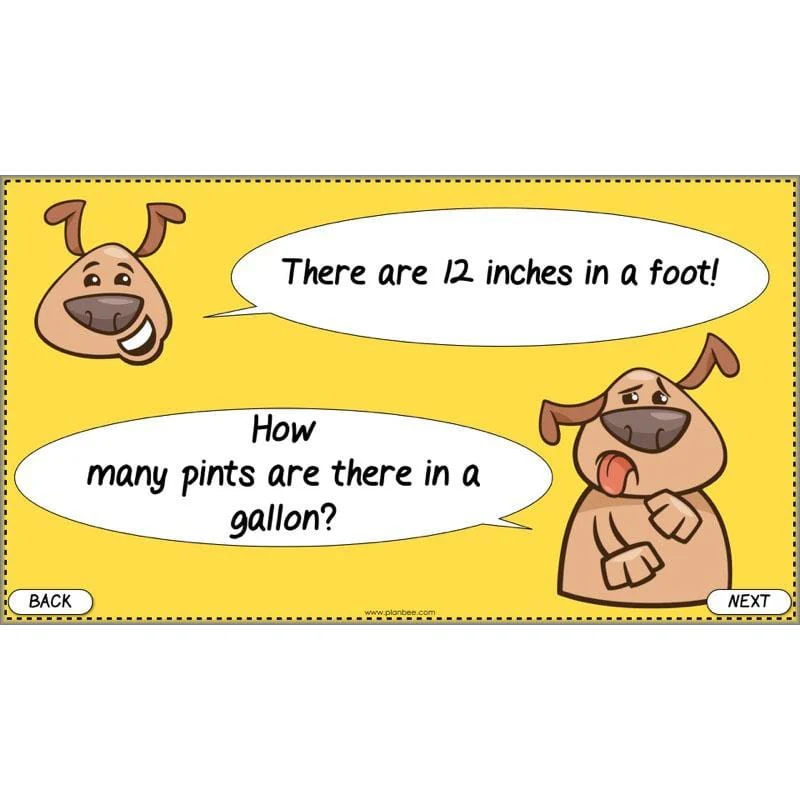
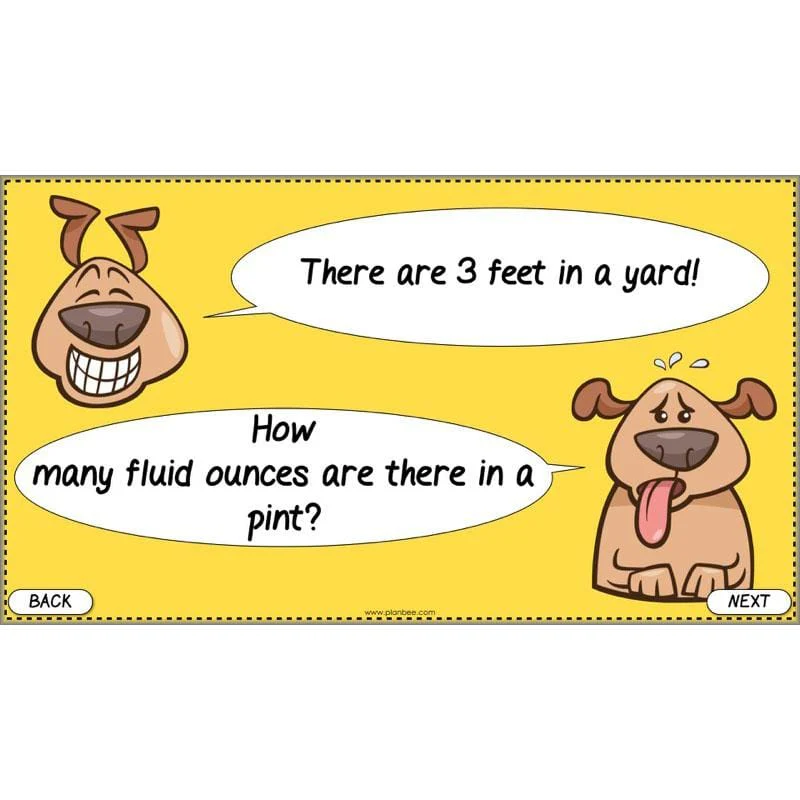
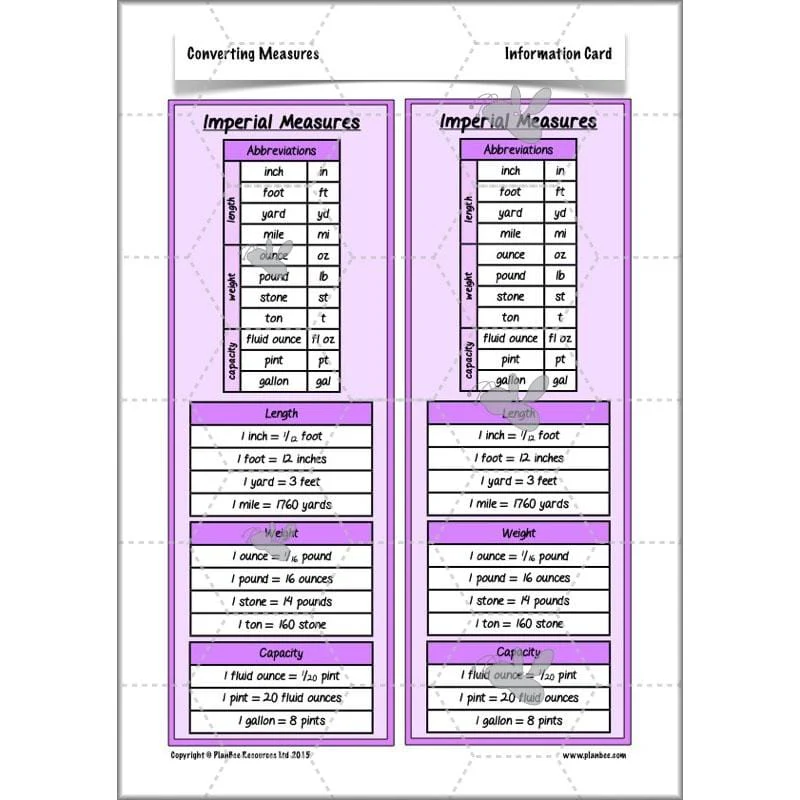
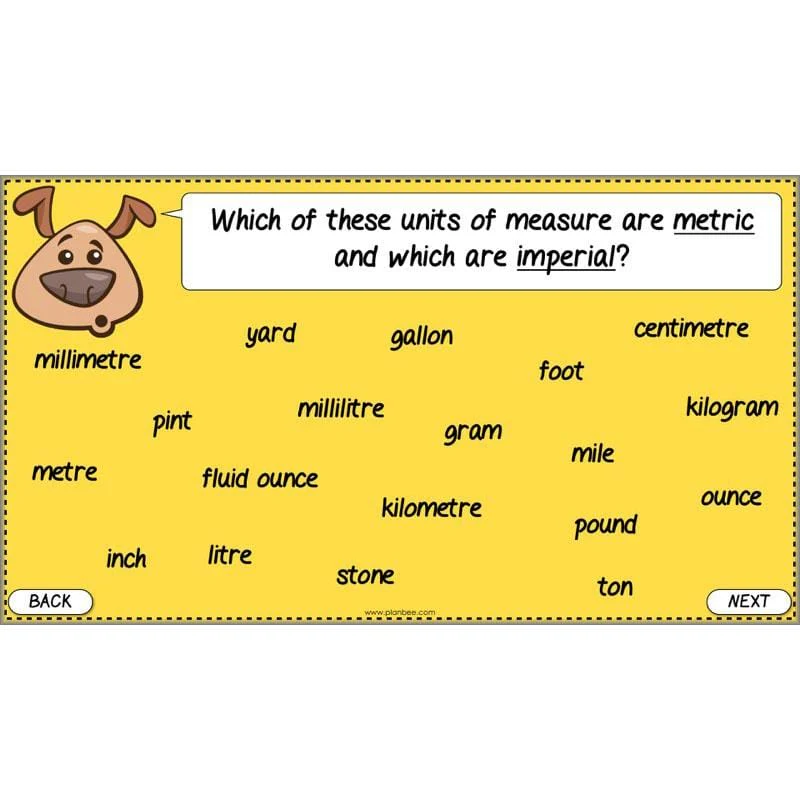
Your class is introduced to imperial measures in this lesson as they find out about some common imperial measures for length, weight and capacity, and how they are related to one another (for example, that there are twelve inches in a foot). They then use this information to solve problems involving converting between units of measure.
What's included:
- Lesson plan
- Slides
- Activity ideas
- Differentiated worksheets
- Challenge cards
- Fact cards
- Information sheet
View Lesson 3
Metric and Imperial Length
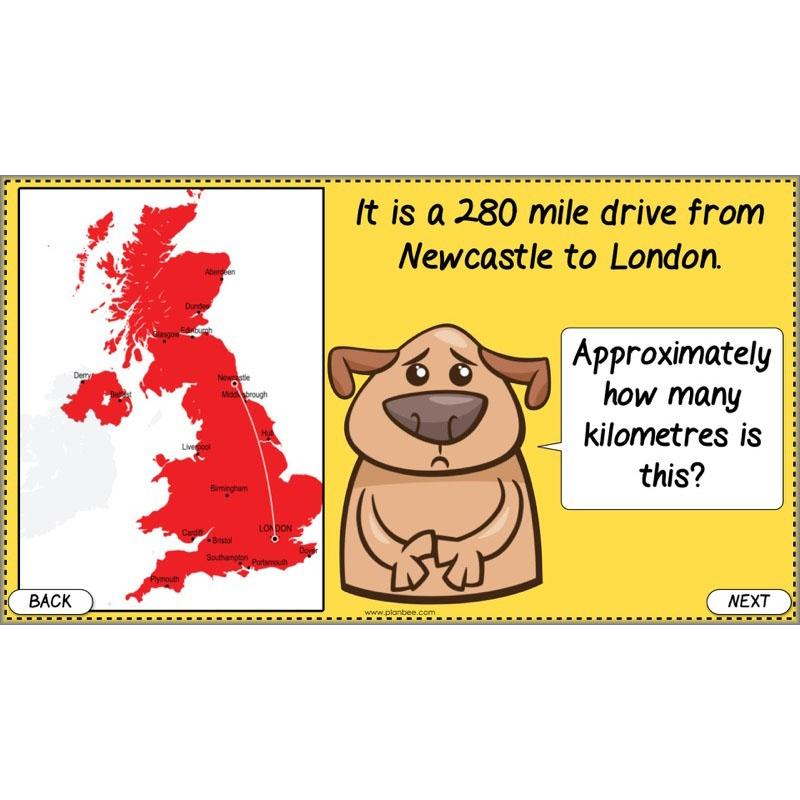
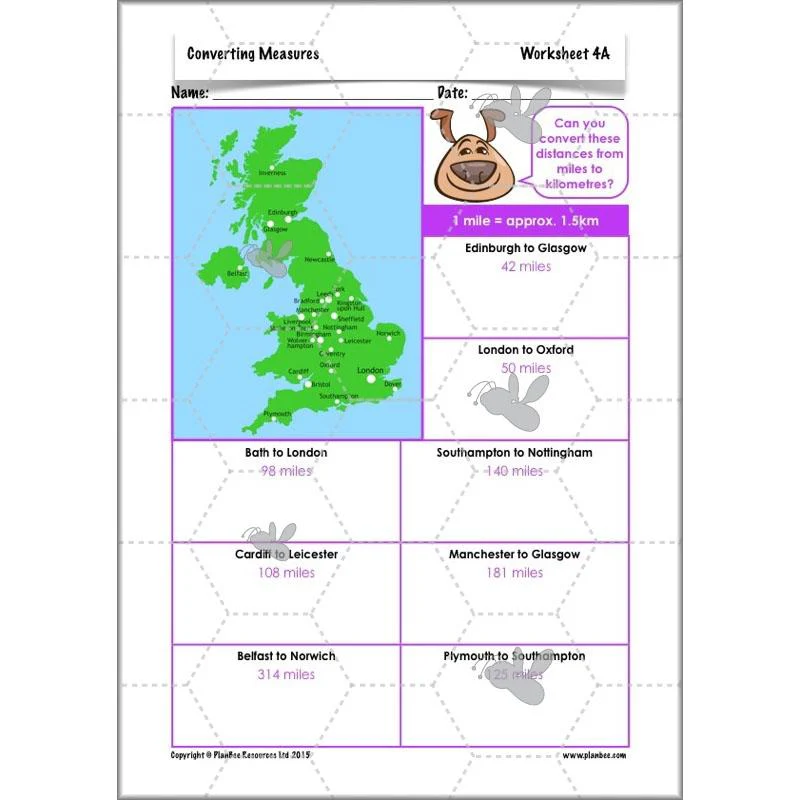
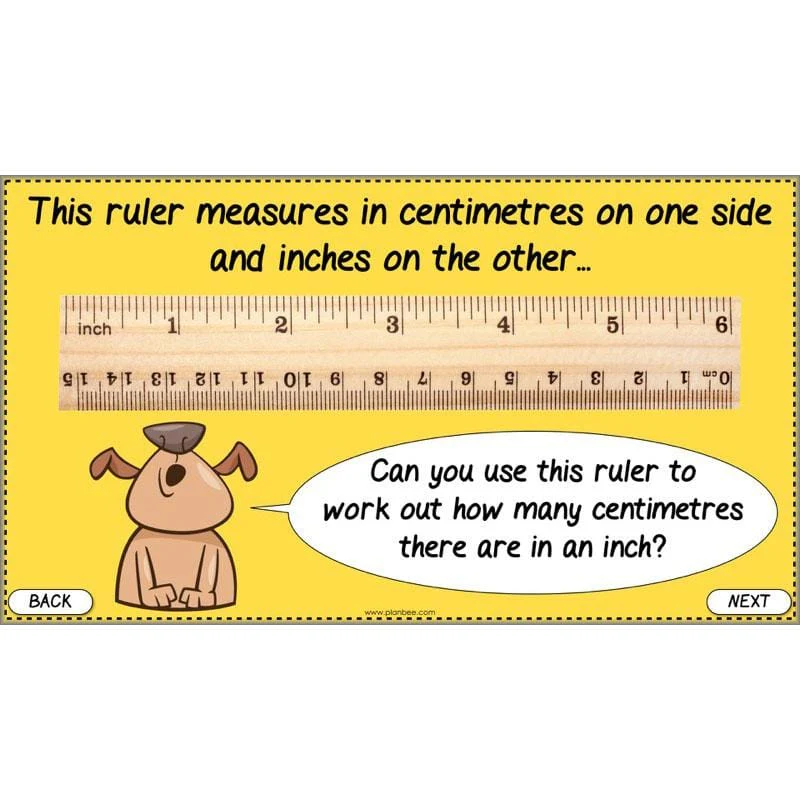
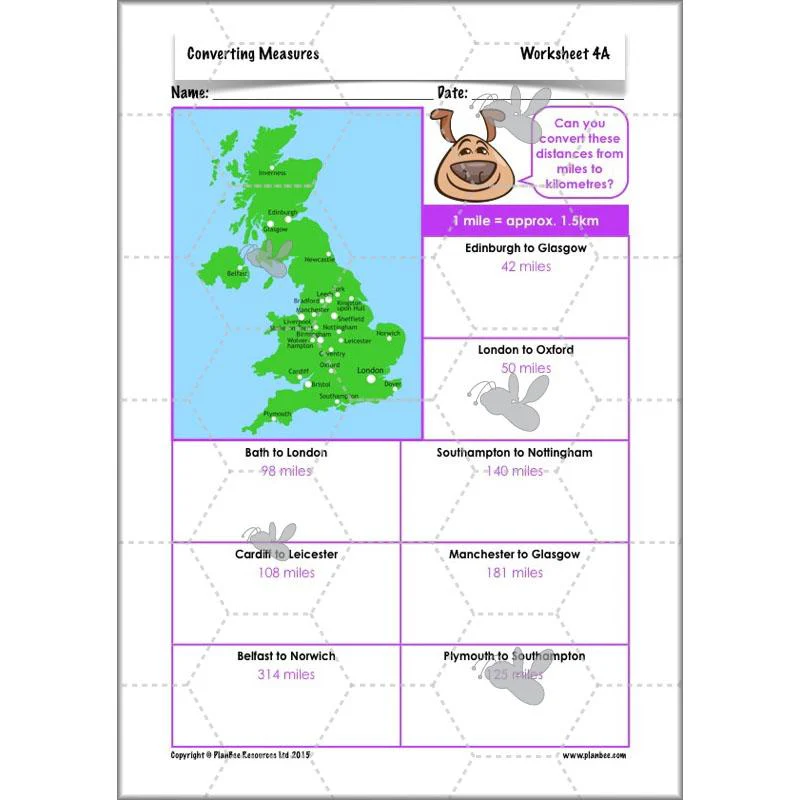
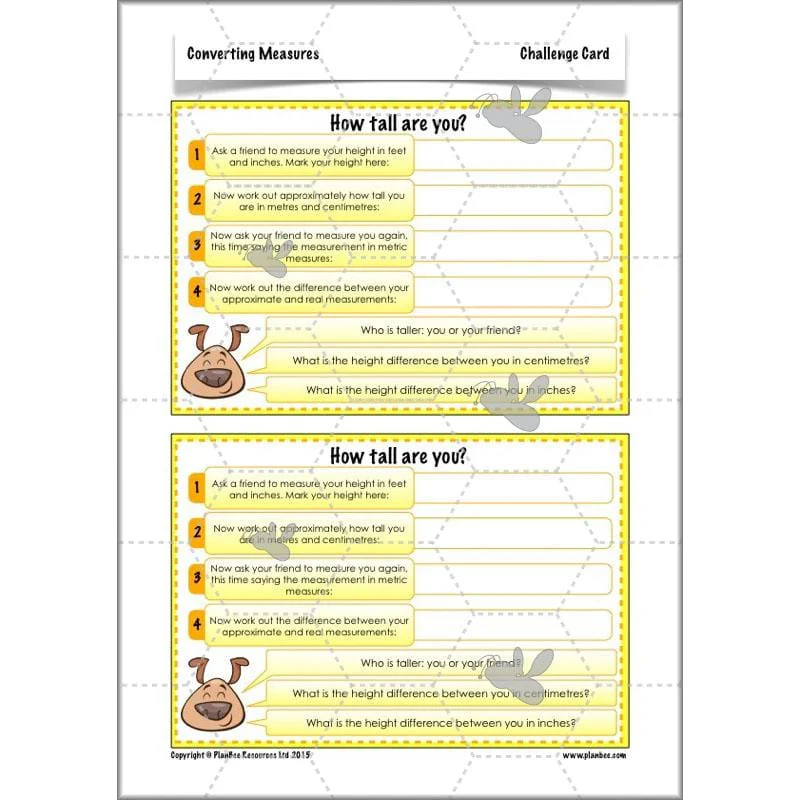
Now that your class can identify some different imperial measures and what they measure, they will be challenged to use conversions between metric and imperial measures relating to length. Using approximate conversions between inches and centimetres, and miles and kilometres, your class will solve a variety of problems.
What's included:
- Lesson plan
- Slides
- Activity ideas
- Differentiated worksheets
- Challenge cards
View Lesson 4
Imperial and Metric Weight and Capacity
The final lesson in this series encourages your class to use approximate conversions to convert between metric and imperial units of measure for weight and capacity. Your children will convert recipes with mixed measures into either metric or imperial using approximate equivalences. They can also test approximate equivalences of capacity for themselves as they measure out different amounts of water in both imperial and metric measures.
What's included:
- Lesson plan
- Slides
- Activity ideas
- Differentiated worksheets
- Information card
- Capacity cards
View Lesson 5
Original: $4.65
-65%$4.65
$1.63






















Description
This 'Converting Measures' scheme of work for Year 5 recaps their knowledge of different units of measurement for length, weight and capacity, challenging them to use what they already know to solve some measuring problems, including scaling problems. They are also introduced to imperial measures and have the chance to approximately convert from imperial to metric and vice versa.
Each lesson within this scheme of work includes a detailed lesson plan with three-way differentiation, a set of slides for the teaching input and a range of printable resources. Answer sheets are also provided where necessary so all you need to do is focus on getting the best possible learning from your class!
The Four Operations
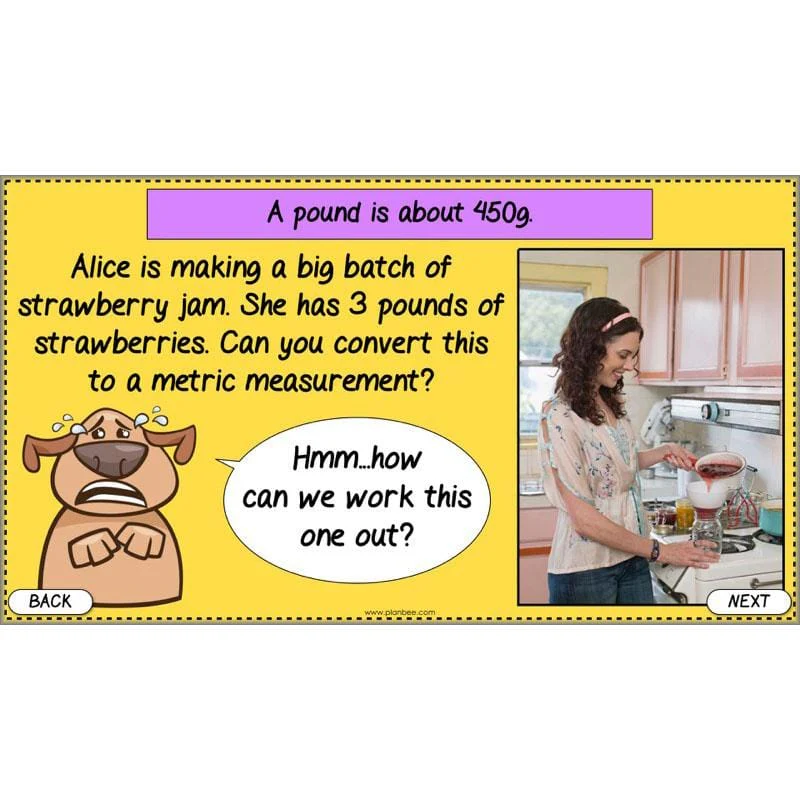
The first lesson in this series recaps the units of measure your class are already familiar with and reiterates how to convert between different units of measure. It then goes on to challenge your class to solve a variety of word problems relating to length, weight and capacity using all four operations, converting their answer to a more appropriate unit of measurement if necessary.
What's included:
- Lesson plan
- Slides
- Differentiated worksheets
- Question cards
- Answer cards
View Lesson 1
Scaling Recipes
This delicious lesson gives your class the chance to solve scaling problems involving measures by converting quantities needed in recipes when the number of people a recipe feeds is adjusted. From simple doubling and halving to more tricky adjustments, this lesson has something to challenge everyone.
What's included:
- Lesson plan
- Slides
- Activity ideas
- Recipe cards
- Blank recipe cards
View Lesson 2
Imperial Measures
Your class is introduced to imperial measures in this lesson as they find out about some common imperial measures for length, weight and capacity, and how they are related to one another (for example, that there are twelve inches in a foot). They then use this information to solve problems involving converting between units of measure.
What's included:
- Lesson plan
- Slides
- Activity ideas
- Differentiated worksheets
- Challenge cards
- Fact cards
- Information sheet
View Lesson 3
Metric and Imperial Length
Now that your class can identify some different imperial measures and what they measure, they will be challenged to use conversions between metric and imperial measures relating to length. Using approximate conversions between inches and centimetres, and miles and kilometres, your class will solve a variety of problems.
What's included:
- Lesson plan
- Slides
- Activity ideas
- Differentiated worksheets
- Challenge cards
View Lesson 4
Imperial and Metric Weight and Capacity
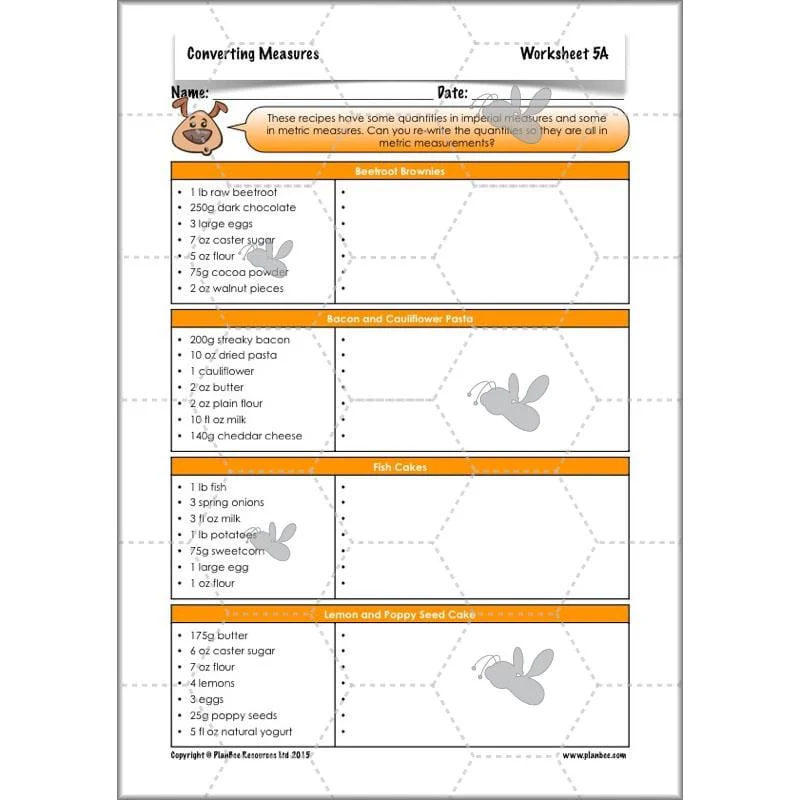
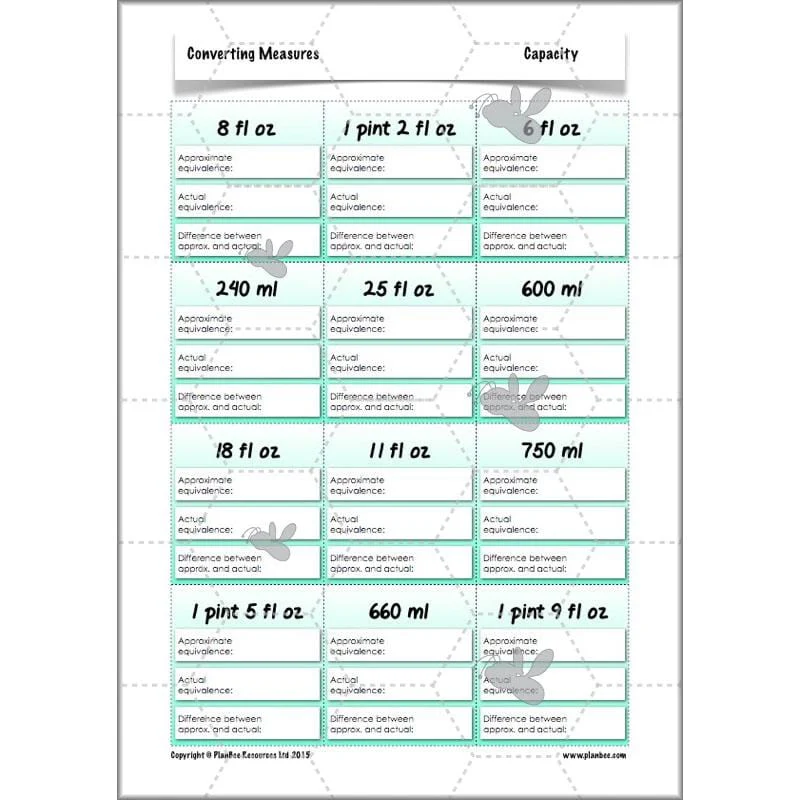
The final lesson in this series encourages your class to use approximate conversions to convert between metric and imperial units of measure for weight and capacity. Your children will convert recipes with mixed measures into either metric or imperial using approximate equivalences. They can also test approximate equivalences of capacity for themselves as they measure out different amounts of water in both imperial and metric measures.
What's included:
- Lesson plan
- Slides
- Activity ideas
- Differentiated worksheets
- Information card
- Capacity cards
View Lesson 5