Great British Scientists
Explore the lives of some of the most influential and recognised Great British Scientists in this seven-lesson Science scheme of work for Years 5 and 6. Investigate Newton’s work on the three laws of motion and how he discovered the colour spectrum. Discover black holes with Stephen Hawking and evolution with the help of Anning, Wallace and Darwin.
Inspire your class of scientists to work scientifically in different contexts while developing and applying their skills, all through fully-prepared lessons that provide everything you need, including lesson plans, slides, differentiated activities and a variety of printable resources.
You might also like our Brilliant Britain Topic Bundle – perfect if you're looking for a cross-curricular approach to your teaching.
Representation in Science
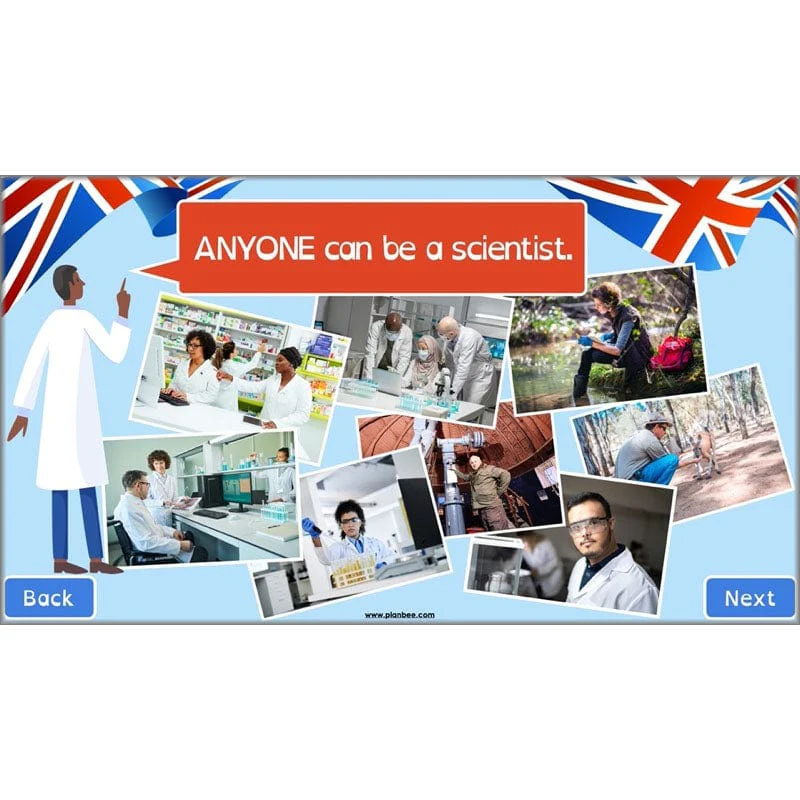
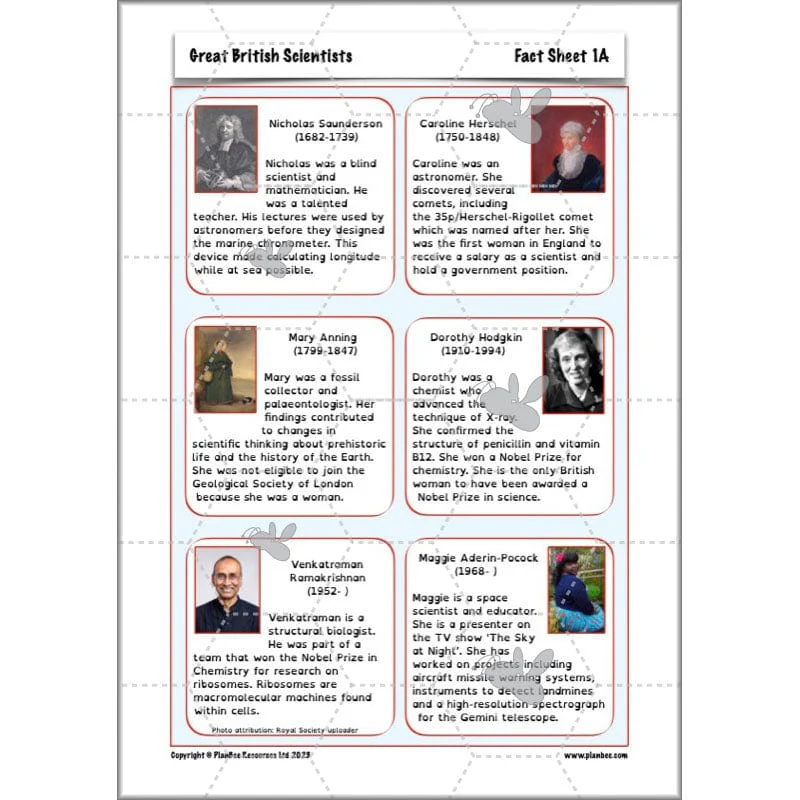
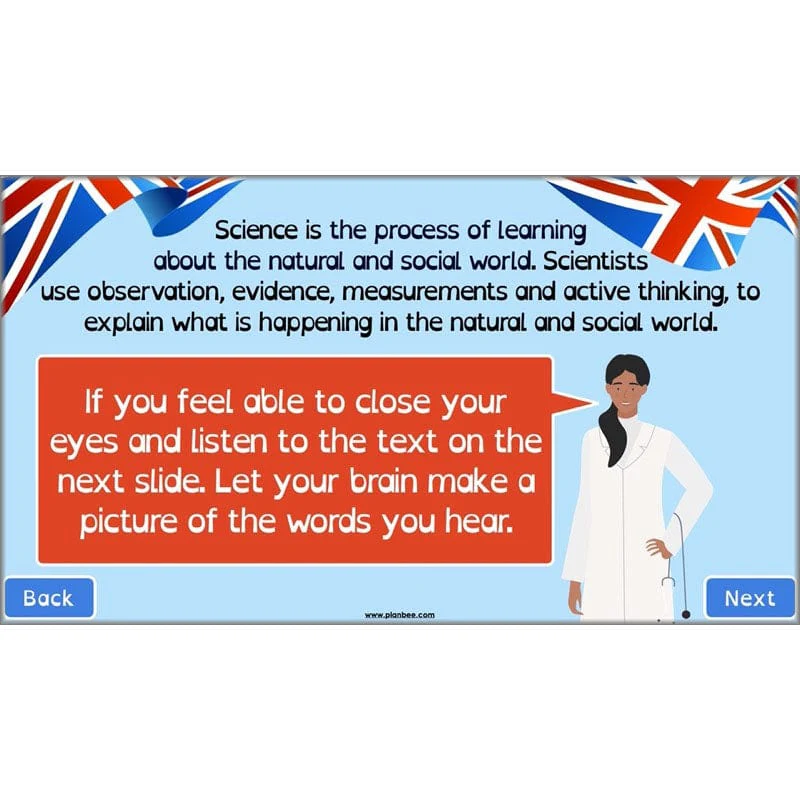
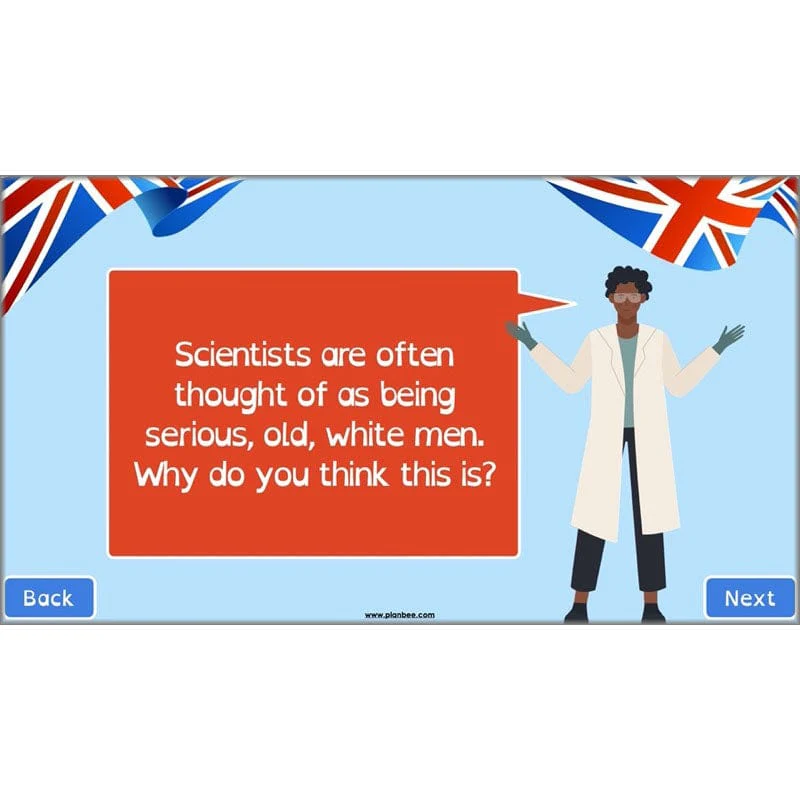
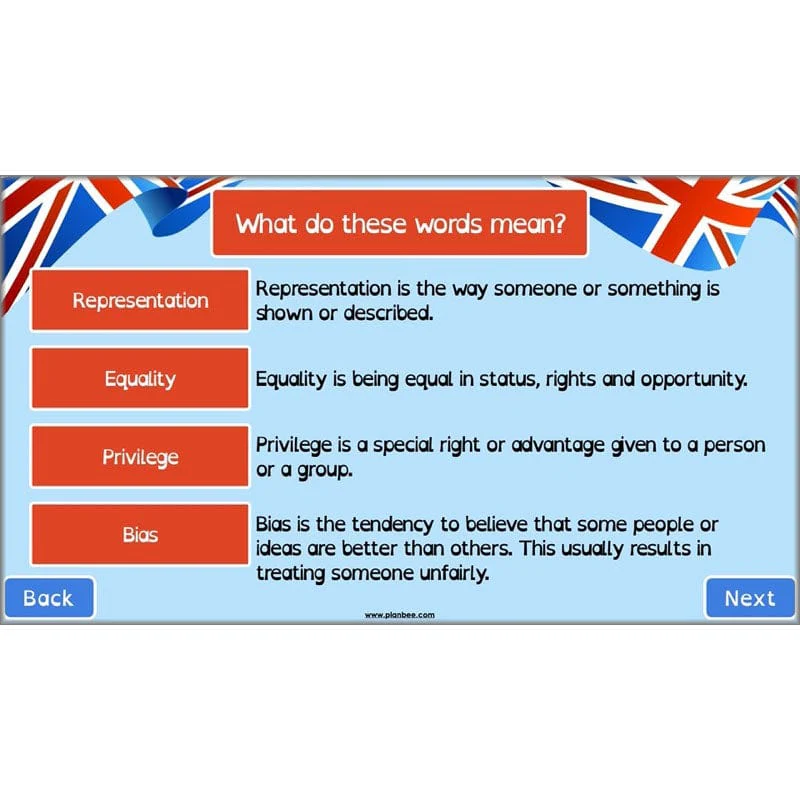
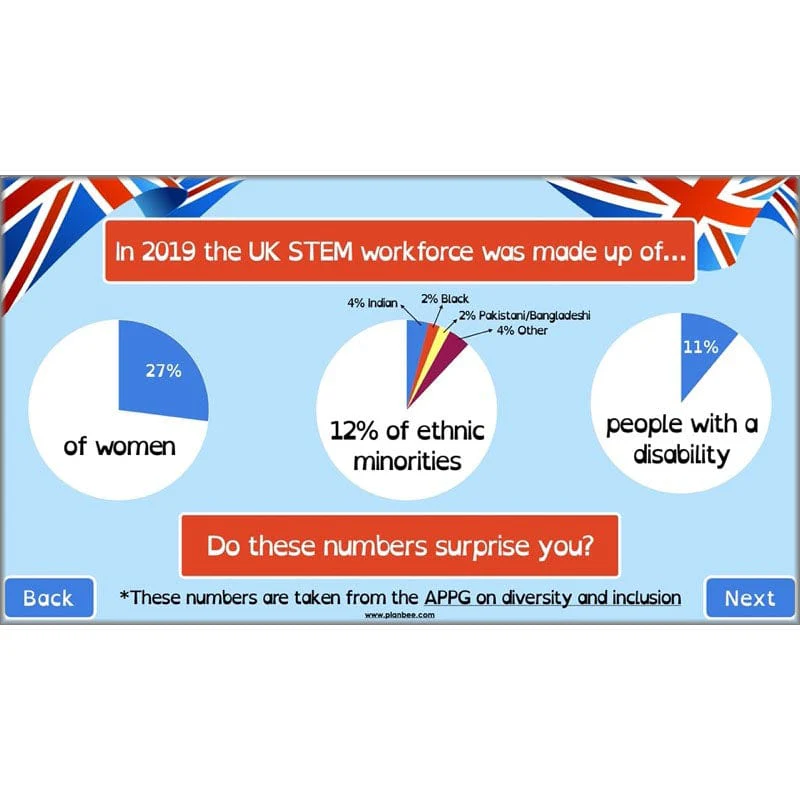
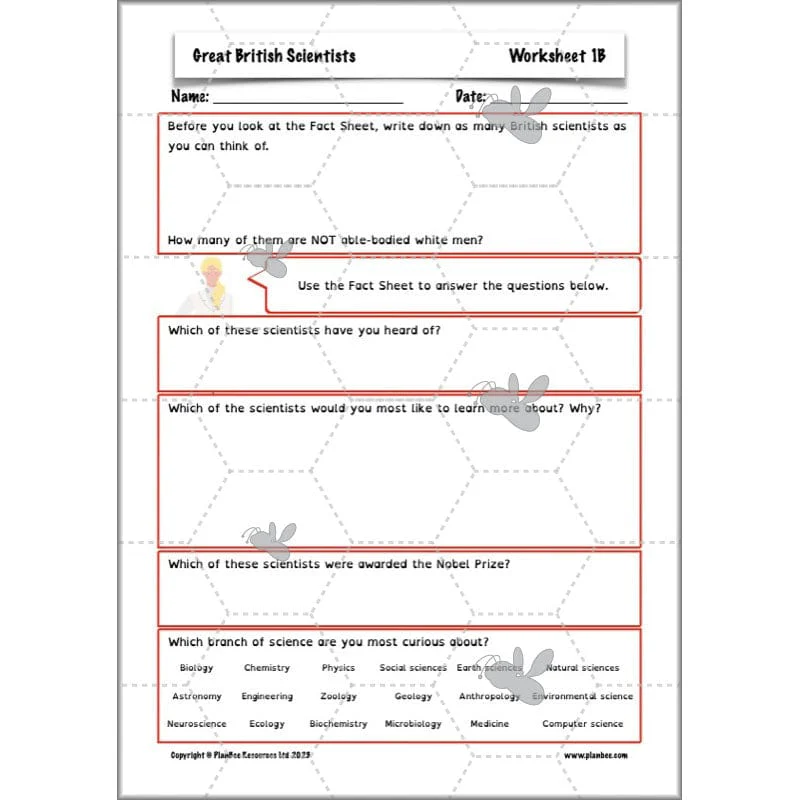
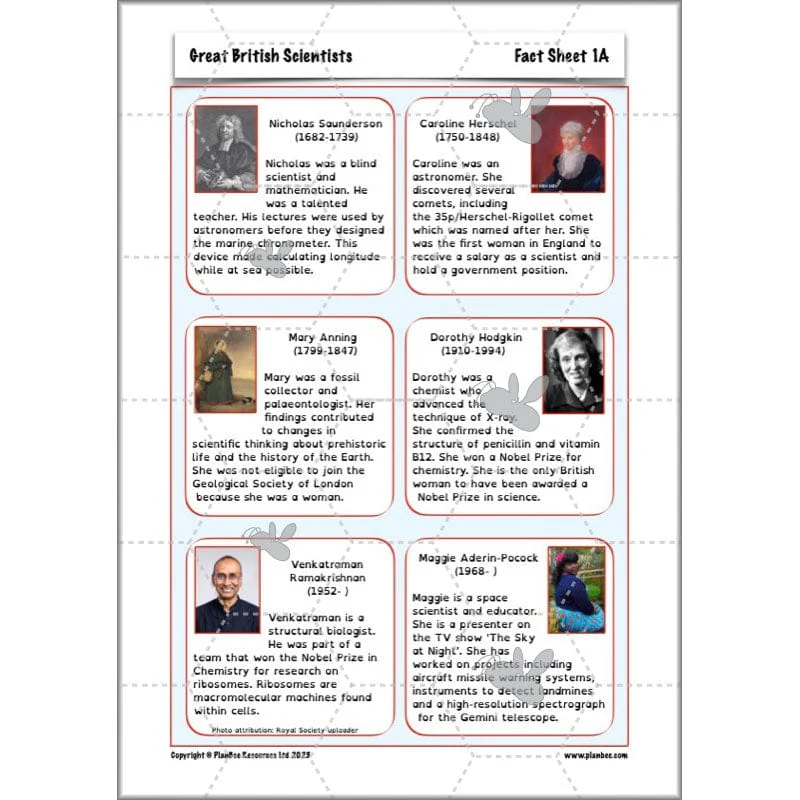
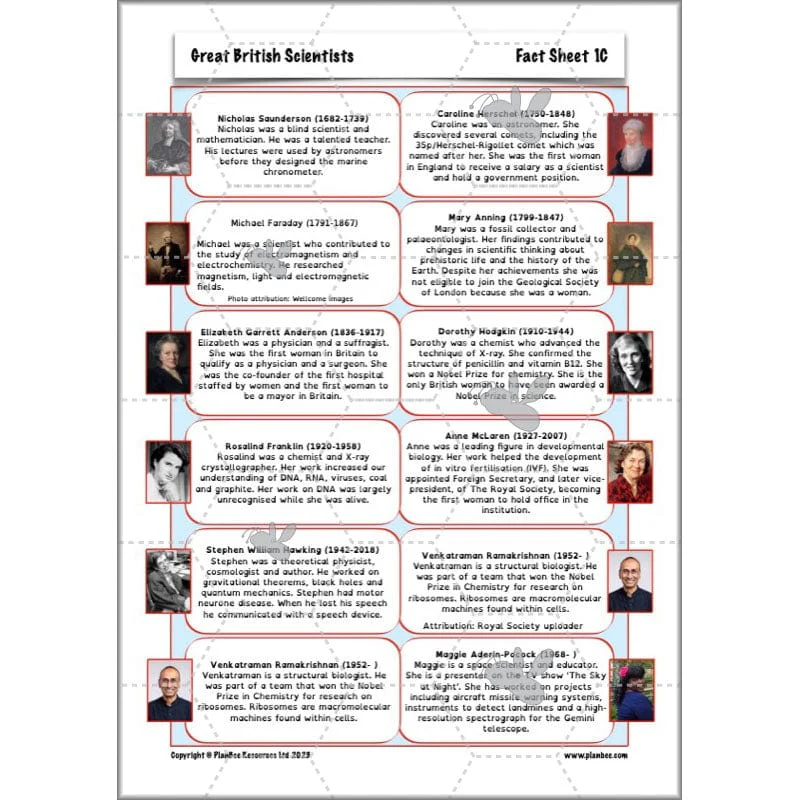
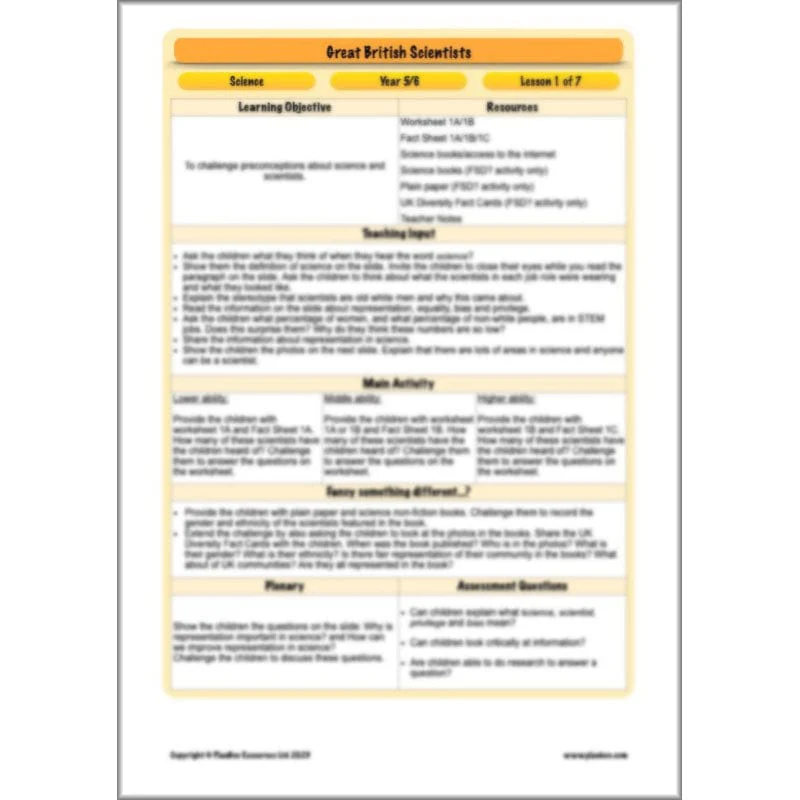
Challenge your class to think about representation, privilege and bias in science. Your class will think about why so many famous historical scientists in Britain were white men. They will be encouraged to think about the impact this has had on scientific priorities and the impact representation has had on societal preconceptions of the field of science.
Your class will either learn about a range of scientists or they will examine how well-represented different communities are in their science non-fiction books.
What's included:
- Lesson plan
- Slides
- Activity ideas
- Differentiated worksheets
- Fact Sheets
- UK Diversity Fact Cards
- Teacher Notes
View Lesson 1
Newton, Colour and Light
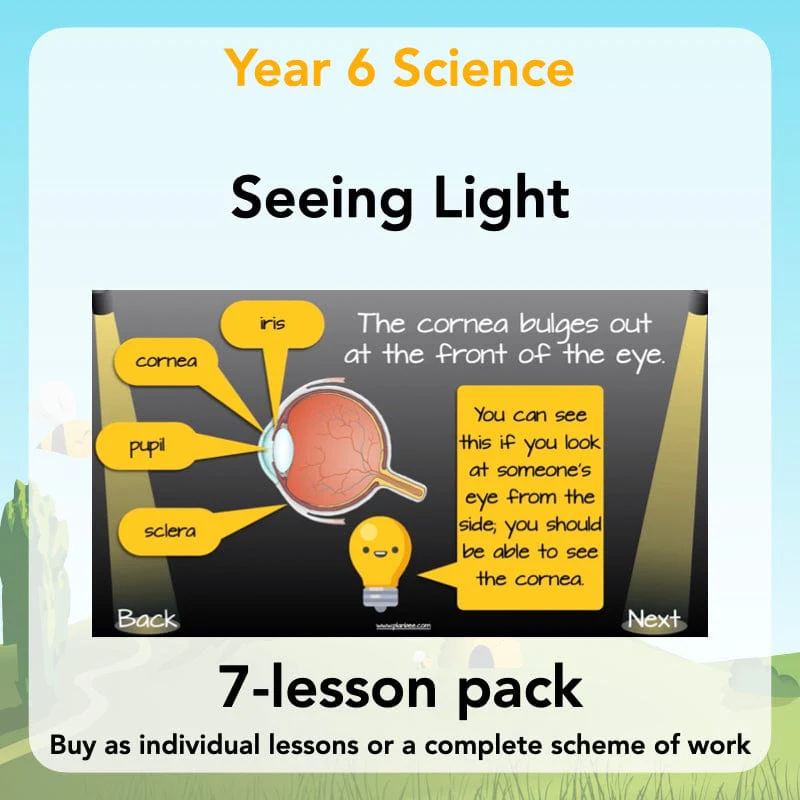
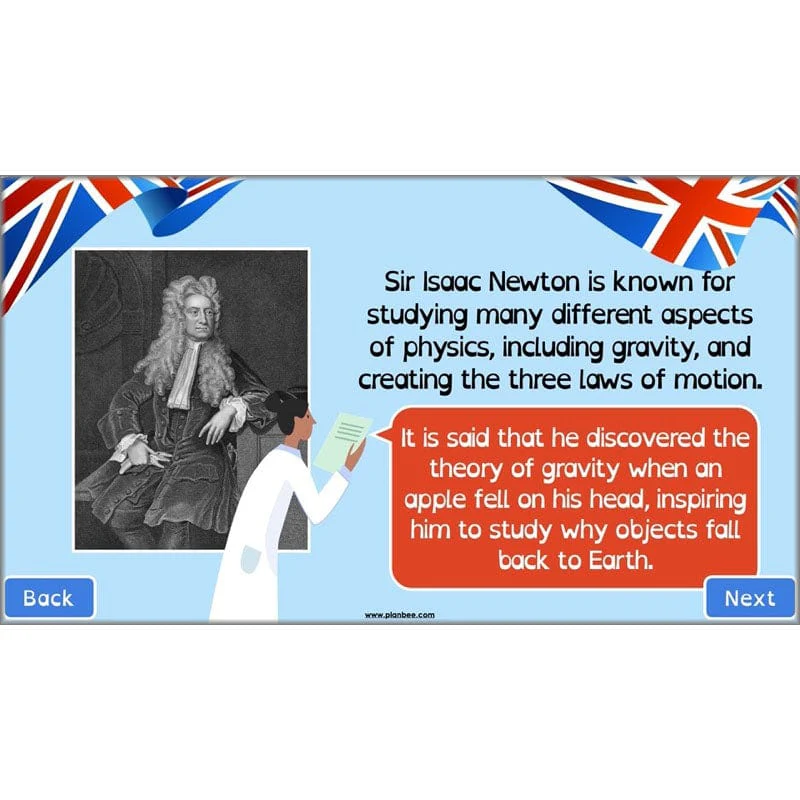
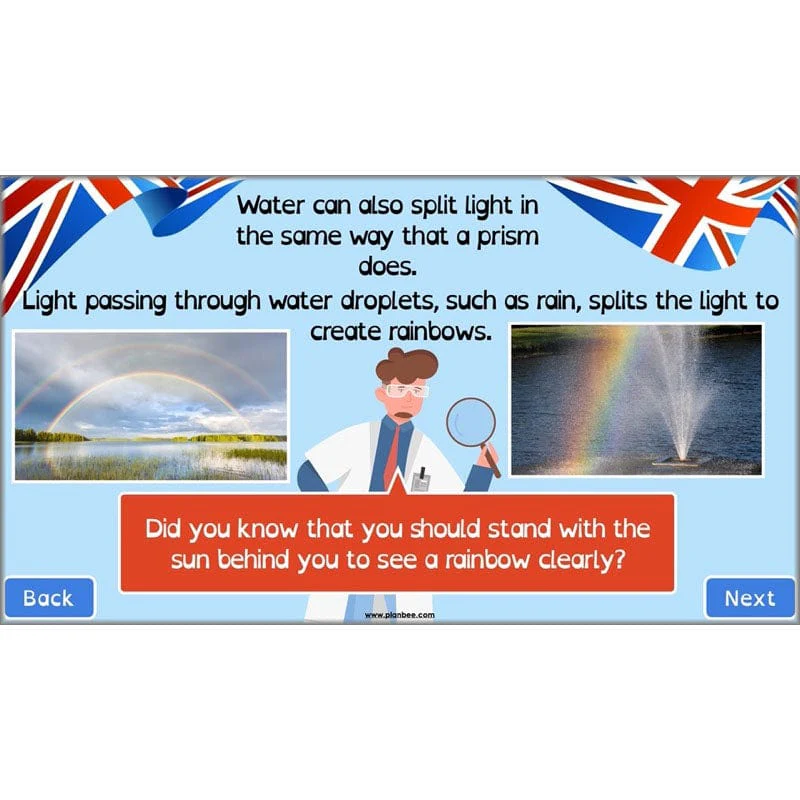
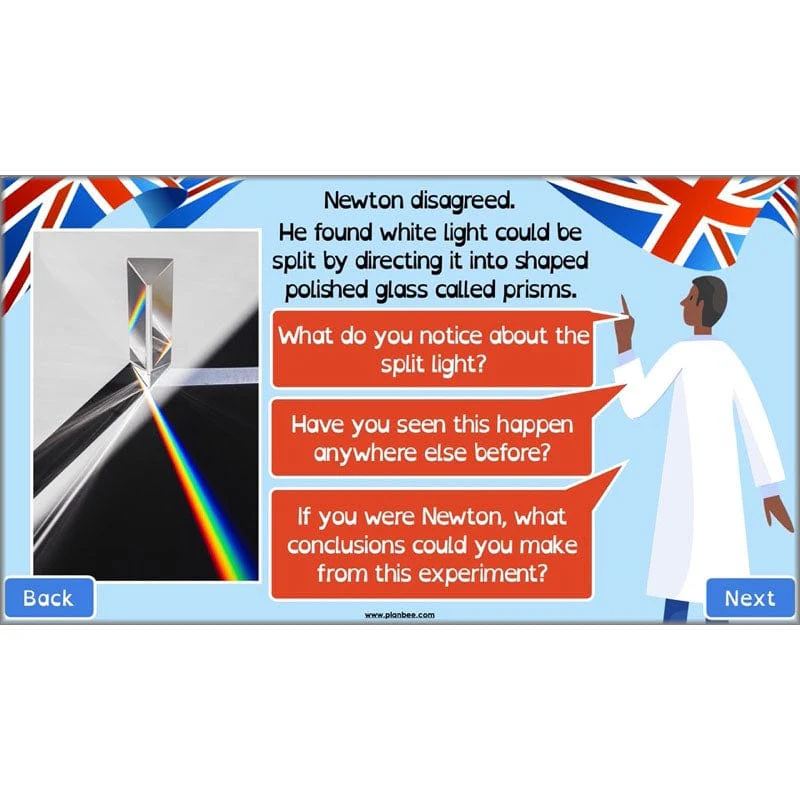
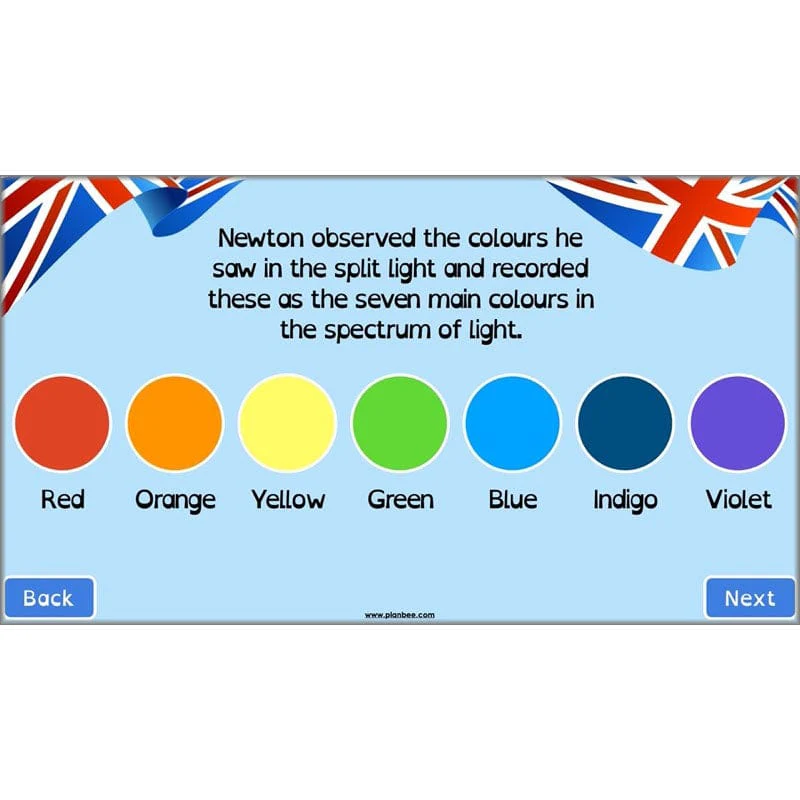
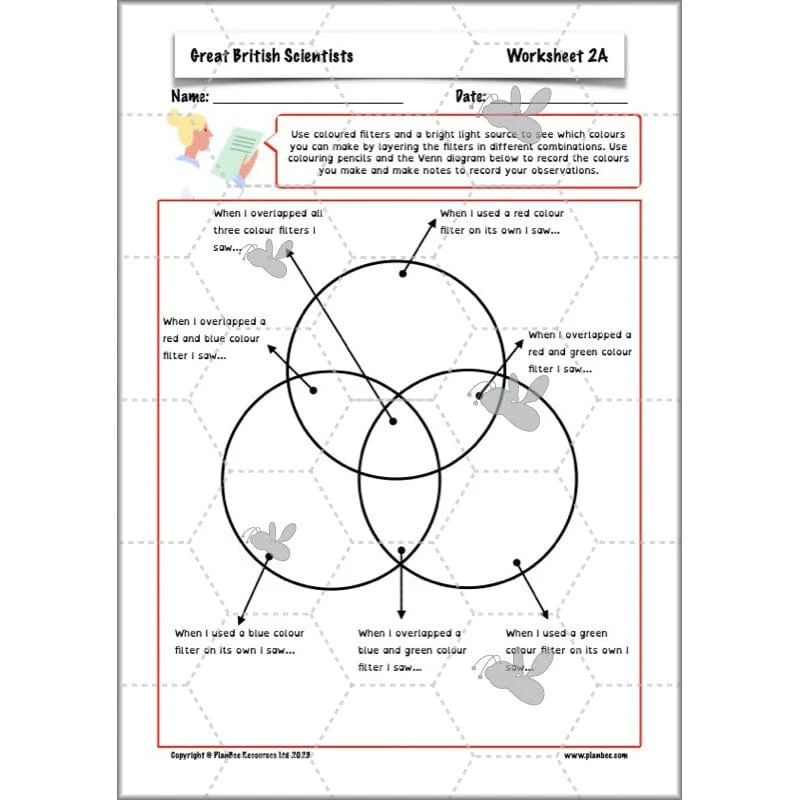
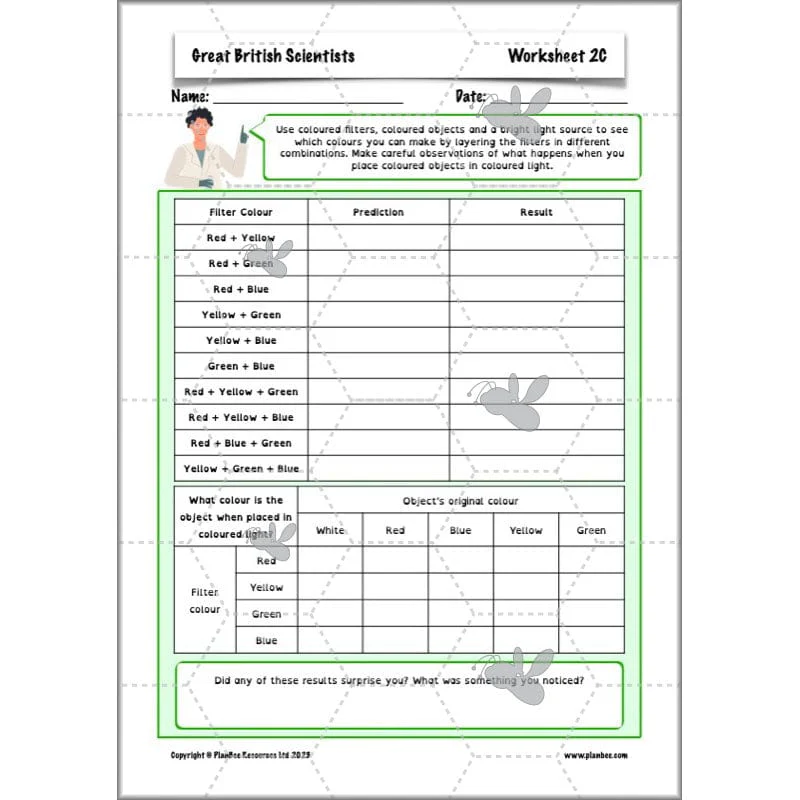
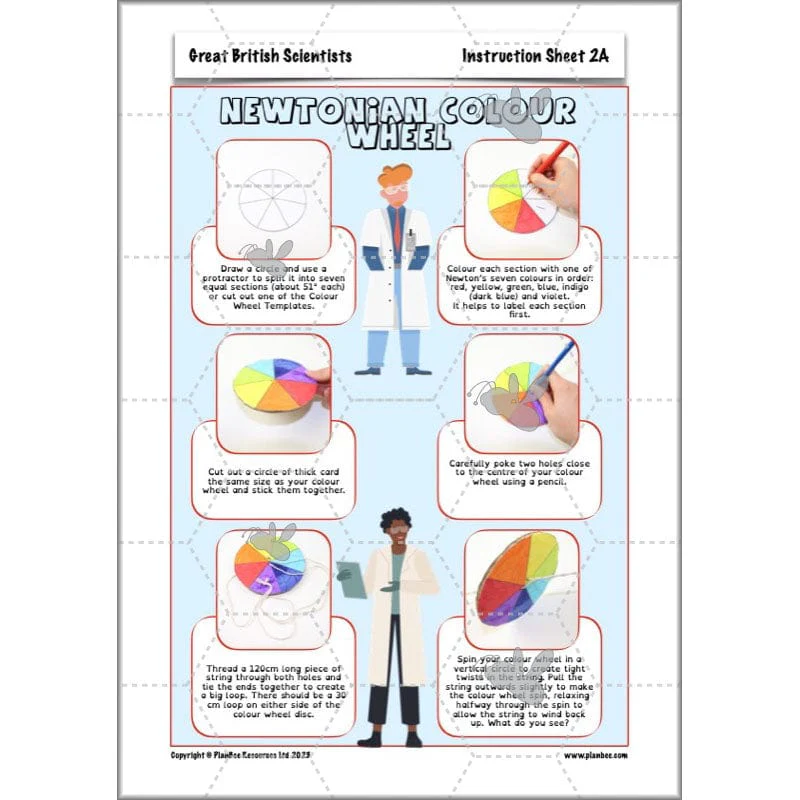
Your class will learn about Isaac Newton and investigate how he used prisms to split light and the colours he found.
During their activities, they will investigate the mixing of coloured light.
What's included:
- Lesson plan
- Slides
- Activity ideas
- Differentiated worksheets
- Worksheet
- Instruction sheet
- Colour wheel template
View Lesson 2
Hawking, Black Holes & Gravity
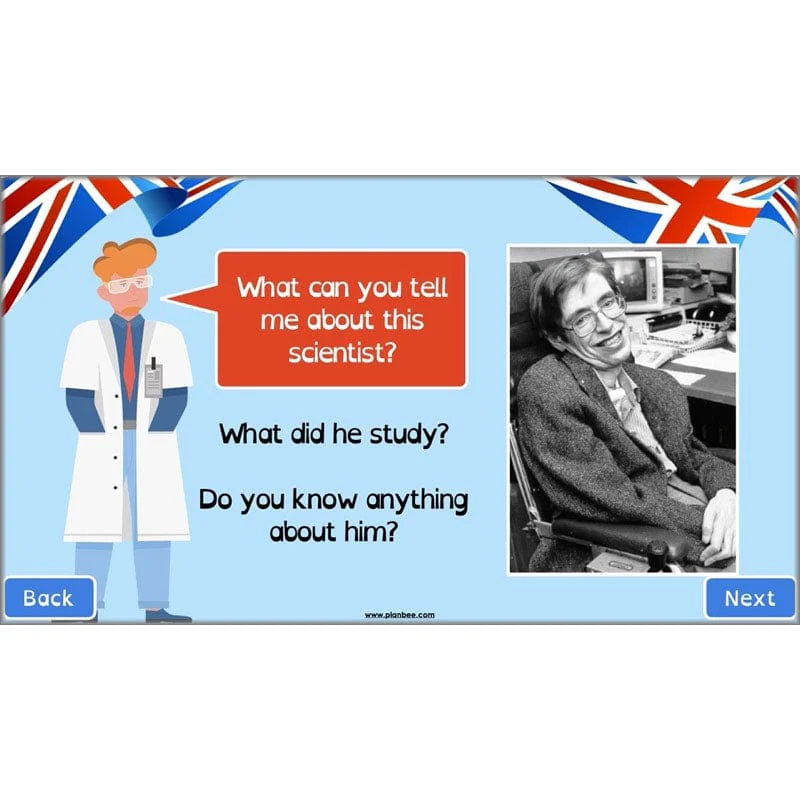
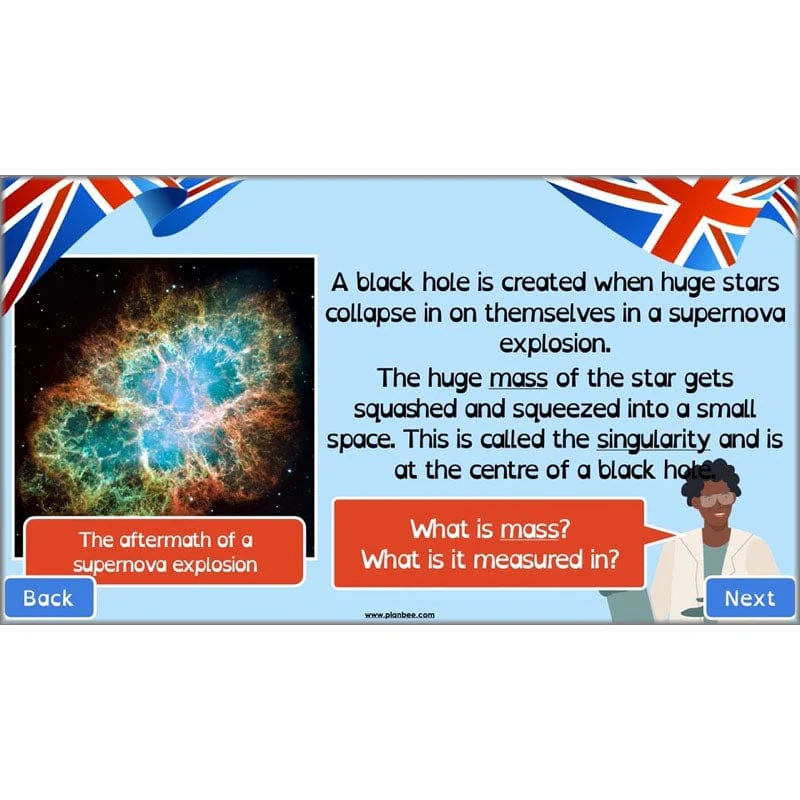
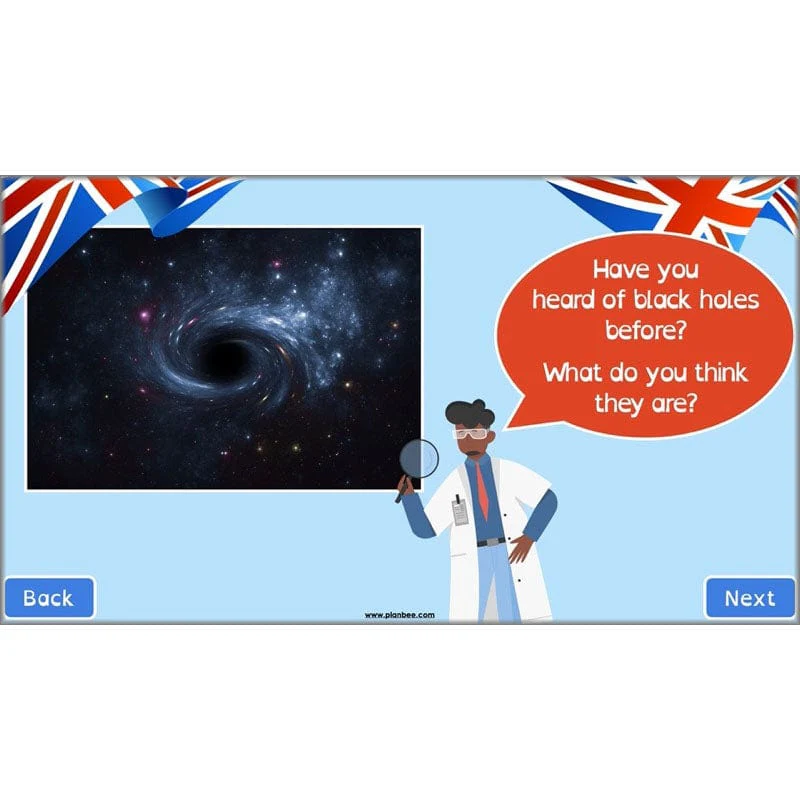
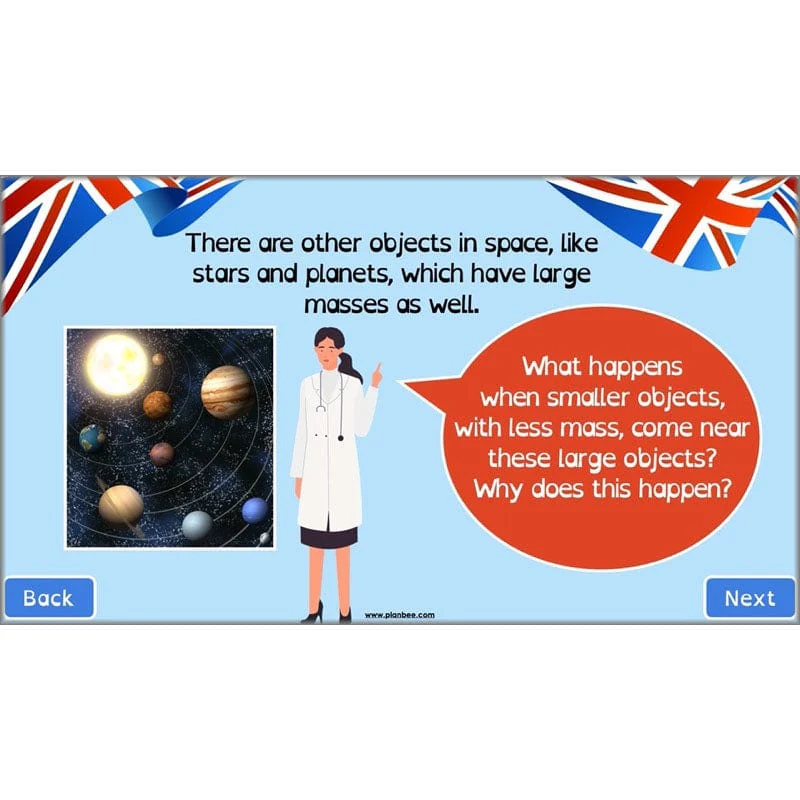
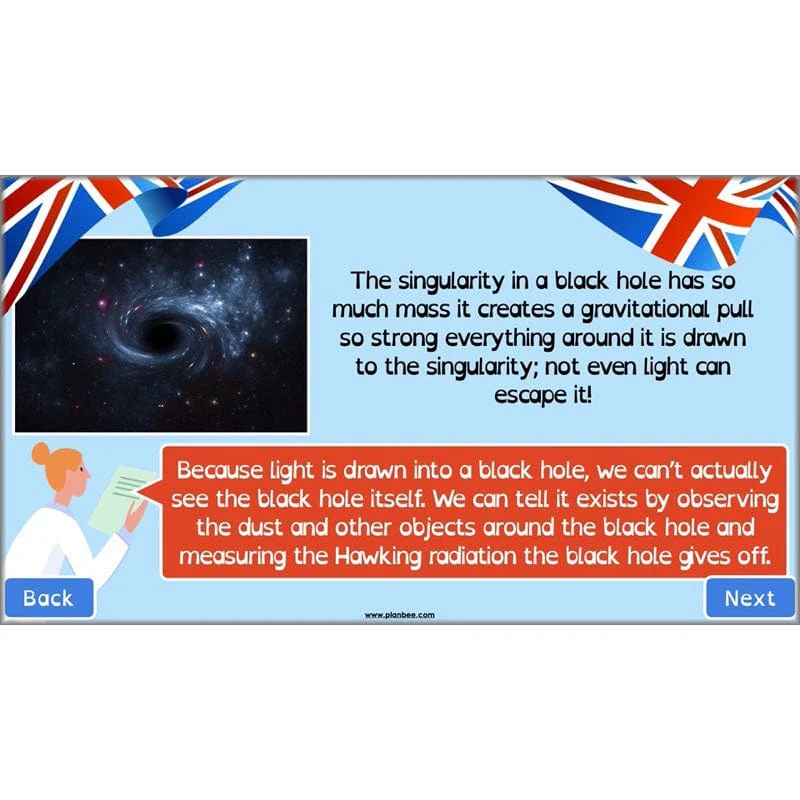
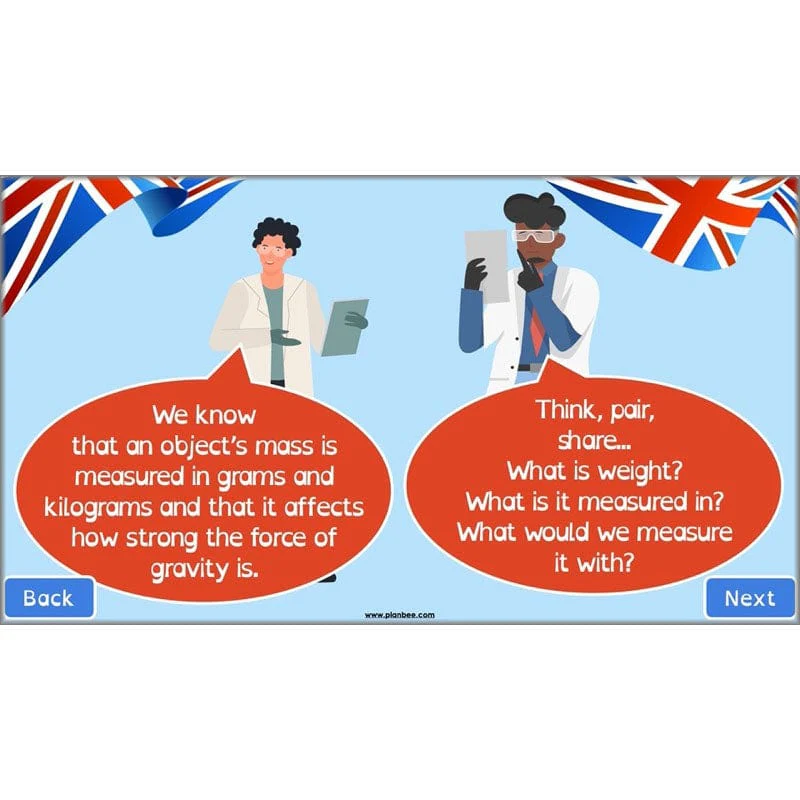
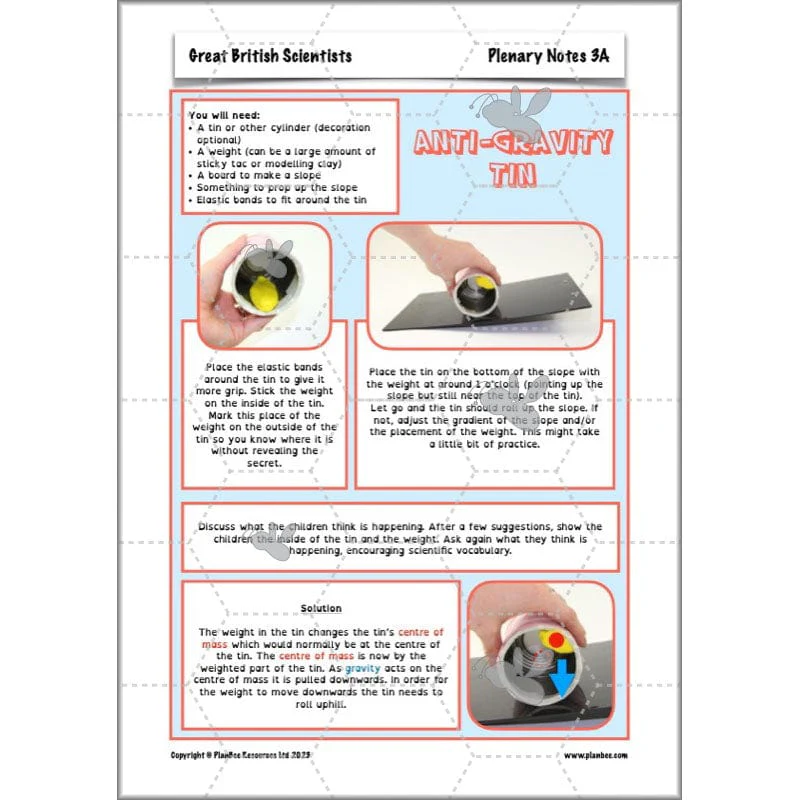
Explore Stephen Hawking’s work on black holes and investigate the relationship between mass, weight and gravity.
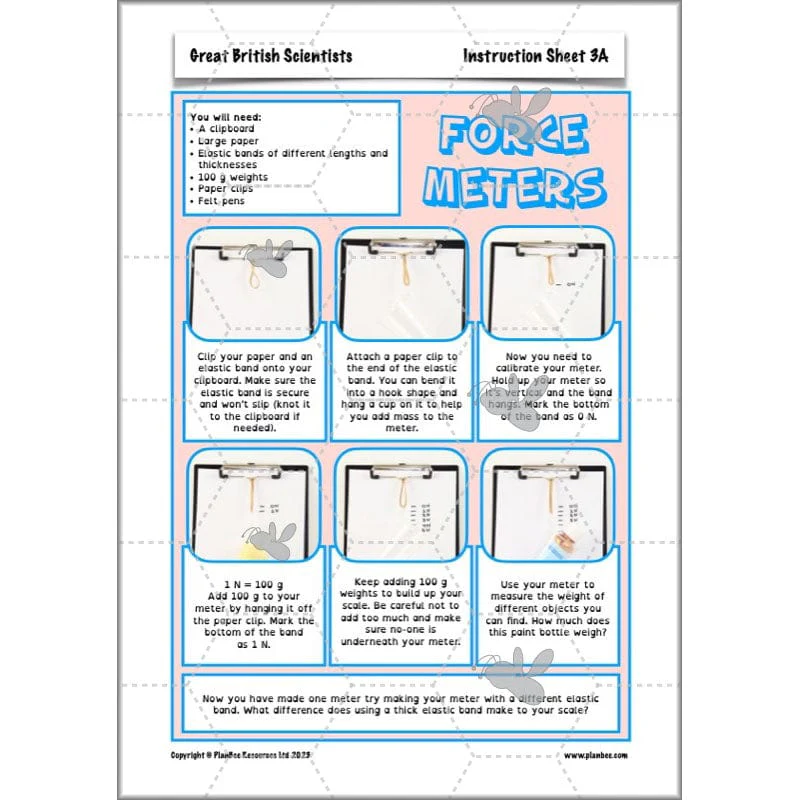
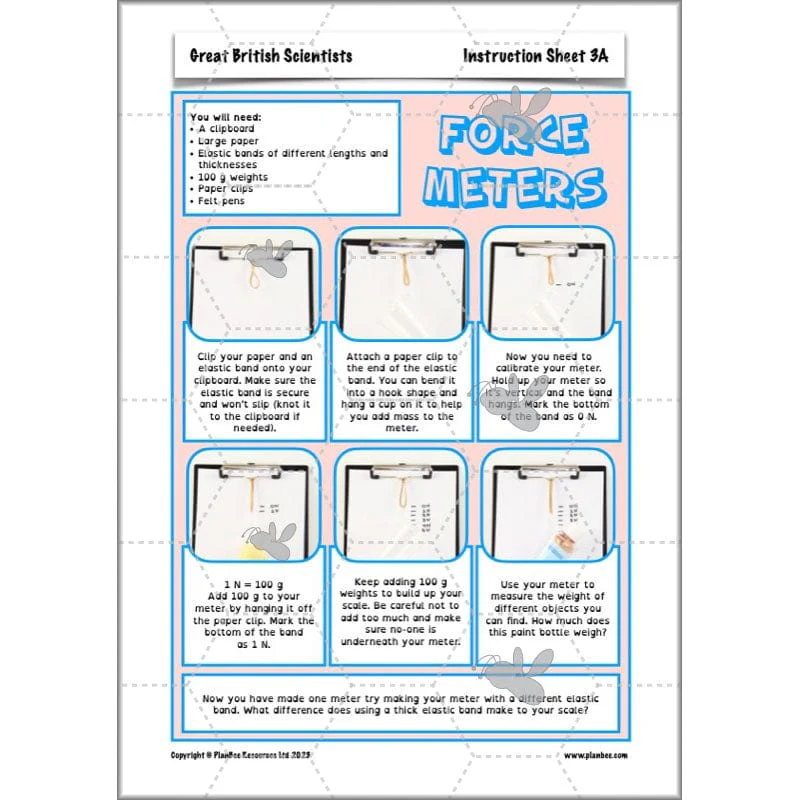
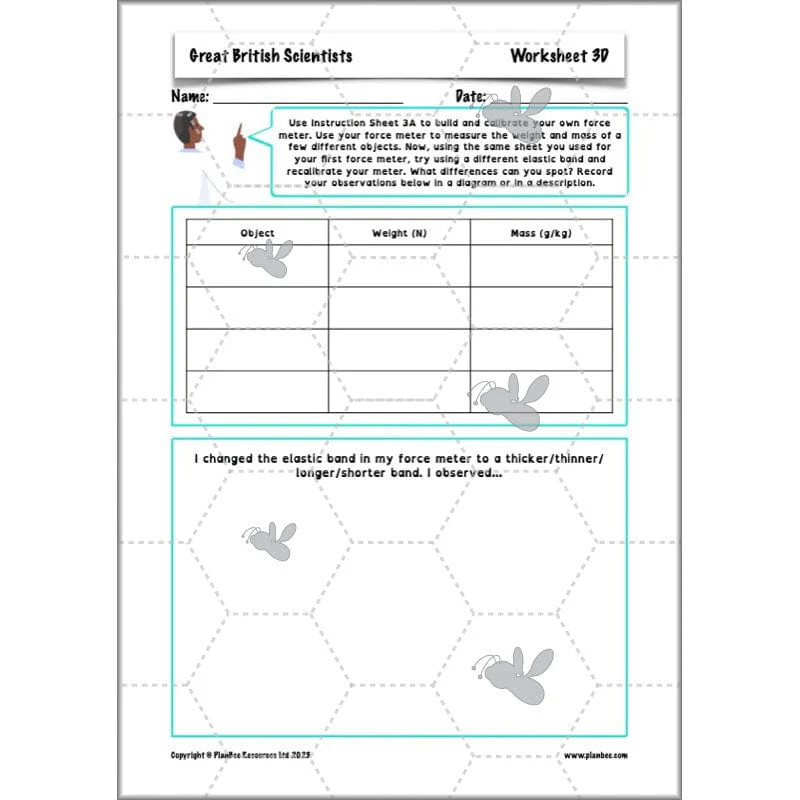
The children will focus on the gravitational pull of the black holes and use this concept to learn about weight, gravity and mass. They will use force meters to explore the relationship between weight and mass on Earth or alternatively they can build and calibrate their own force meter.
What's included:
- Lesson plan
- Slides
- Activity ideas
- Differentiated worksheets
- Graph paper
- Plenary notes
- Instruction sheet
View Lesson 3
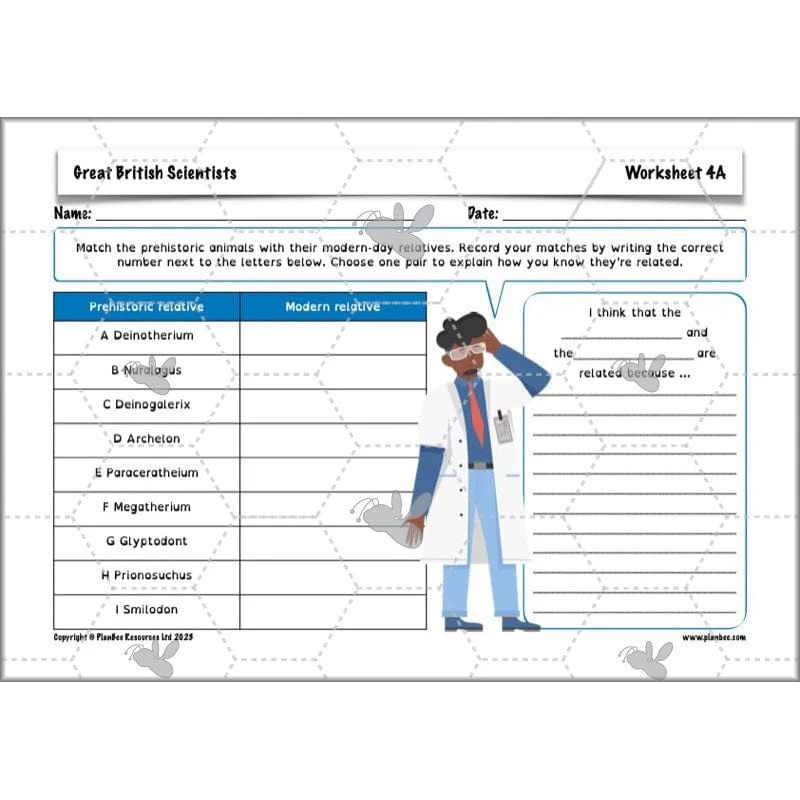
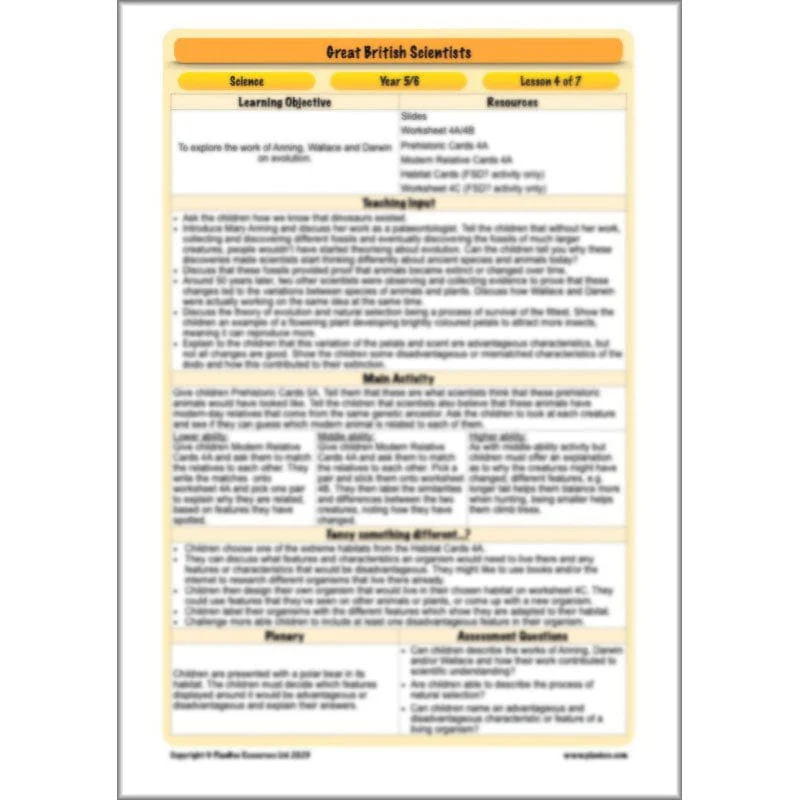
Anning, Wallace and Darwin's Evolution
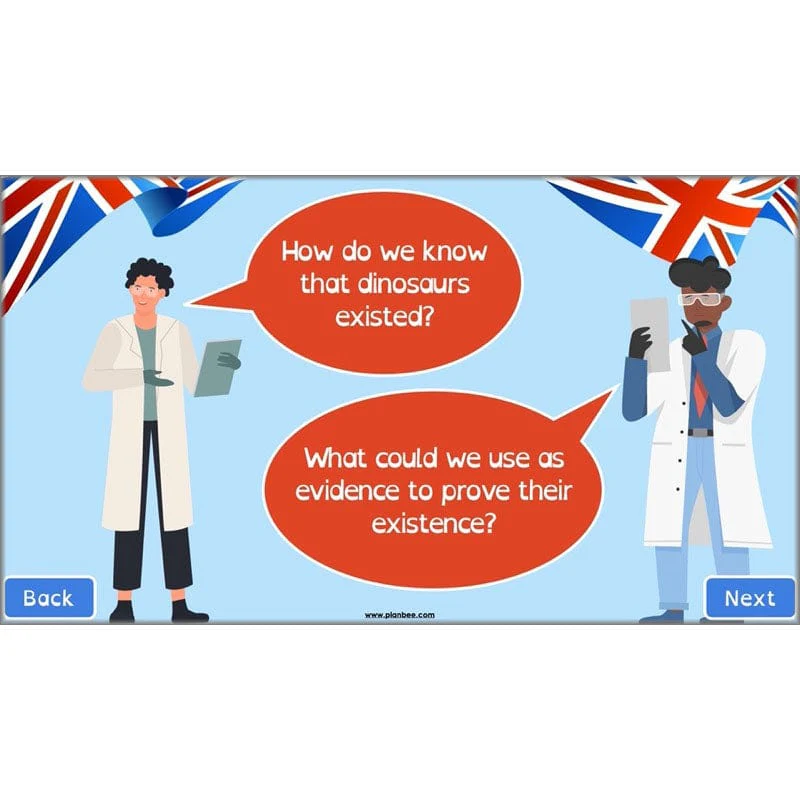
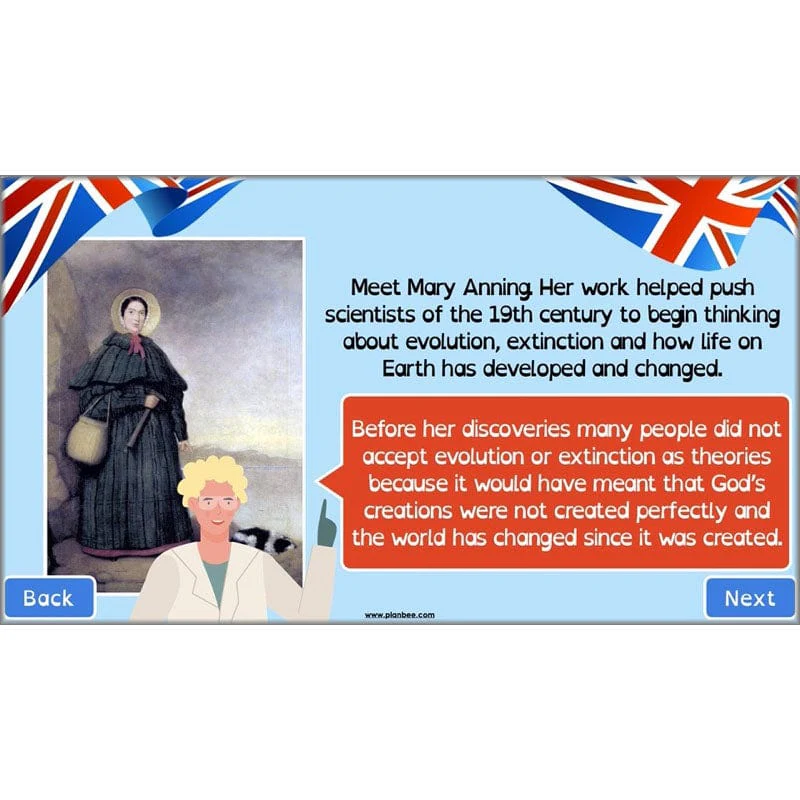
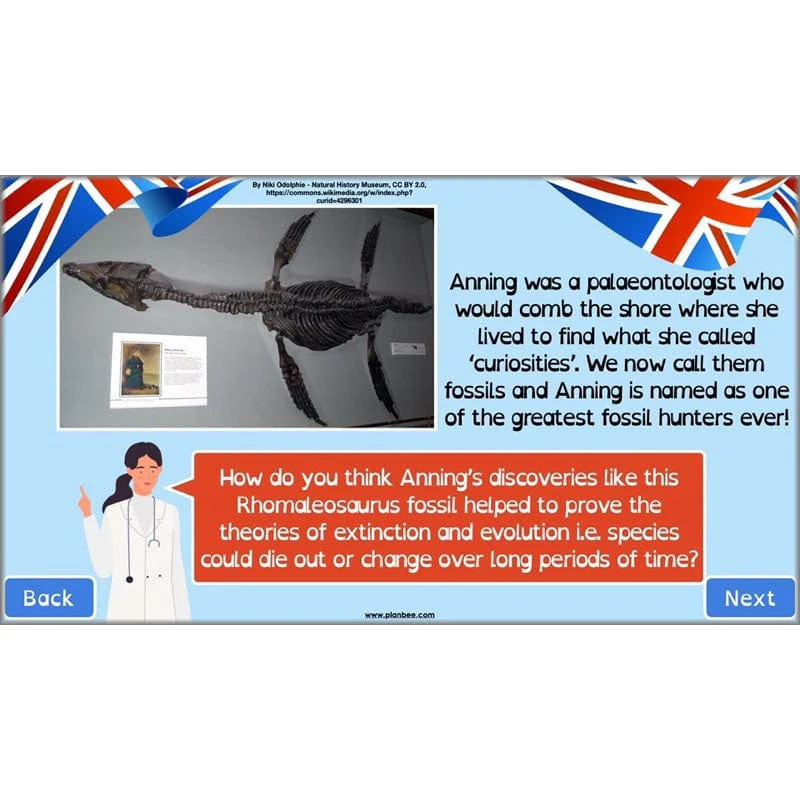
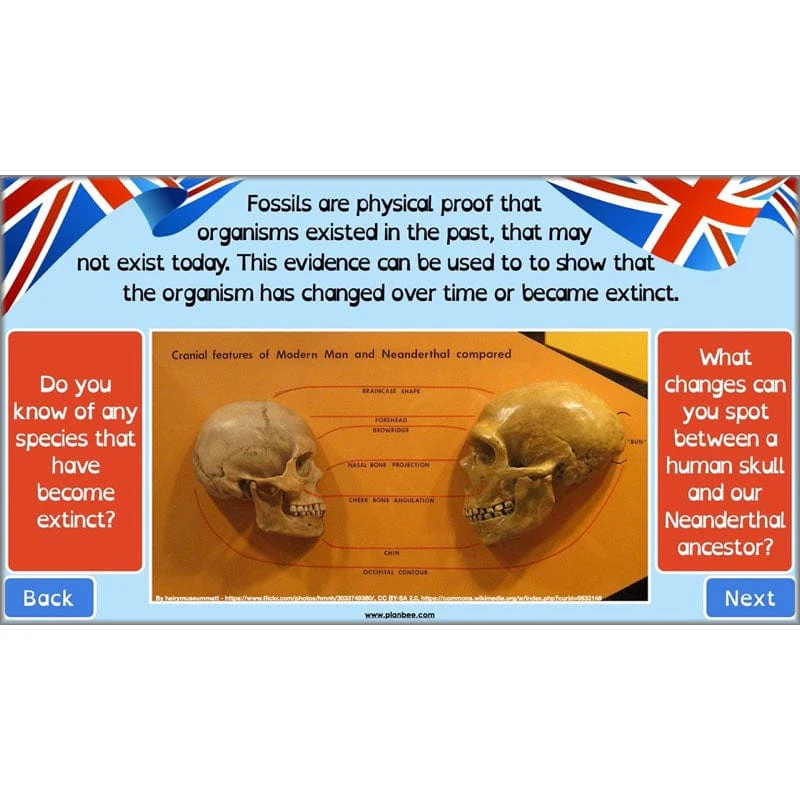
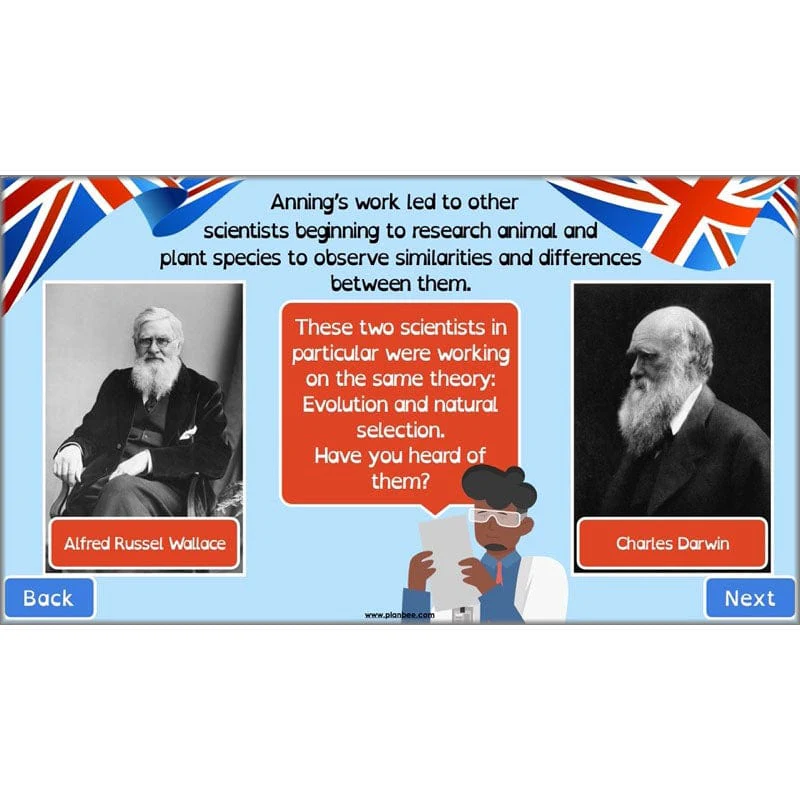
Discover the studies of Anning, Wallace and Darwin and how they influenced the scientific theory of evolution and natural selection.
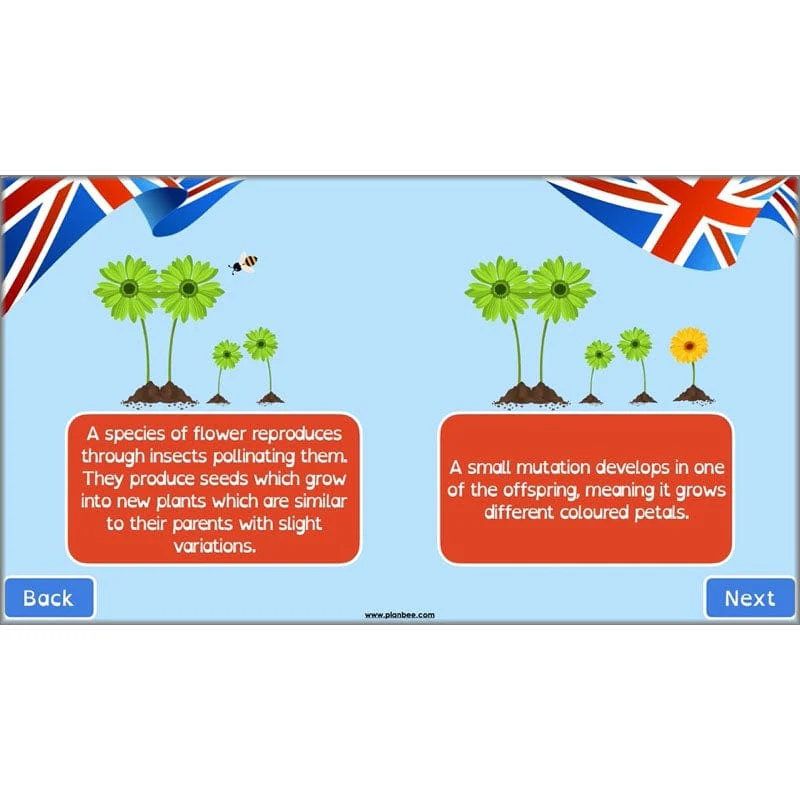
Your class will be encouraged to think carefully about how the scientists contributed to scientific discovery in this area. They will explore the process of natural selection and how this has led to changes and variations in different species because of advantageous traits.
What's included:
- Lesson plan
- Slides
- Activity ideas
- Differentiated worksheets
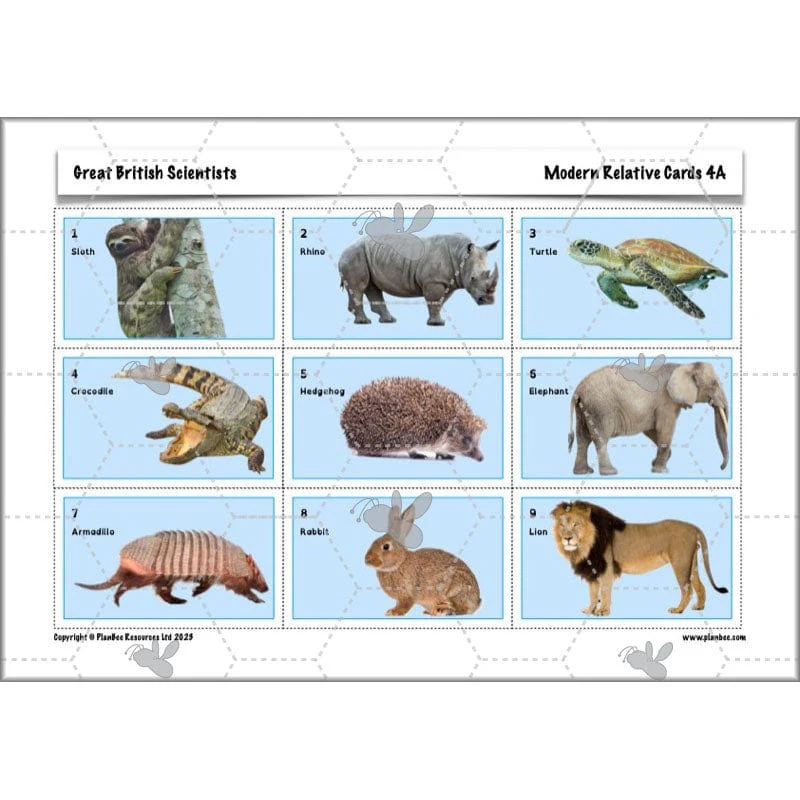
- Modern relative cards
- Prehistoric cards
- Habitat cards
View Lesson 4
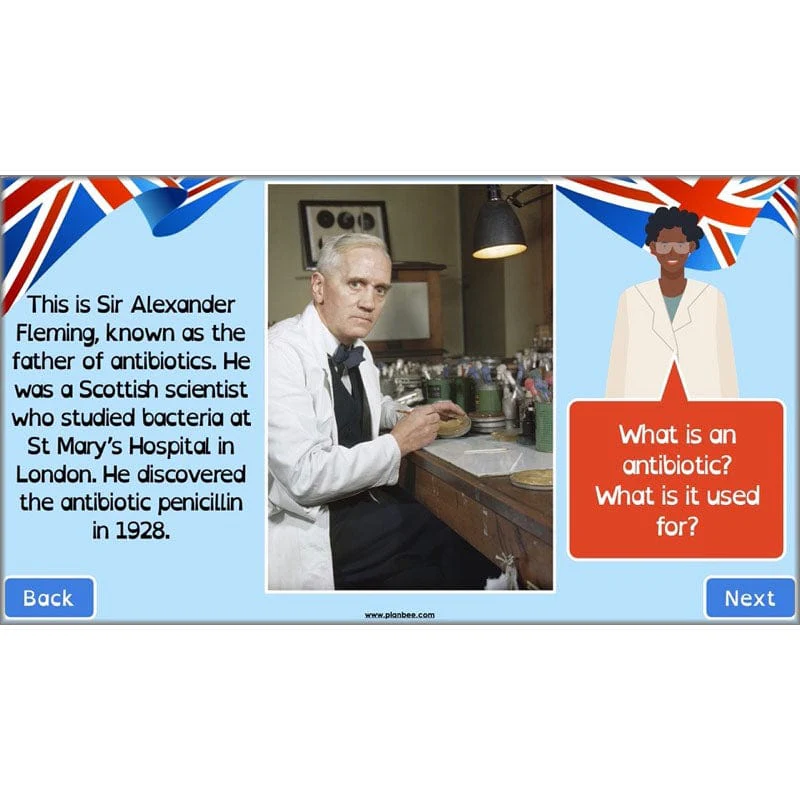
Fleming's Antibiotics
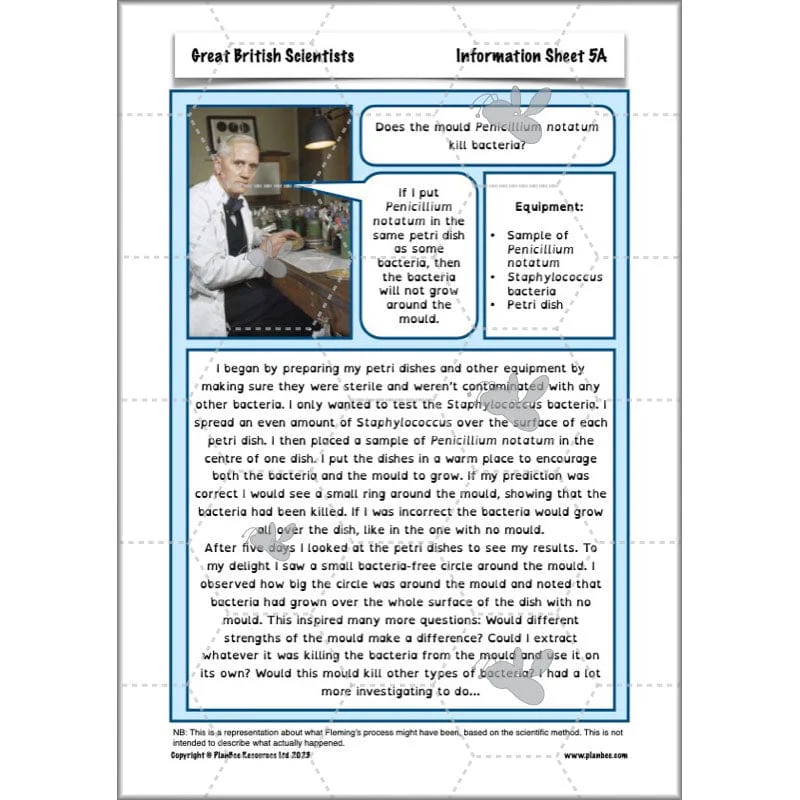
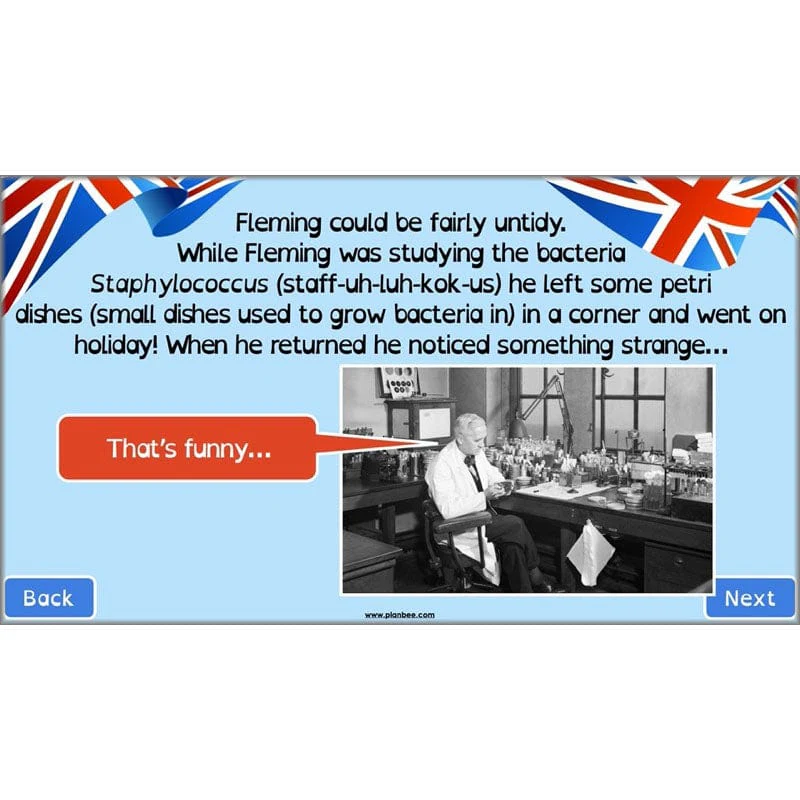
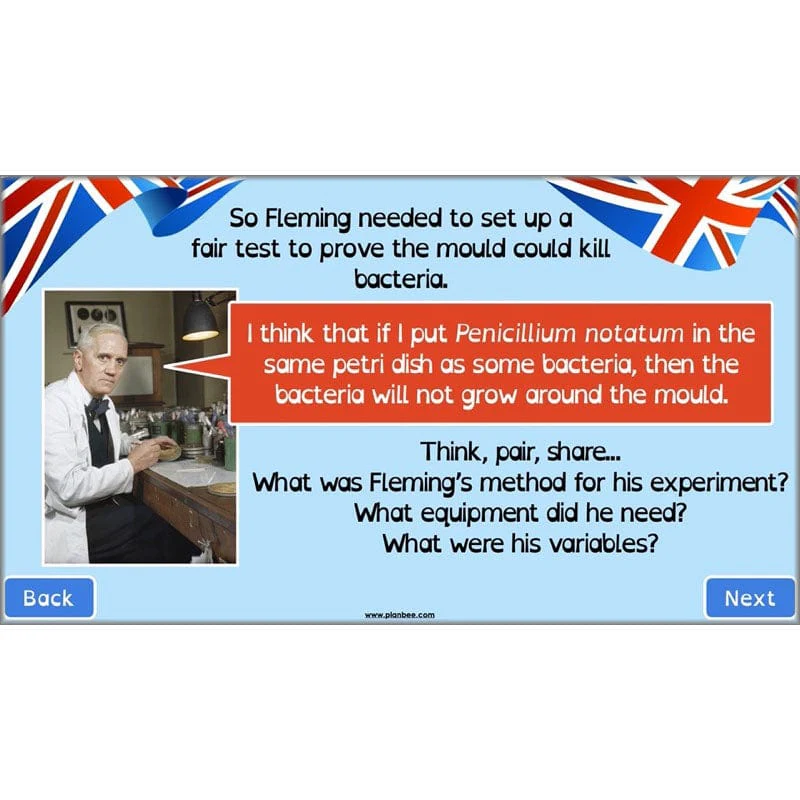
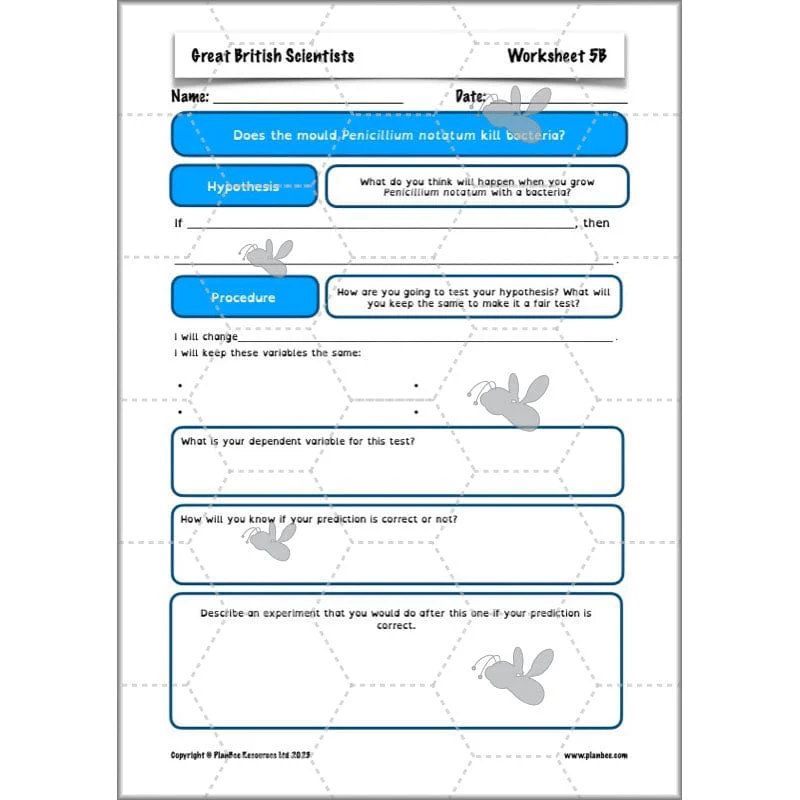
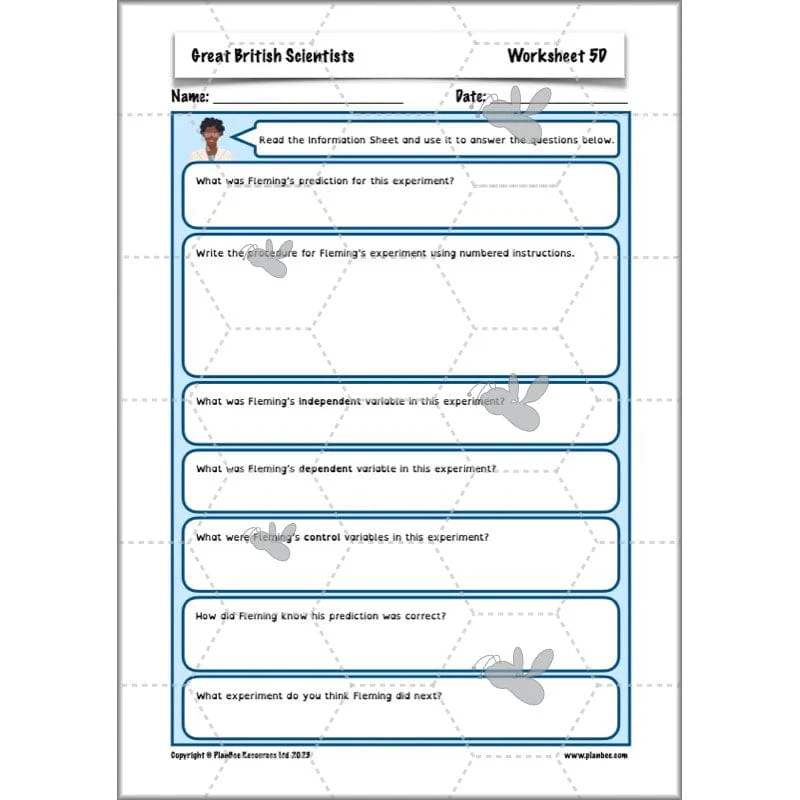
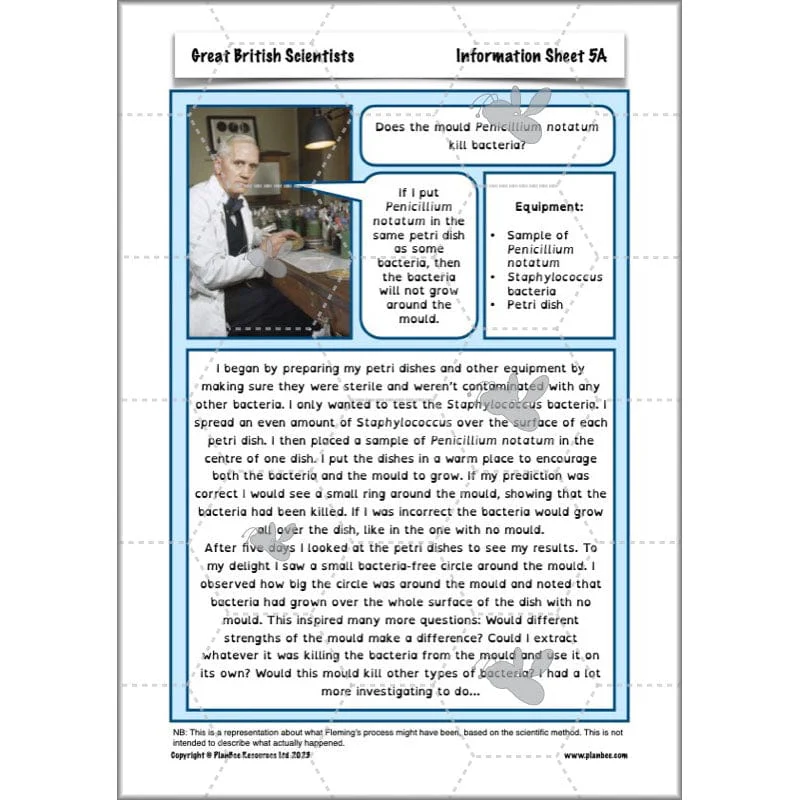
Challenge your class to take on the role of Fleming as he plans an experiment to test his theory that mould can kill bacteria.
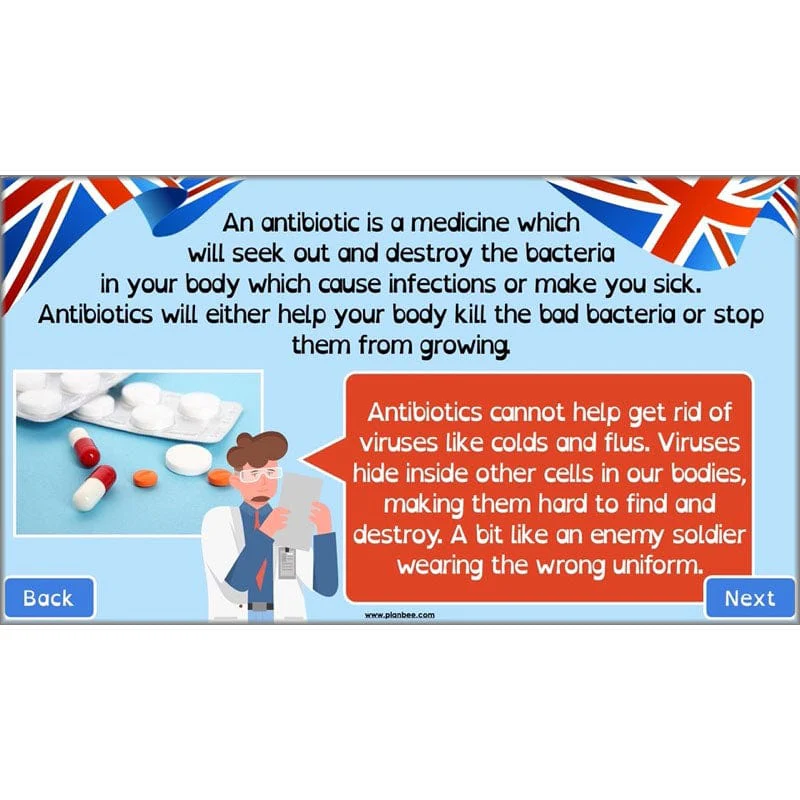
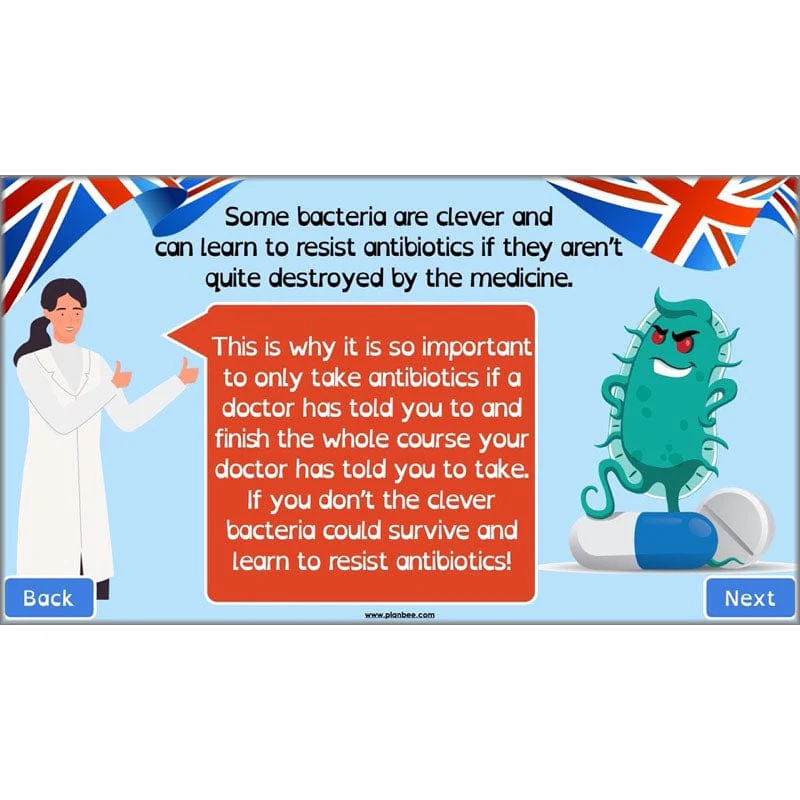
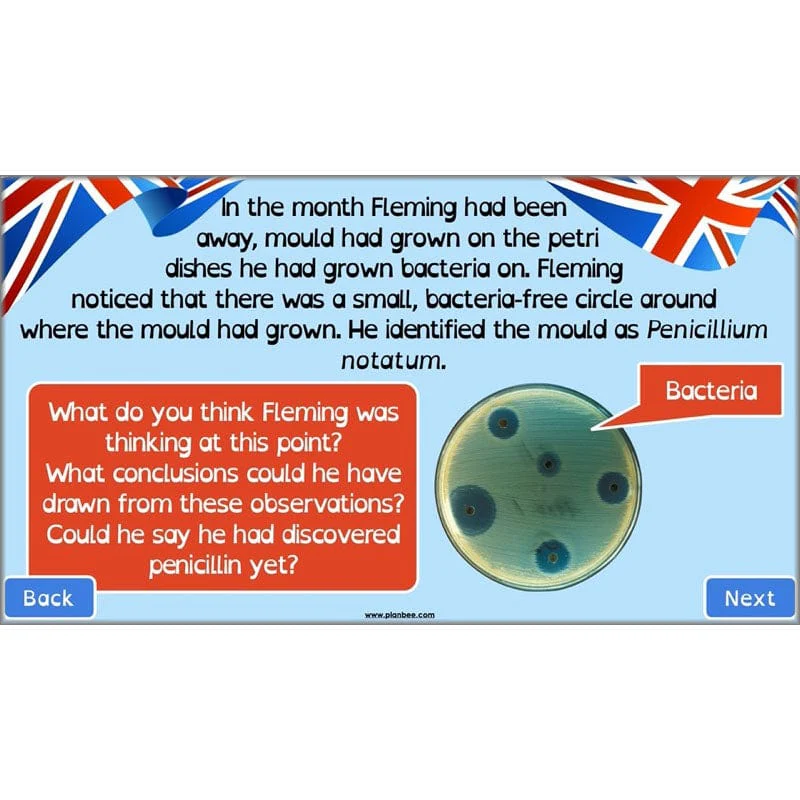
Your class will explore what antibiotics do and discuss why this was such an important discovery. The children then take on the role of Fleming and plan an experiment to test his theory that mould can kill bacteria.
What's included:
- Lesson plan
- Slides
- Activity ideas
- Differentiated worksheets
- Information sheets
View Lesson 5
Asking Scientific Questions
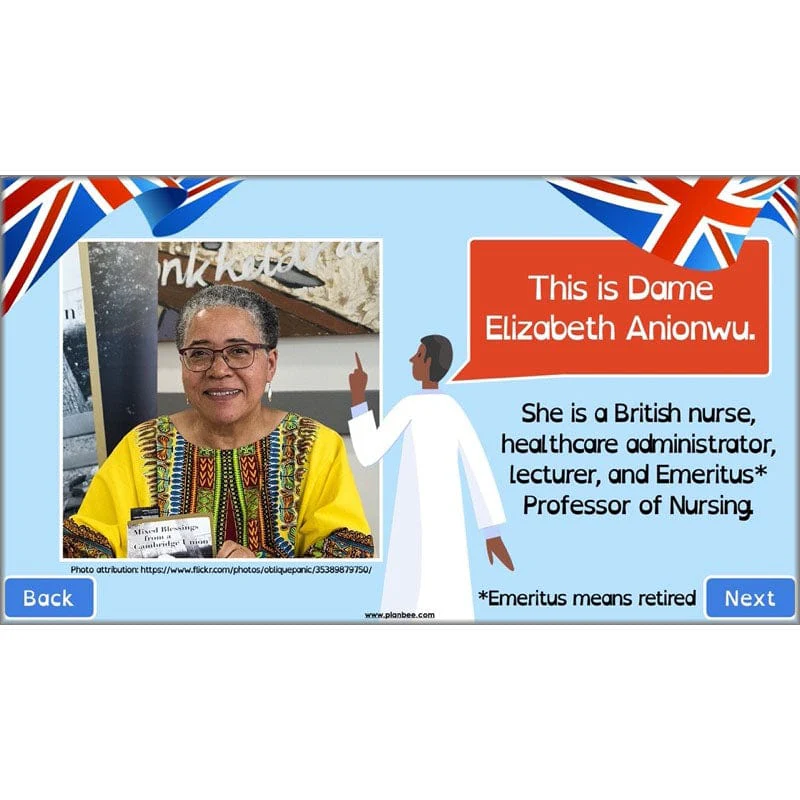
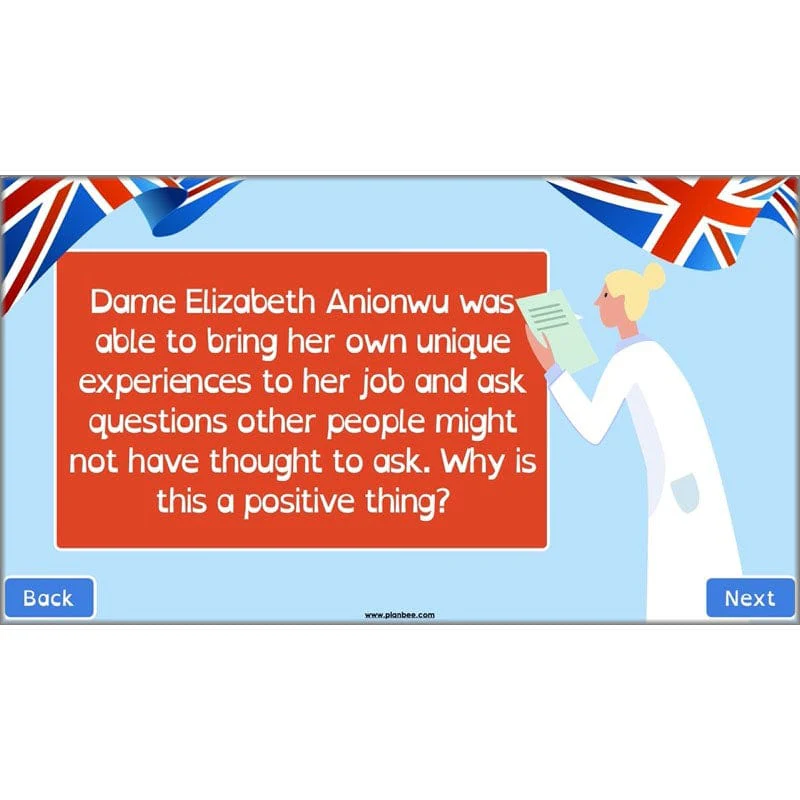
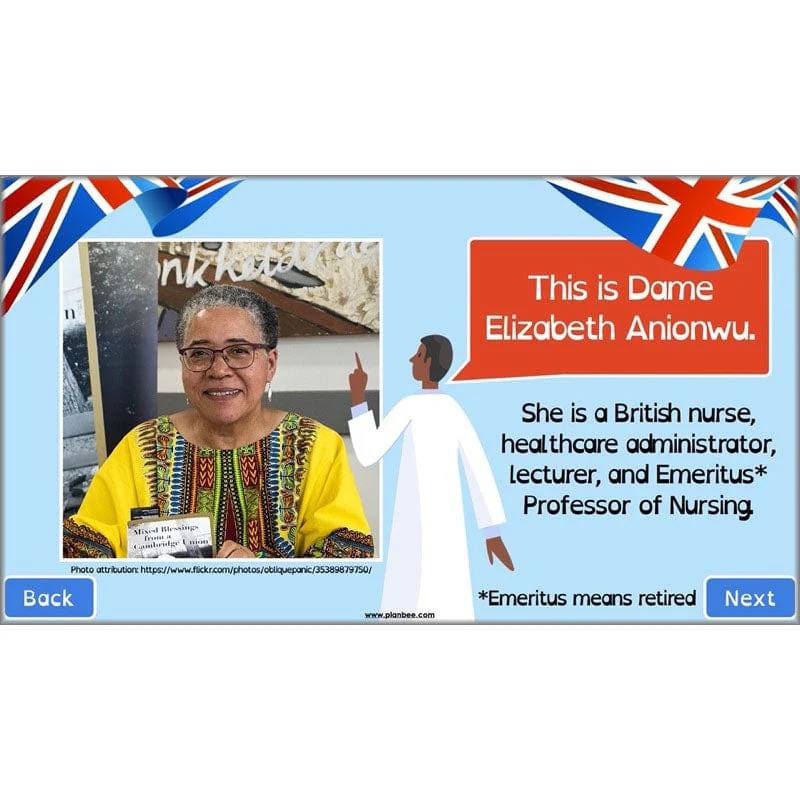
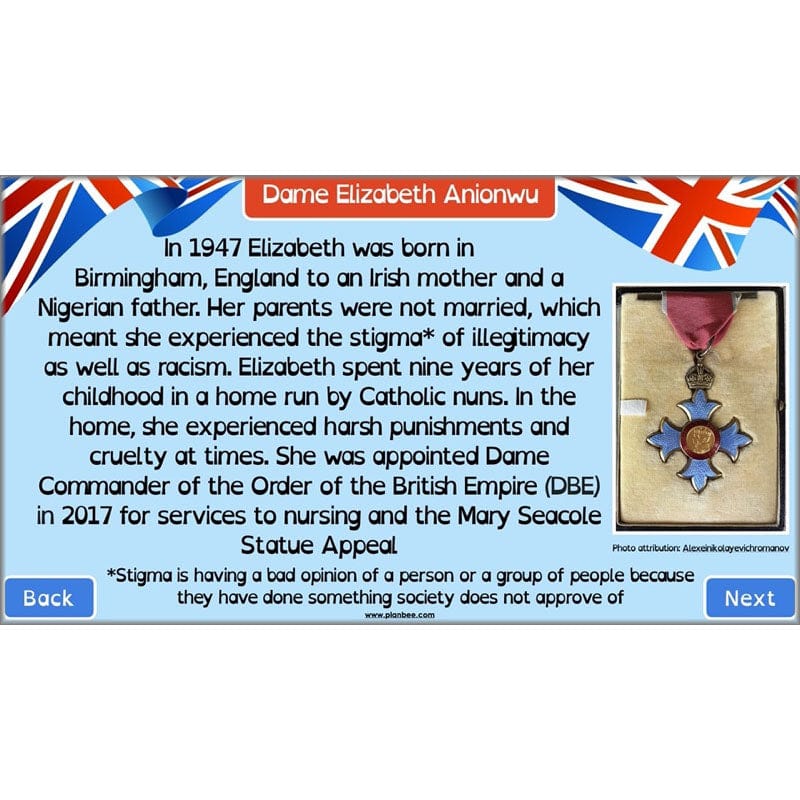
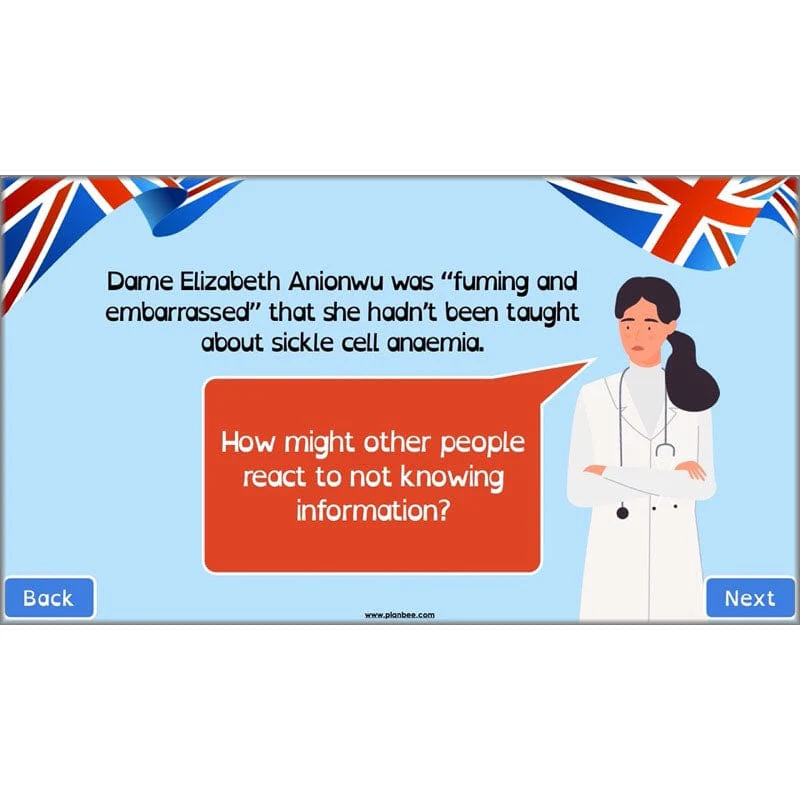
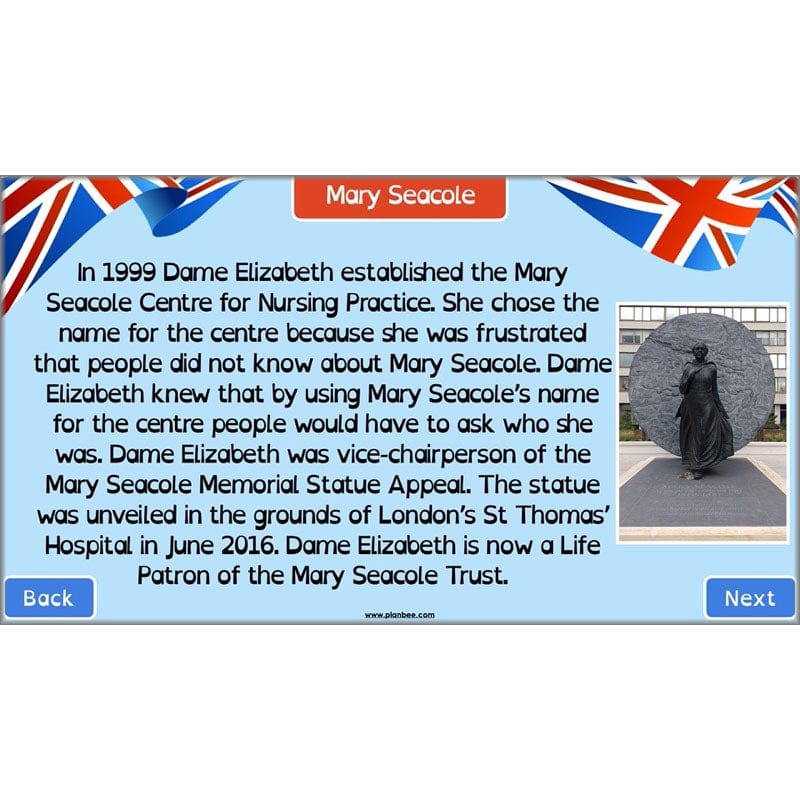
Your class will learn about Dame Elizabeth Anionwu, her life and her achievements. They will think about the impact her questioning had on society and the importance of asking scientific questions.
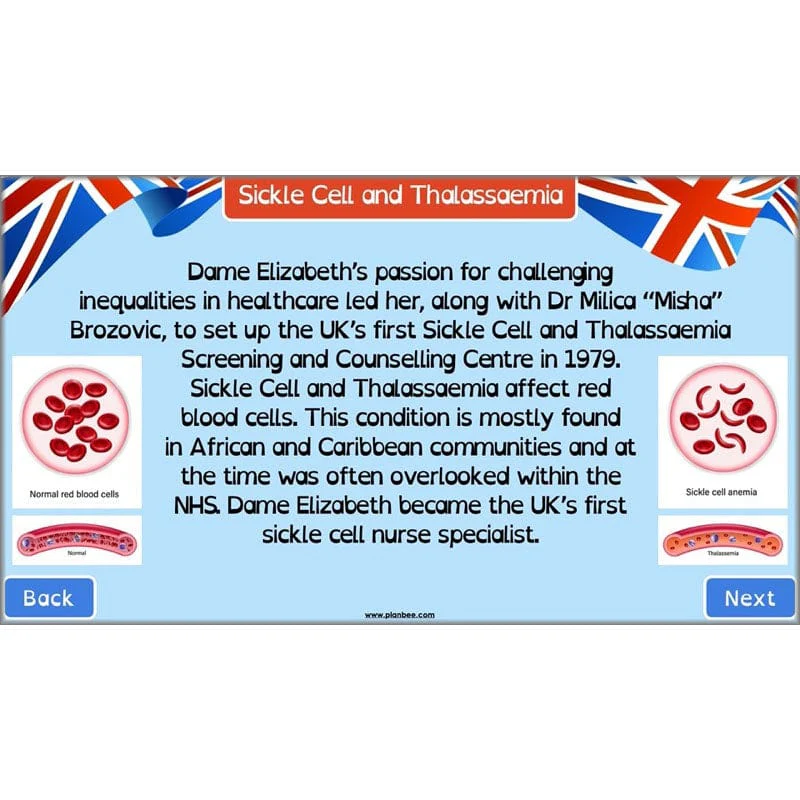
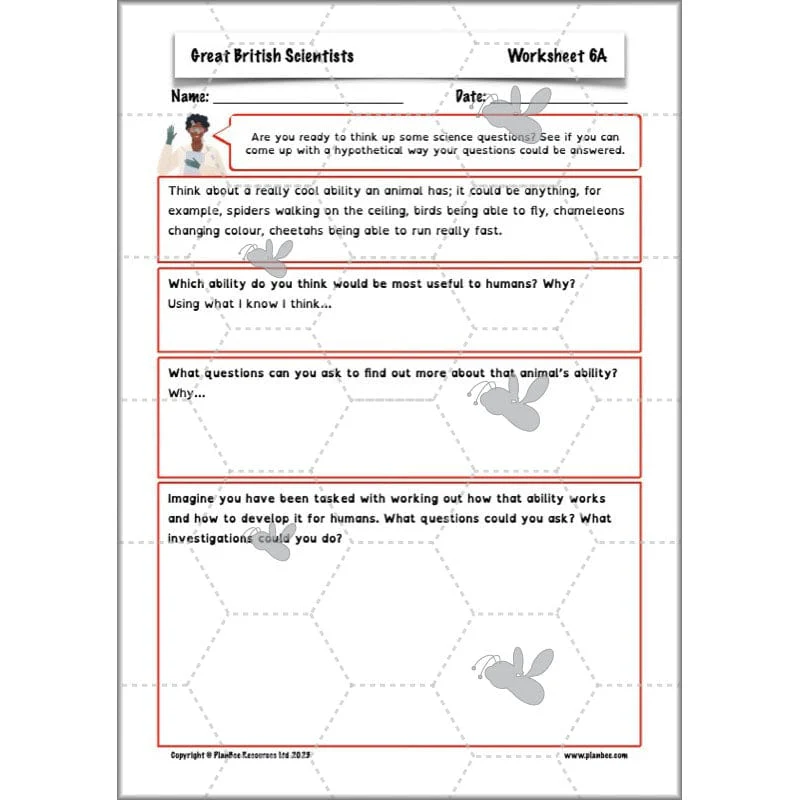
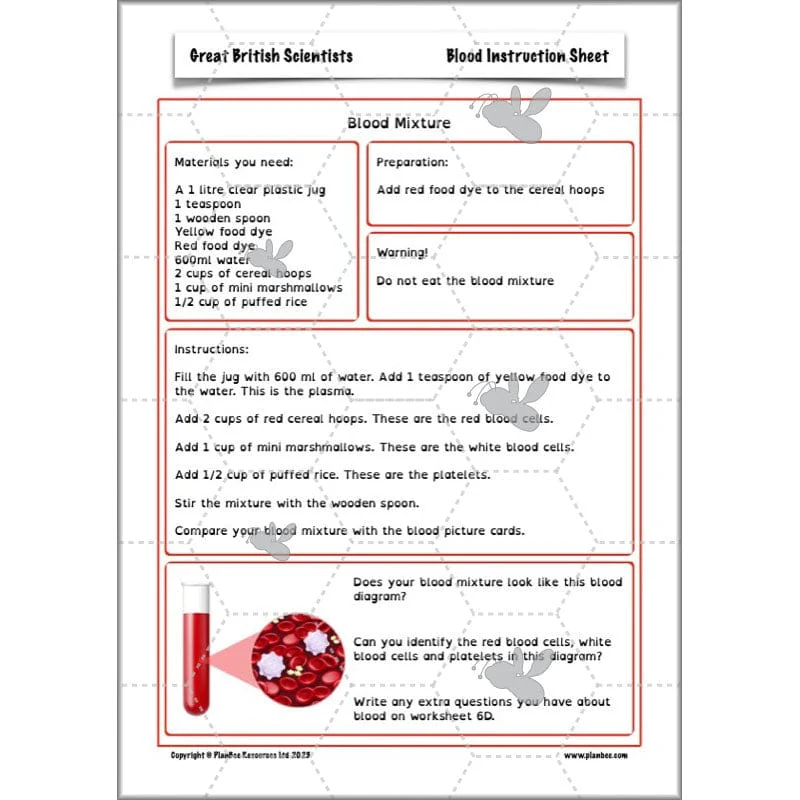
During the activities the children will either ask questions to solve a hypothetical problem, or they will make a blood model and ask questions about blood.
What's included:
- Lesson plan
- Slides
- Activity ideas
- Differentiated worksheets
- Blood Instruction Sheets
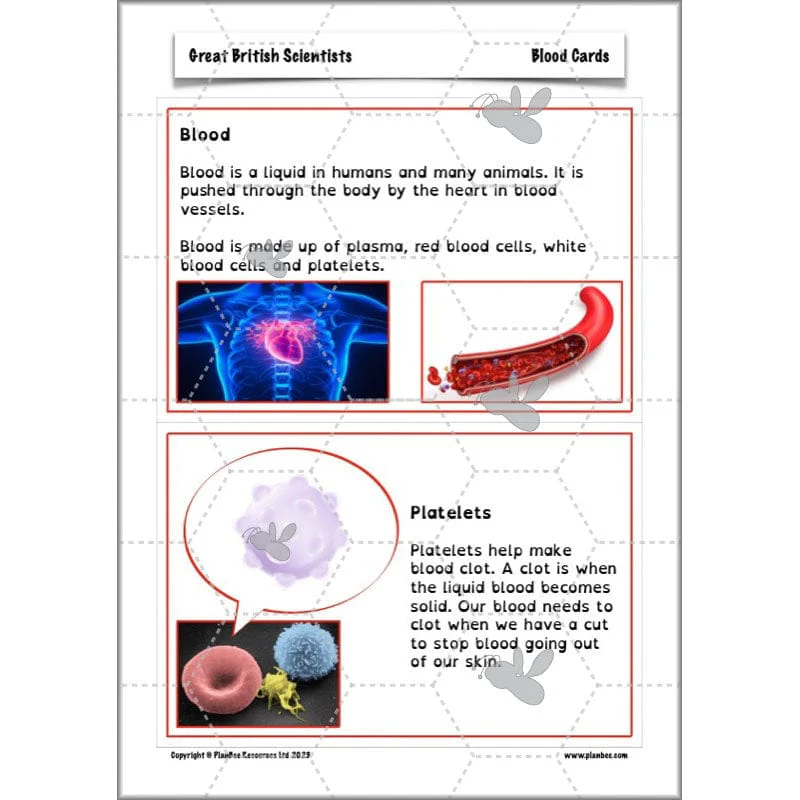
- Blood
View Lesson 6
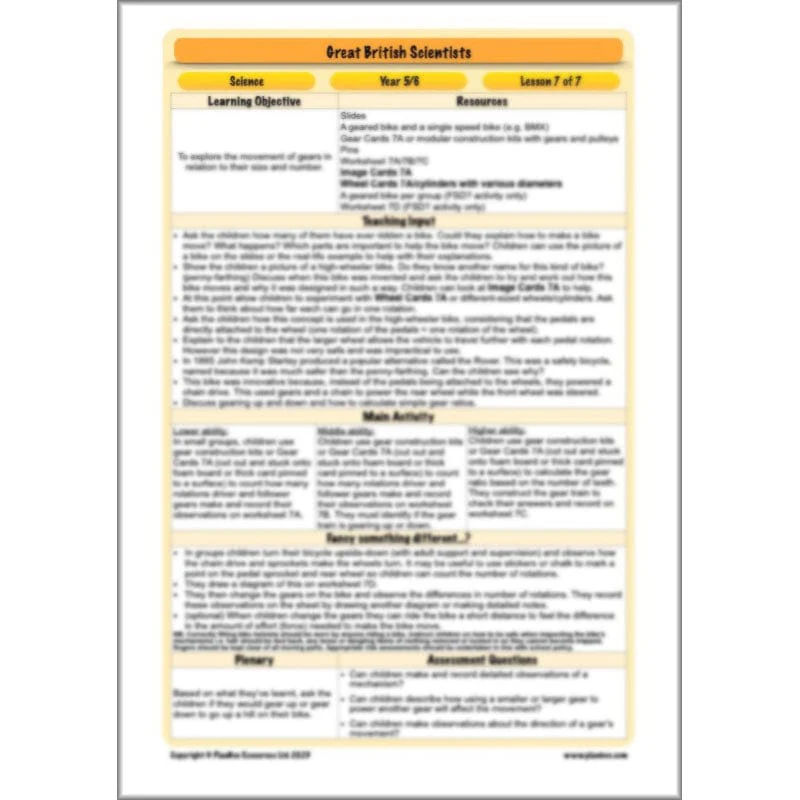
Kemp Starley's Cogs and Gears
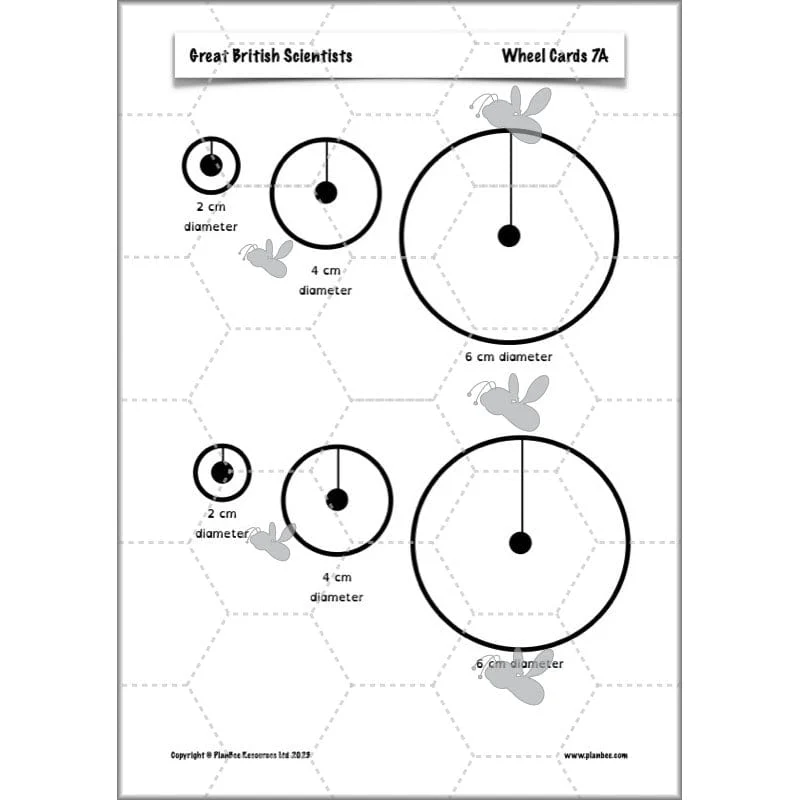
Challenge your class to calculate gear ratio and use gears to gear up or down.
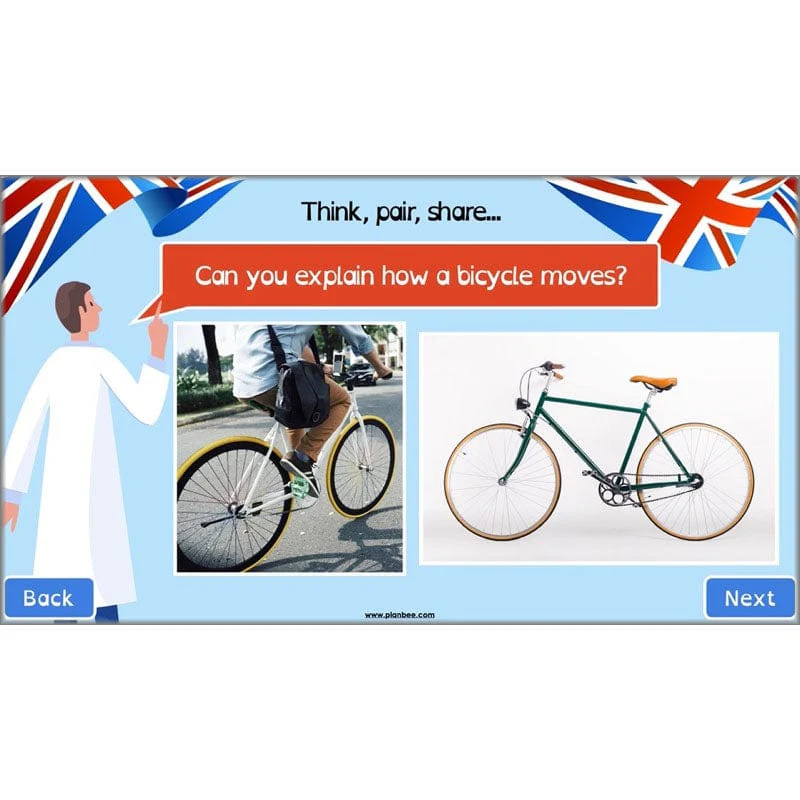
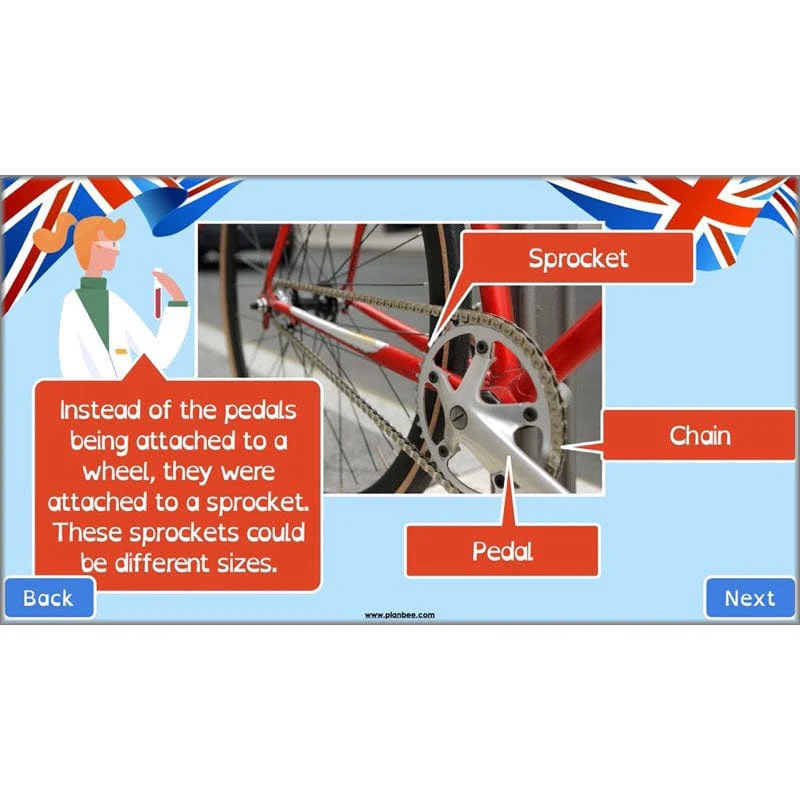
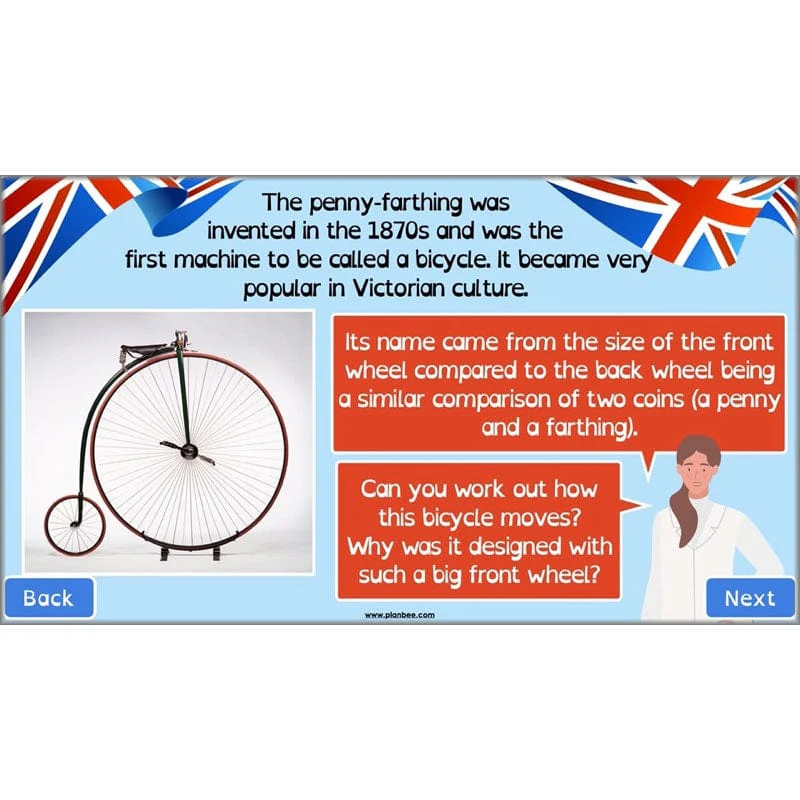
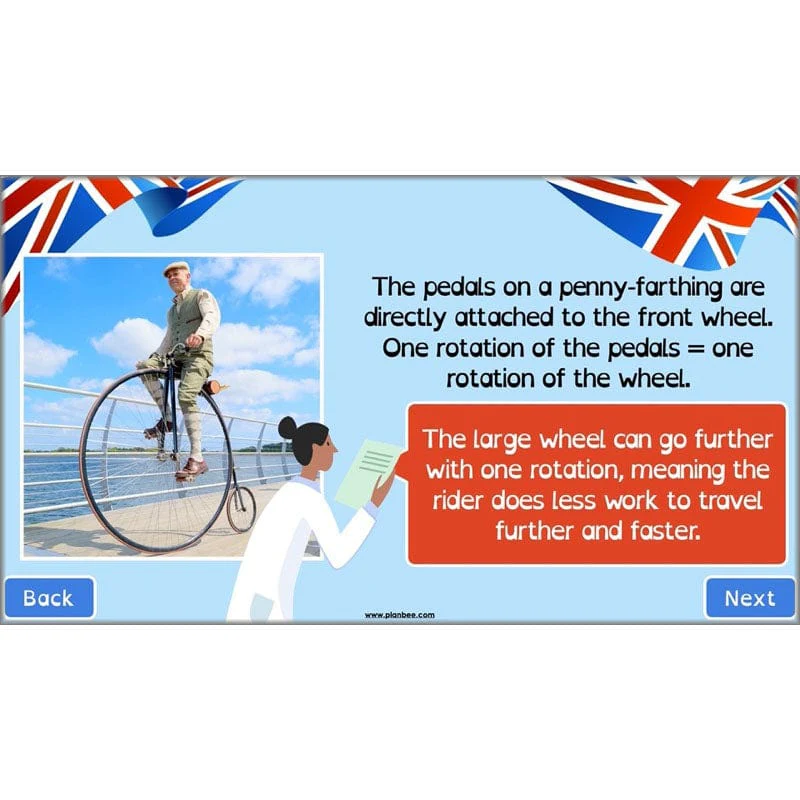
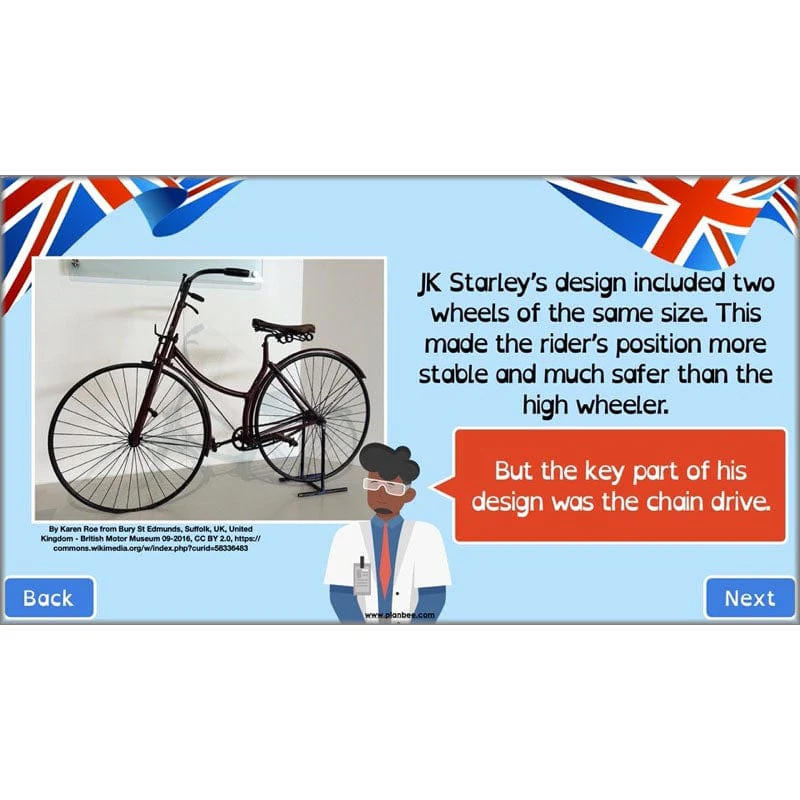
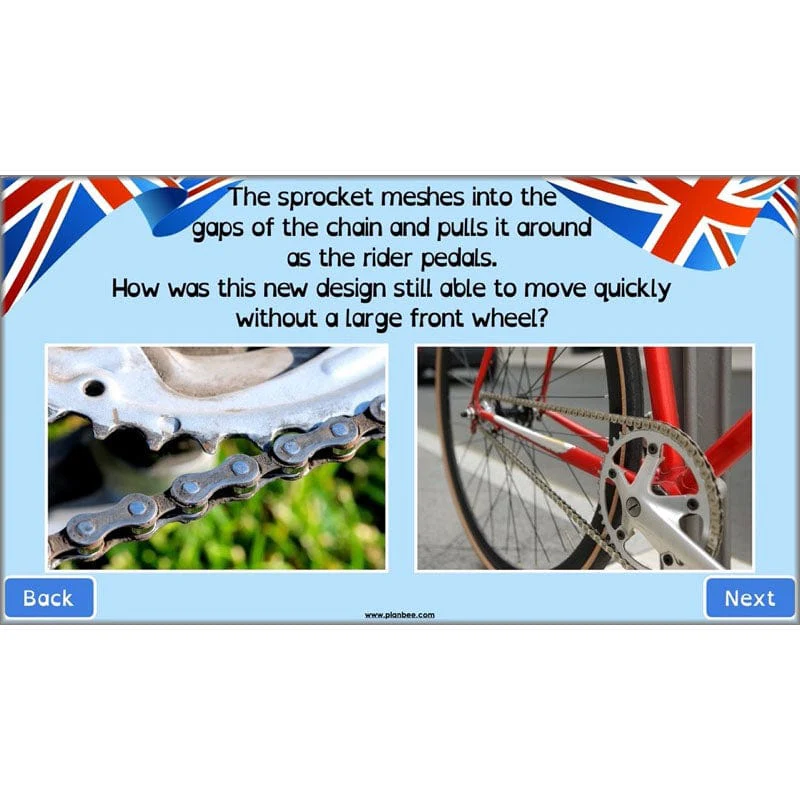
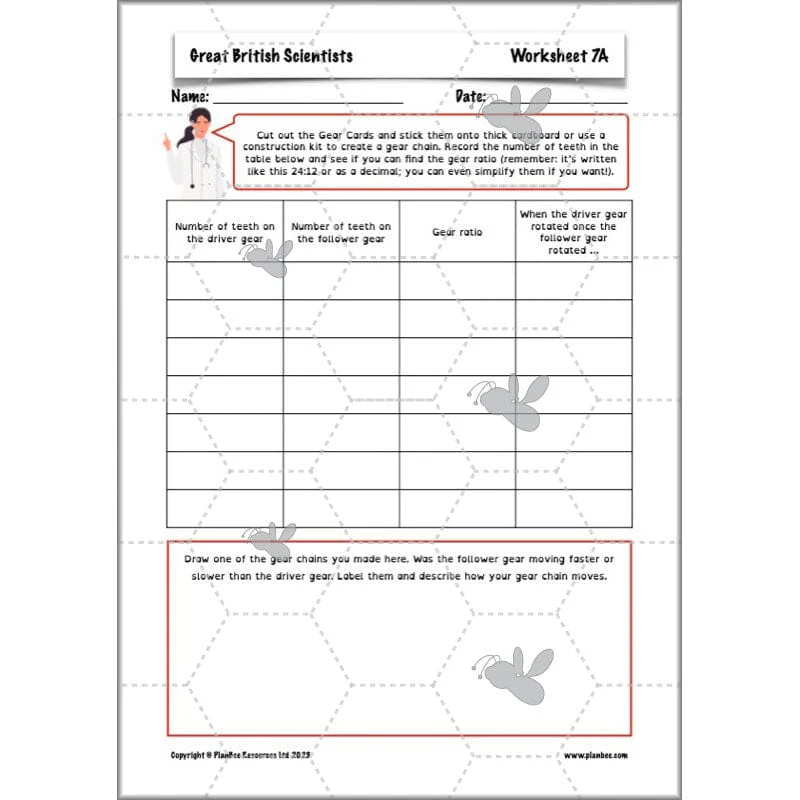
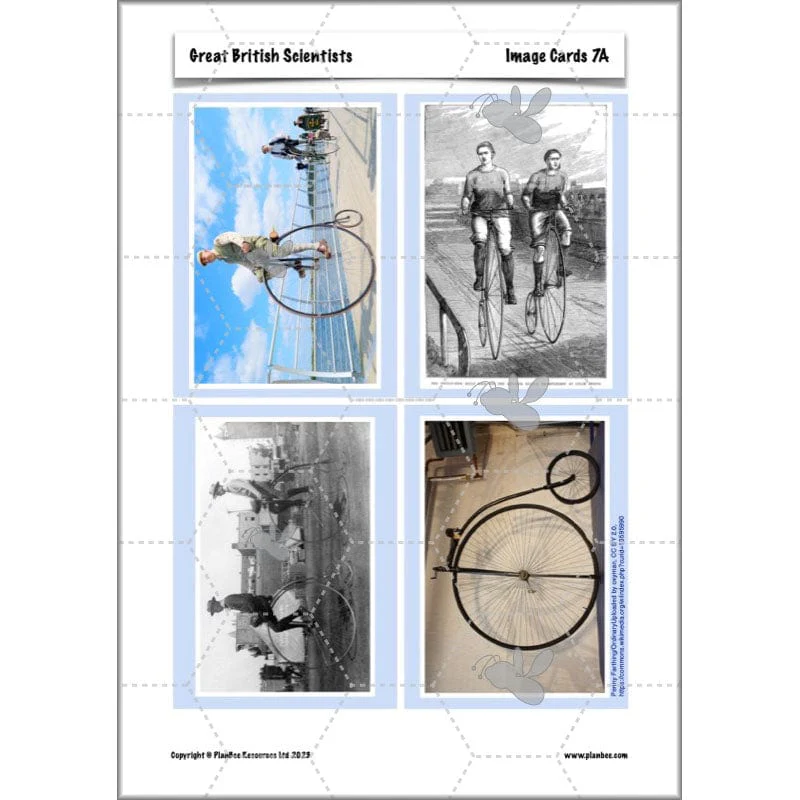
Your class will investigate how gears and wheel sizes affect speed and distance travelled. They will explore the design of a penny-farthing and be introduced to the inventor of the Rover safety bicycle: John Kemp Starley. They will observe the changes the size of gears can make and how they work together in a chain drive to make a bike move. The children are challenged to calculate the gear ratios for different gear chains.
What's included:
- Lesson plan
- Slides
- Activity ideas
- Gear cards
- Differentiated worksheets
- Image cards
- Wheel cards
View Lesson 7
Original: $4.65
-65%$4.65
$1.63

Description
Explore the lives of some of the most influential and recognised Great British Scientists in this seven-lesson Science scheme of work for Years 5 and 6. Investigate Newton’s work on the three laws of motion and how he discovered the colour spectrum. Discover black holes with Stephen Hawking and evolution with the help of Anning, Wallace and Darwin.
Inspire your class of scientists to work scientifically in different contexts while developing and applying their skills, all through fully-prepared lessons that provide everything you need, including lesson plans, slides, differentiated activities and a variety of printable resources.
You might also like our Brilliant Britain Topic Bundle – perfect if you're looking for a cross-curricular approach to your teaching.
Representation in Science
Challenge your class to think about representation, privilege and bias in science. Your class will think about why so many famous historical scientists in Britain were white men. They will be encouraged to think about the impact this has had on scientific priorities and the impact representation has had on societal preconceptions of the field of science.
Your class will either learn about a range of scientists or they will examine how well-represented different communities are in their science non-fiction books.
What's included:
- Lesson plan
- Slides
- Activity ideas
- Differentiated worksheets
- Fact Sheets
- UK Diversity Fact Cards
- Teacher Notes
View Lesson 1
Newton, Colour and Light
Your class will learn about Isaac Newton and investigate how he used prisms to split light and the colours he found.
During their activities, they will investigate the mixing of coloured light.
What's included:
- Lesson plan
- Slides
- Activity ideas
- Differentiated worksheets
- Worksheet
- Instruction sheet
- Colour wheel template
View Lesson 2
Hawking, Black Holes & Gravity
Explore Stephen Hawking’s work on black holes and investigate the relationship between mass, weight and gravity.
The children will focus on the gravitational pull of the black holes and use this concept to learn about weight, gravity and mass. They will use force meters to explore the relationship between weight and mass on Earth or alternatively they can build and calibrate their own force meter.
What's included:
- Lesson plan
- Slides
- Activity ideas
- Differentiated worksheets
- Graph paper
- Plenary notes
- Instruction sheet
View Lesson 3
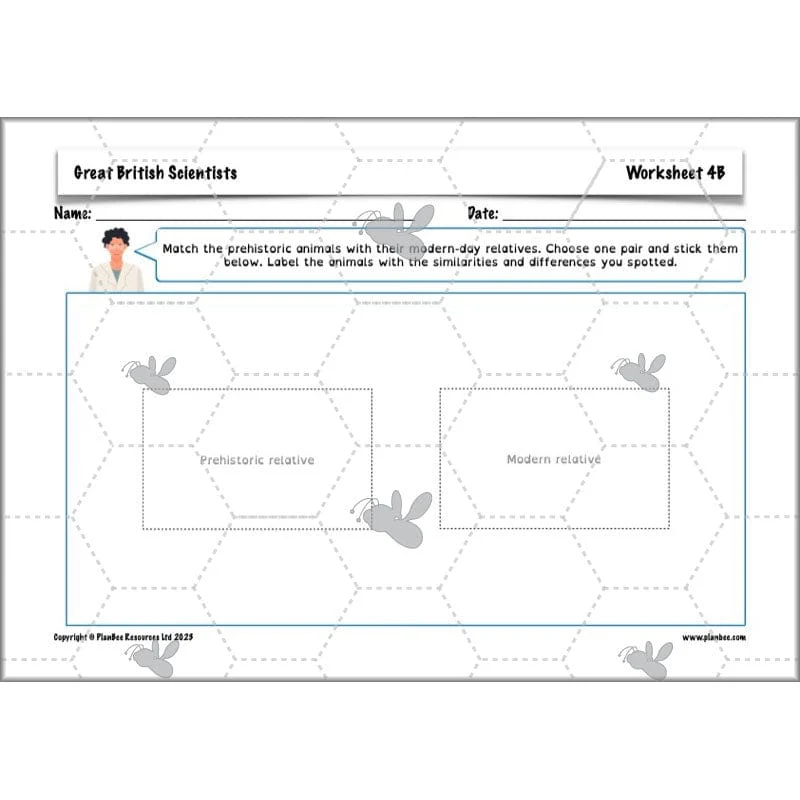
Anning, Wallace and Darwin's Evolution
Discover the studies of Anning, Wallace and Darwin and how they influenced the scientific theory of evolution and natural selection.
Your class will be encouraged to think carefully about how the scientists contributed to scientific discovery in this area. They will explore the process of natural selection and how this has led to changes and variations in different species because of advantageous traits.
What's included:
- Lesson plan
- Slides
- Activity ideas
- Differentiated worksheets
- Modern relative cards
- Prehistoric cards
- Habitat cards
View Lesson 4
Fleming's Antibiotics
Challenge your class to take on the role of Fleming as he plans an experiment to test his theory that mould can kill bacteria.
Your class will explore what antibiotics do and discuss why this was such an important discovery. The children then take on the role of Fleming and plan an experiment to test his theory that mould can kill bacteria.
What's included:
- Lesson plan
- Slides
- Activity ideas
- Differentiated worksheets
- Information sheets
View Lesson 5
Asking Scientific Questions
Your class will learn about Dame Elizabeth Anionwu, her life and her achievements. They will think about the impact her questioning had on society and the importance of asking scientific questions.
During the activities the children will either ask questions to solve a hypothetical problem, or they will make a blood model and ask questions about blood.
What's included:
- Lesson plan
- Slides
- Activity ideas
- Differentiated worksheets
- Blood Instruction Sheets
- Blood
View Lesson 6
Kemp Starley's Cogs and Gears
Challenge your class to calculate gear ratio and use gears to gear up or down.
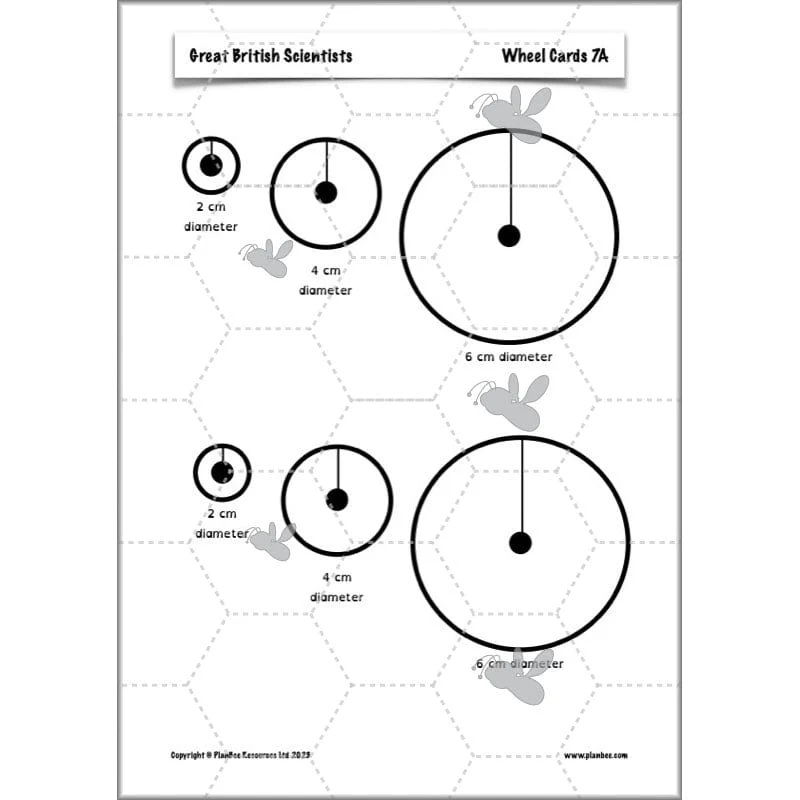
Your class will investigate how gears and wheel sizes affect speed and distance travelled. They will explore the design of a penny-farthing and be introduced to the inventor of the Rover safety bicycle: John Kemp Starley. They will observe the changes the size of gears can make and how they work together in a chain drive to make a bike move. The children are challenged to calculate the gear ratios for different gear chains.
What's included:
- Lesson plan
- Slides
- Activity ideas
- Gear cards
- Differentiated worksheets
- Image cards
- Wheel cards
View Lesson 7