Health and Movement
Designed to cover the animals including humans Year 3 strand of the Science curriculum, this 'Health and Movement' scheme of work teaches your KS2 class how animals, including humans, need specific nutrition to help them move and grow, and how humans and some other animals have skeletons and muscles to help their bodies move. With plenty of opportunities to carry out research and undertake practical investigations, these lessons are sure to have something to suit every learner in your class.
This animals including humans Year 3 planning pack contains all the resources you need to teach this important and engaging scheme of work, including detailed lesson plans, a slideshow presentation for each lesson, differentiated activity ideas and a range of colourful worksheets and other printable resources. All you need to do is click to download and you're ready to go!
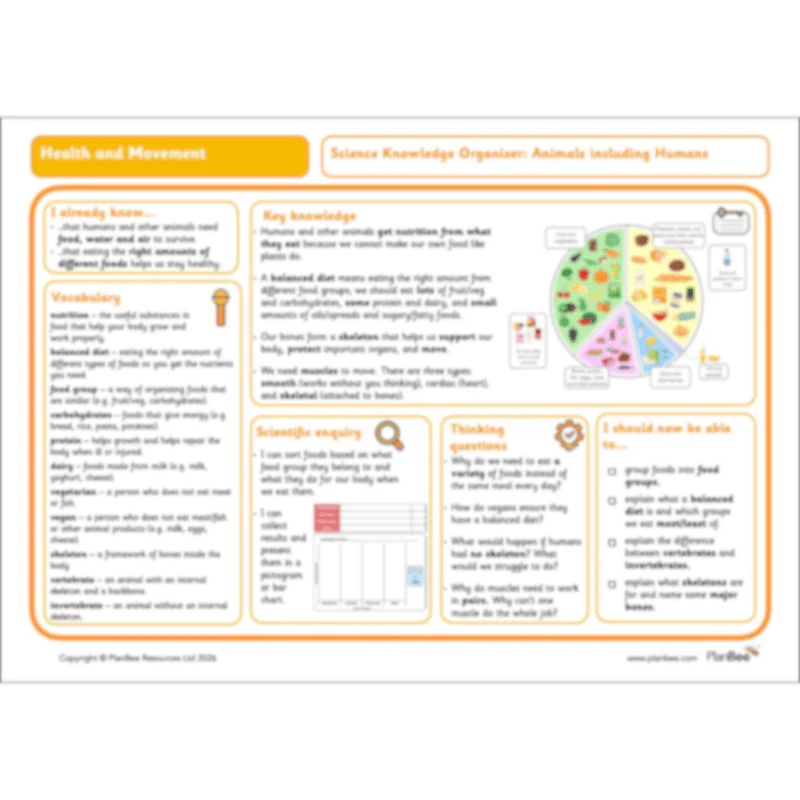
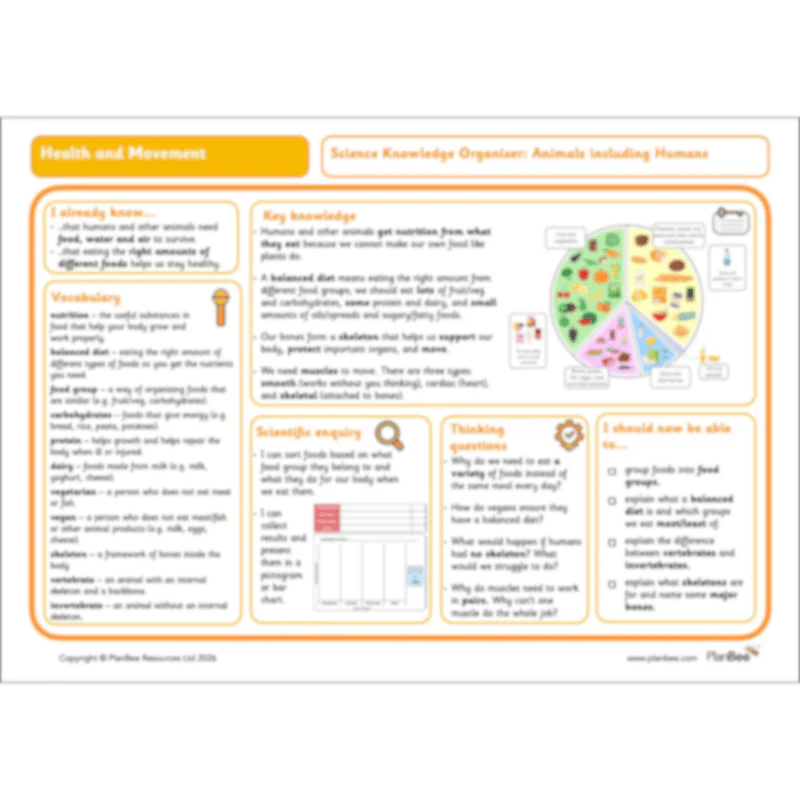
A Knowledge Organiser is included within the complete series download, or is available to purchase separately.
Foods for Growth and Energy
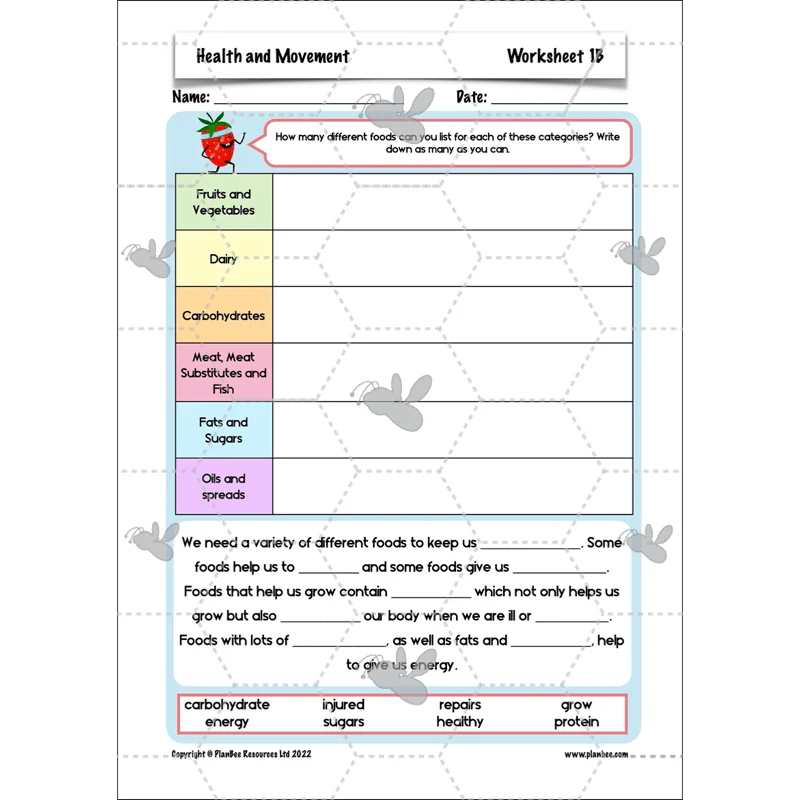
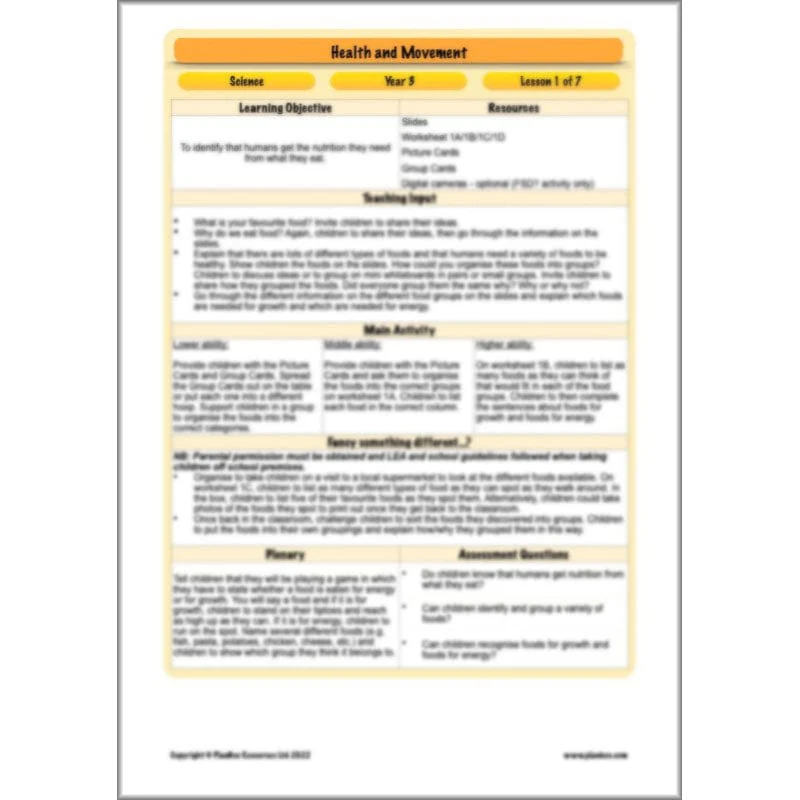
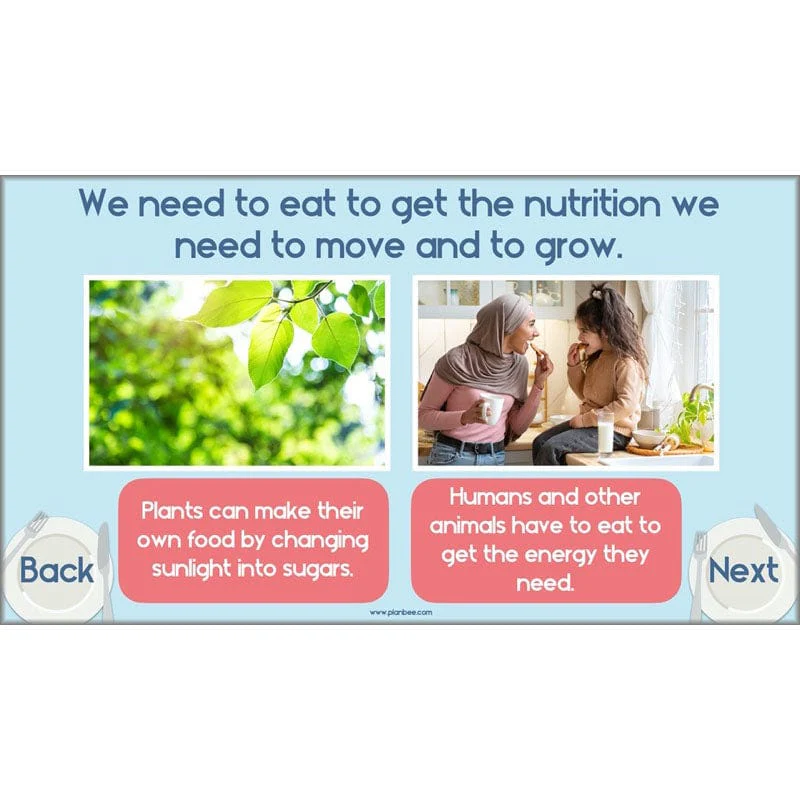
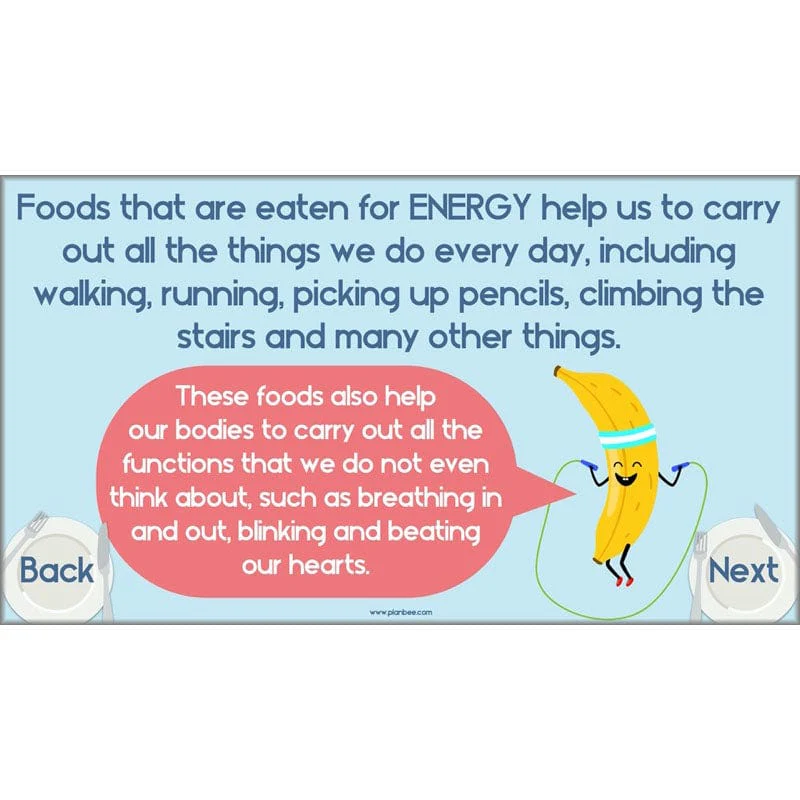
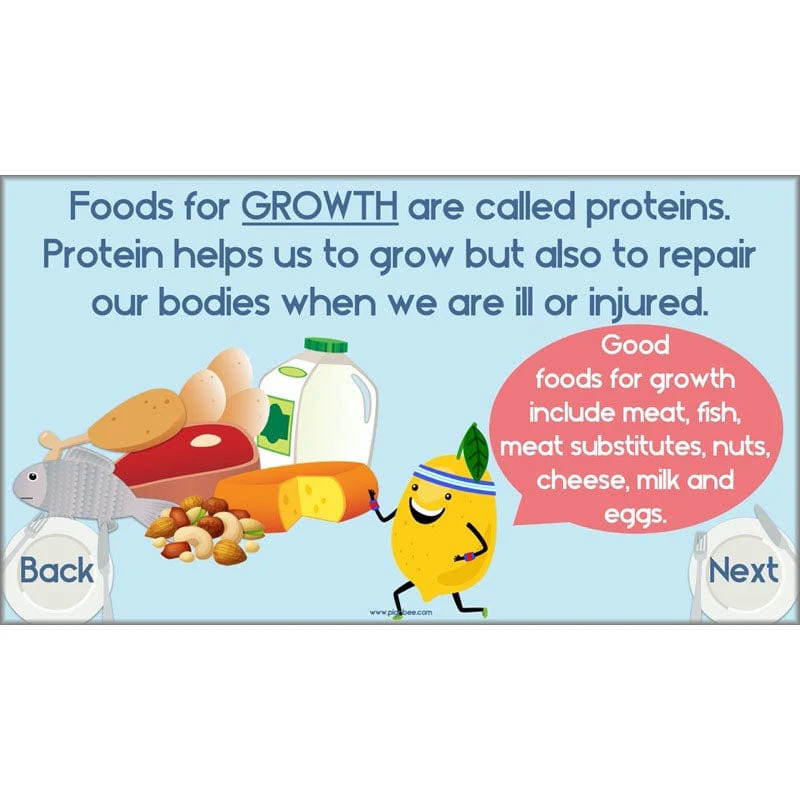
The first lesson in this series explores which foods humans need for growth and which they need for energy.
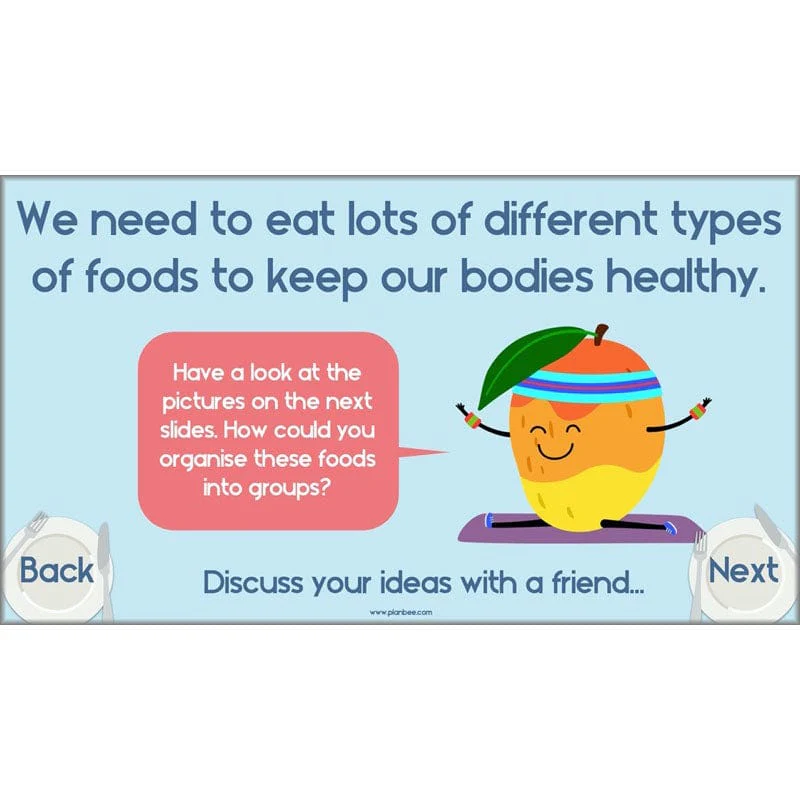
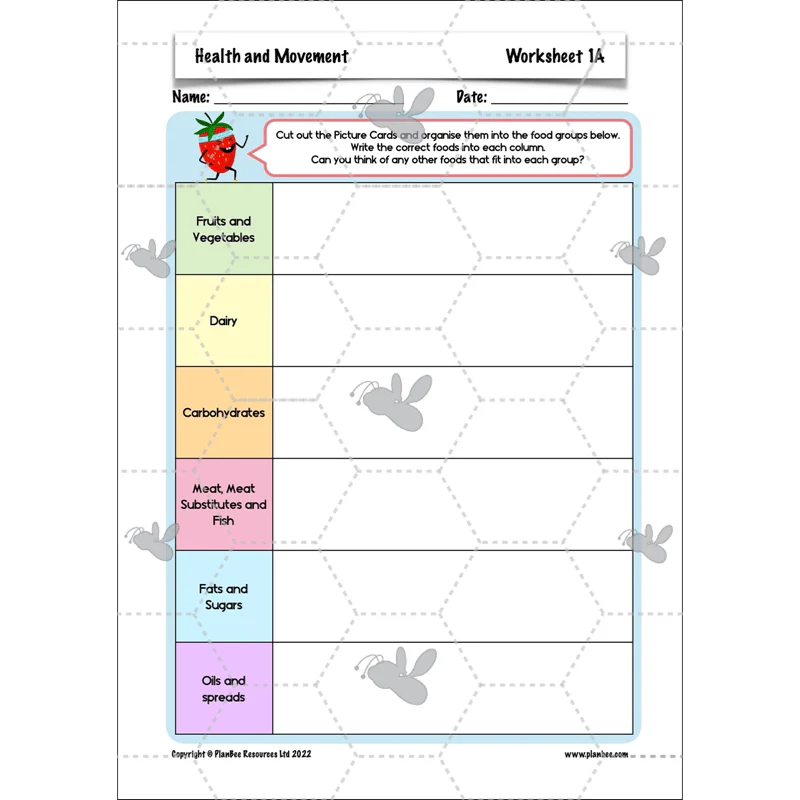
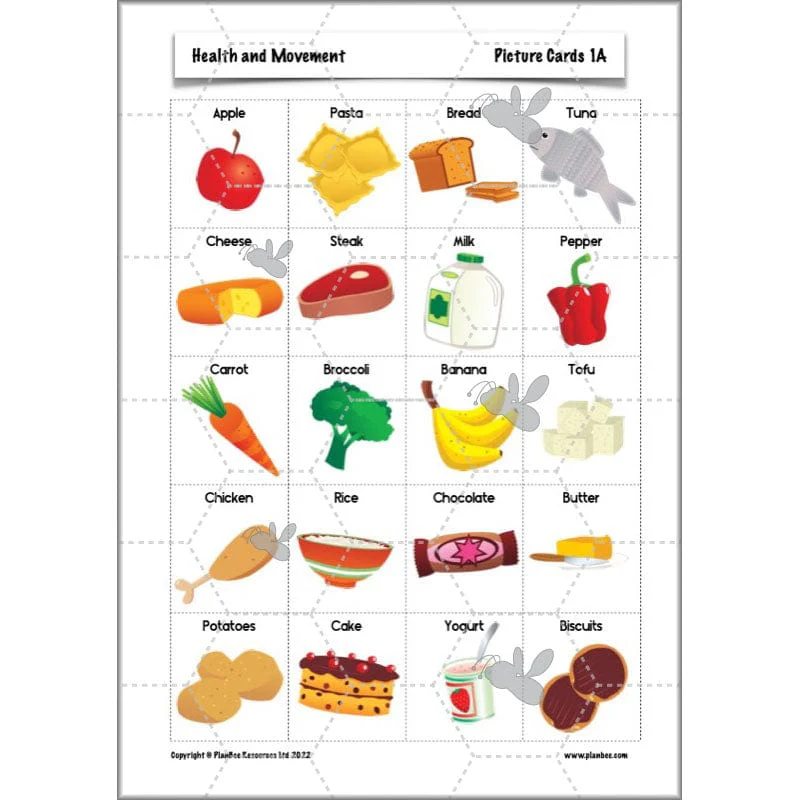
Your class will look at a variety of different foods and think about how they can be grouped, as well as exploring the specific role of carbohydrates and proteins in our diets.
What's included:
- Lesson plan
- Slides
- Activity ideas
- Differentiated worksheets
- Picture cards
- Group cards
View Lesson 1
Balanced Diets
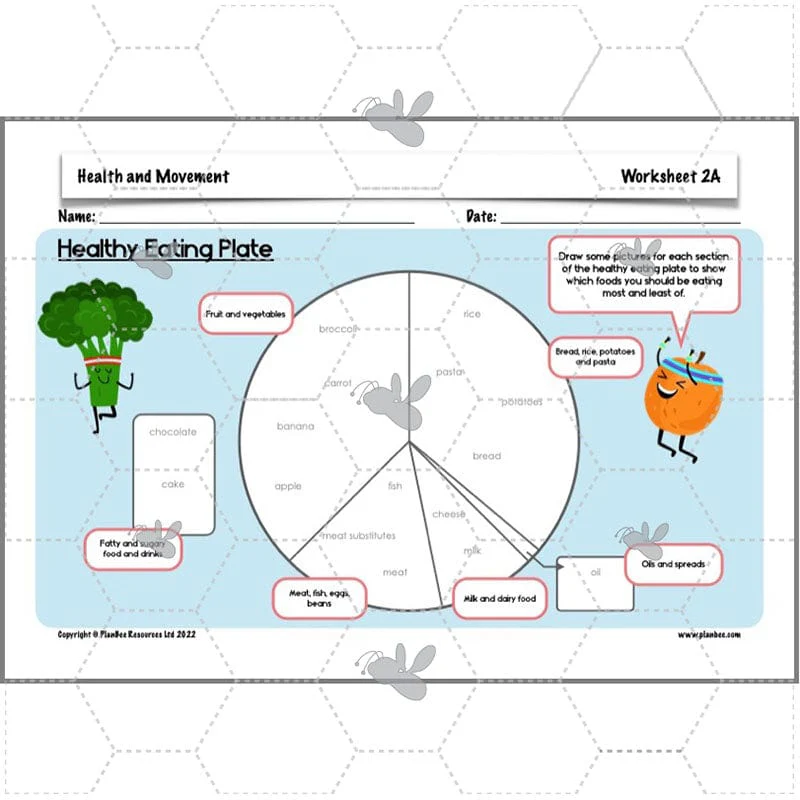
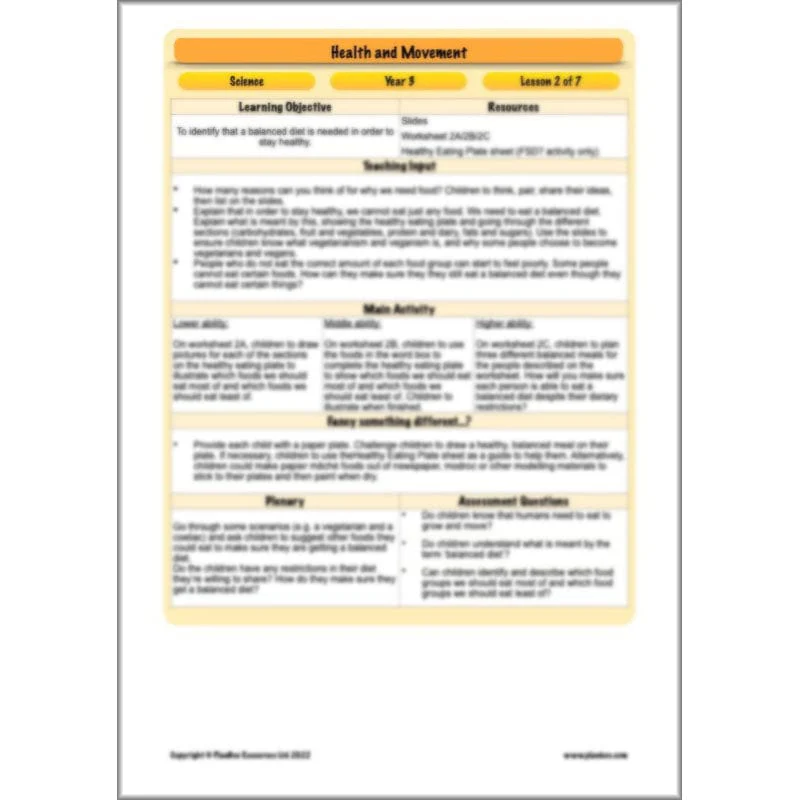
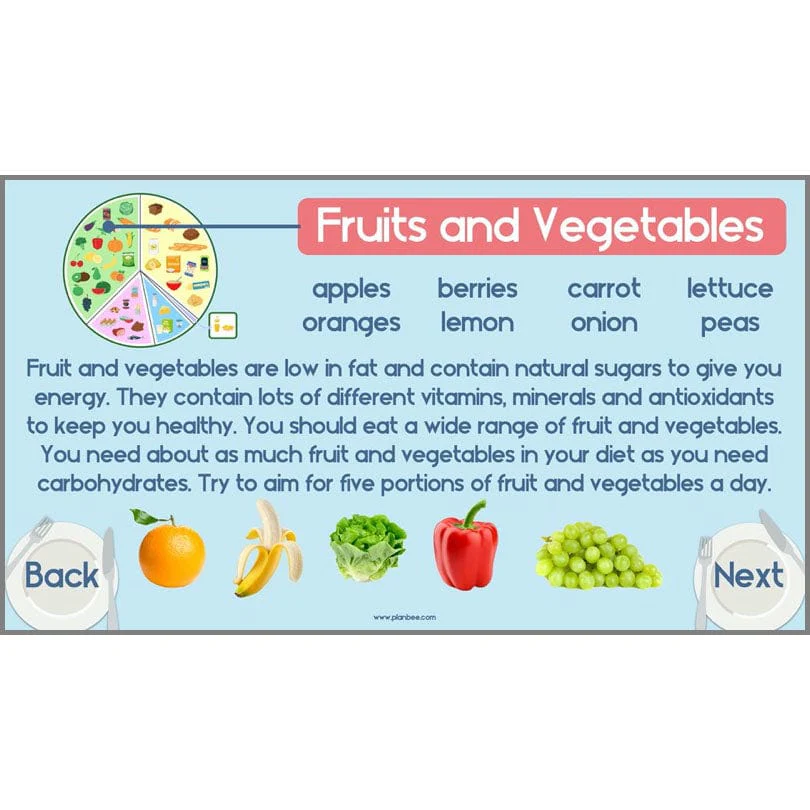
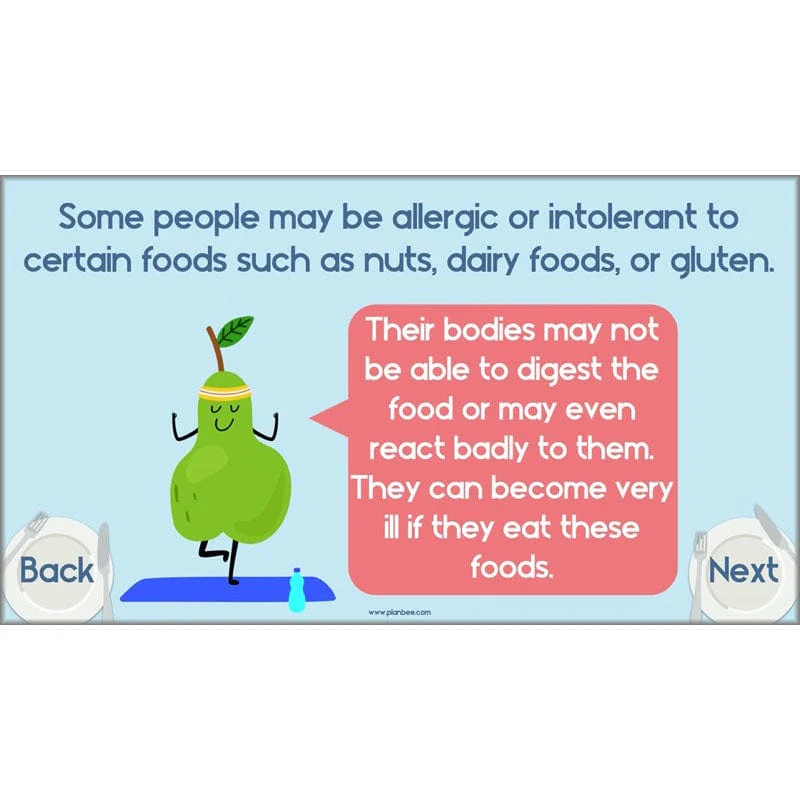
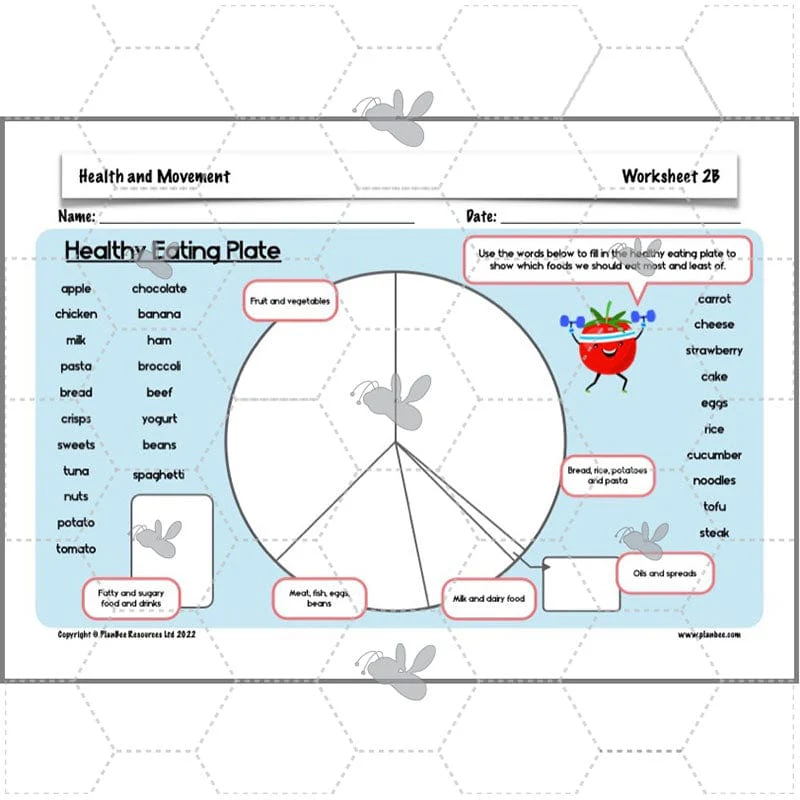
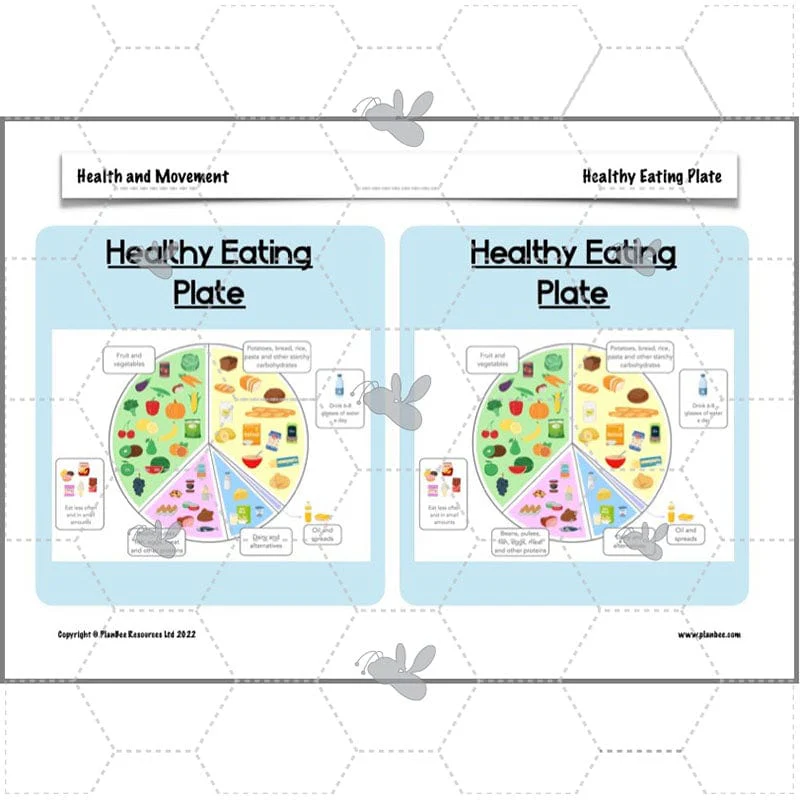
This Balanced Diet Year 3 Science lesson takes a closer look at what nutrients the human body needs to stay alive and healthy, as well as the proportions of different food groups we should consume.
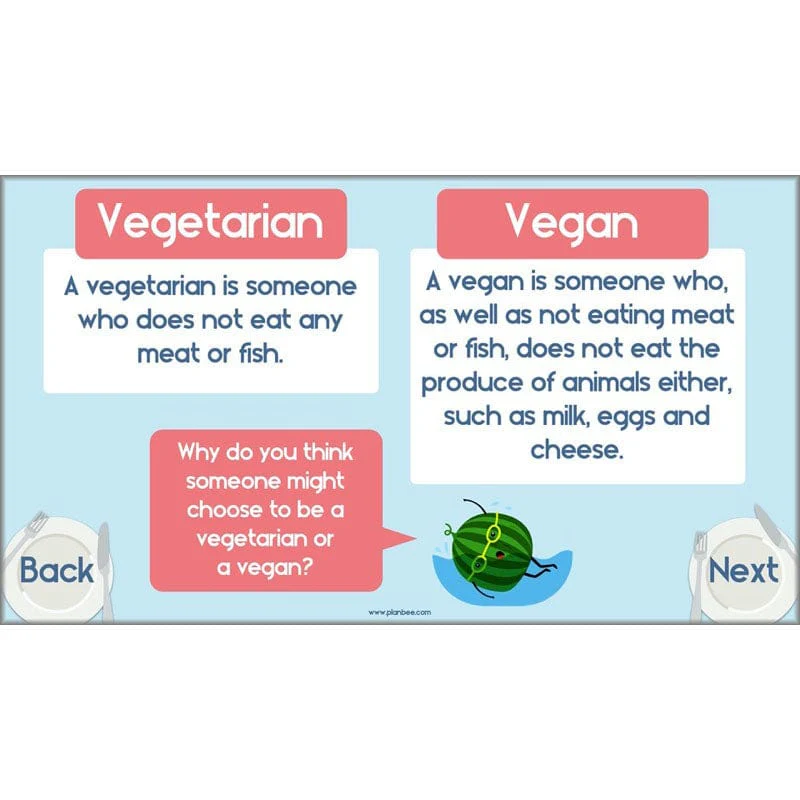
After looking in detail at each of the food groups, your class can then put their understanding to the test as they identify foods in different groups and think about how people on restricted diets, such as vegetarians or coeliacs, can get the nutrients they need.
What's included:
- Lesson plan
- Slides
- Activity ideas
- Differentiated worksheets
- Healthy plate sheet
View Lesson 2
Animal Diets
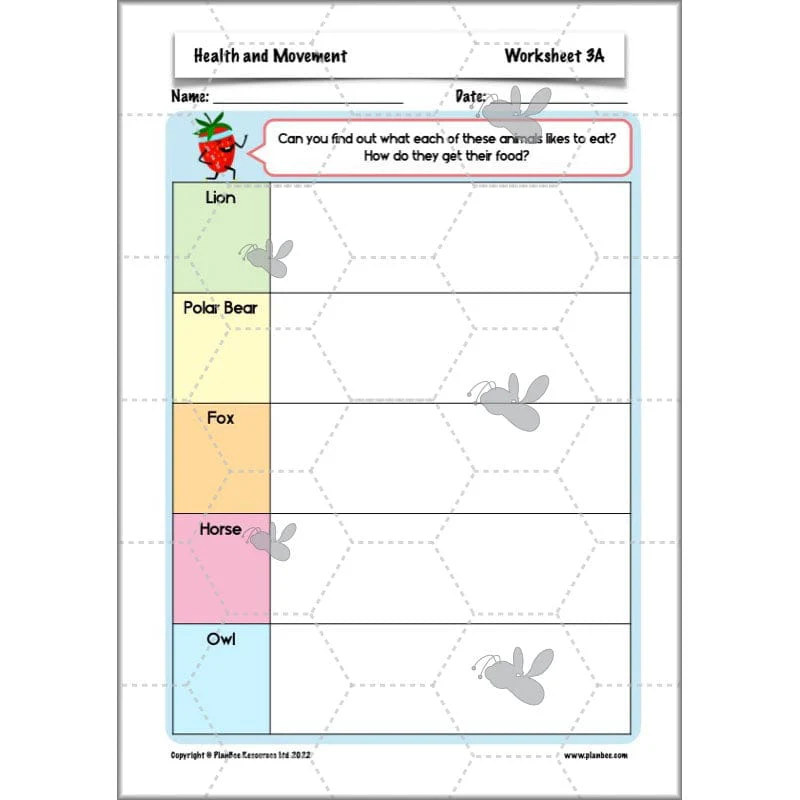
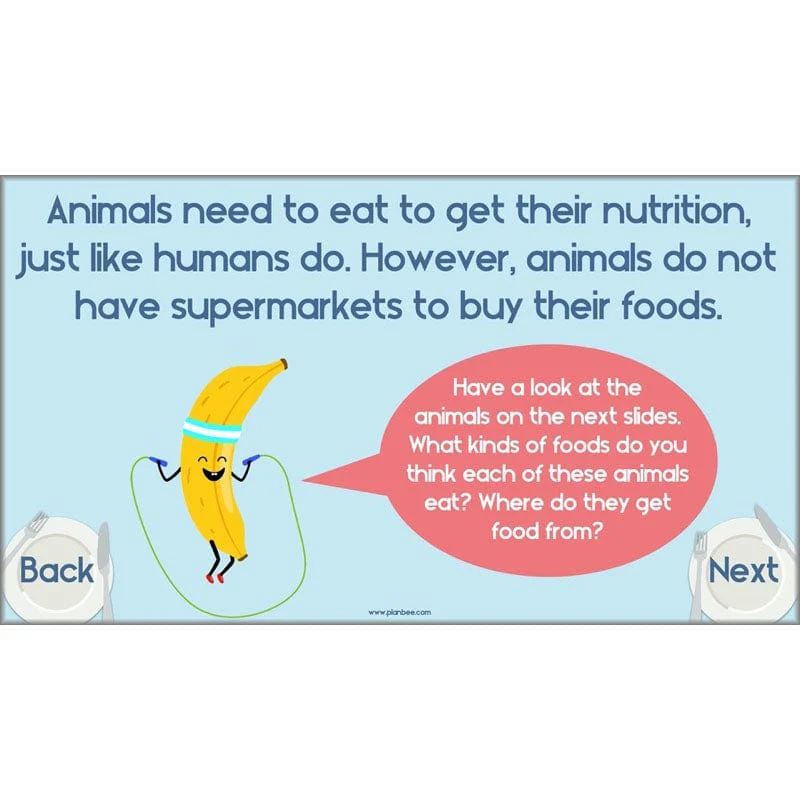
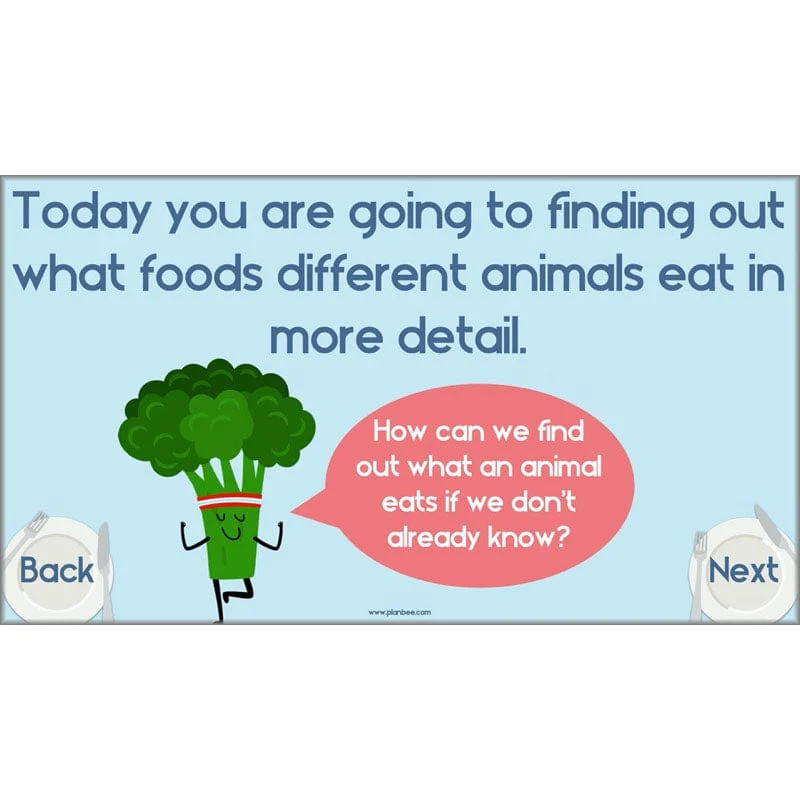
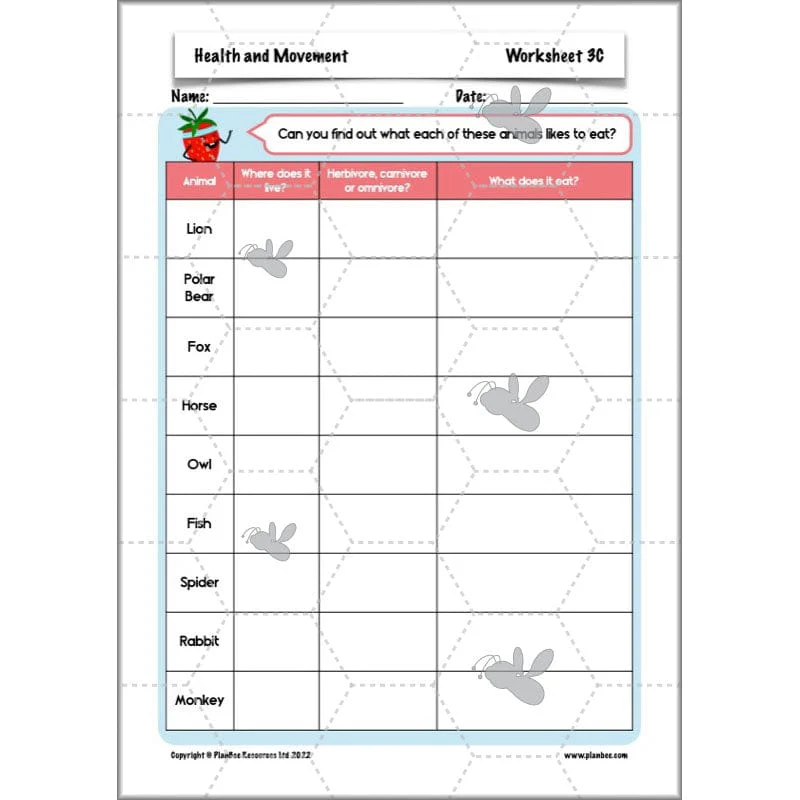
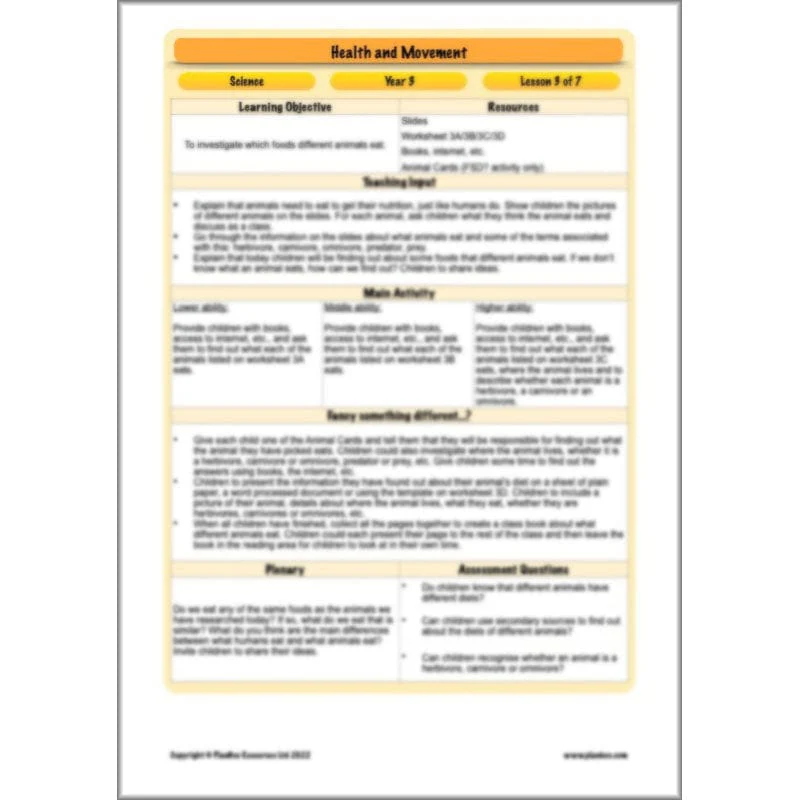
Now that your class know exactly what humans need to eat to stay healthy, your class can look at the animal kingdom and explore what animals eat.
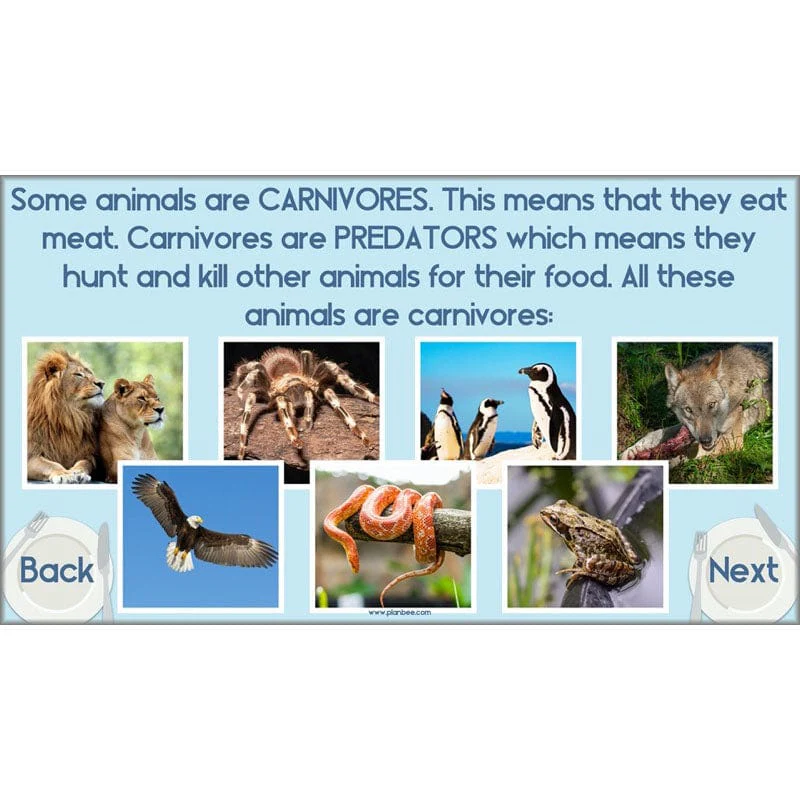
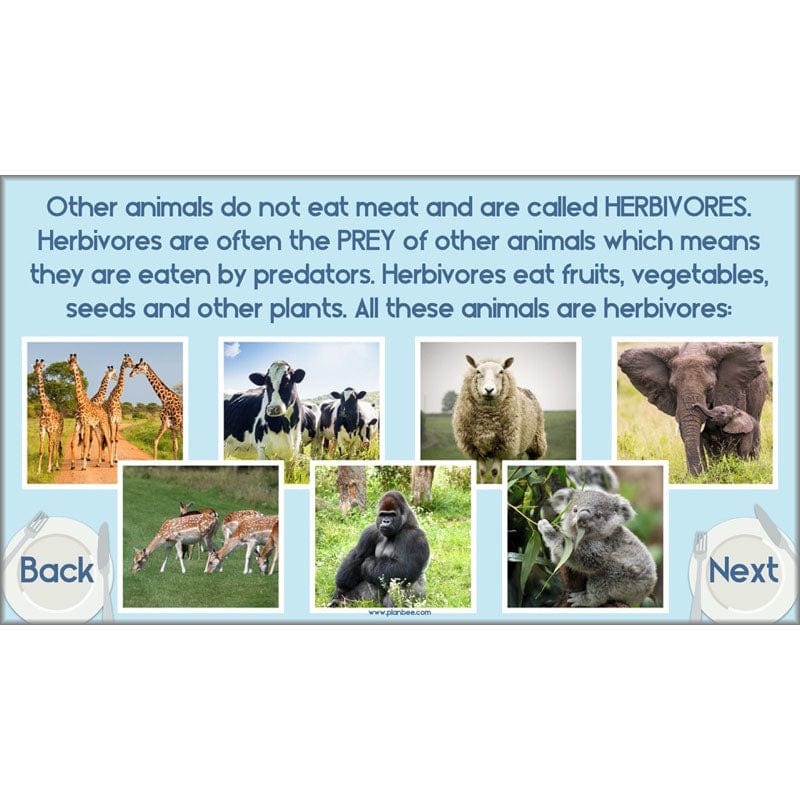
Using terms such as 'herbivore', 'carnivore', 'omnivore', 'predator' and 'prey', your class will investigate the diets of a range of animals from around the world.
What's included:
- Lesson plan
- Slides
- Activity ideas
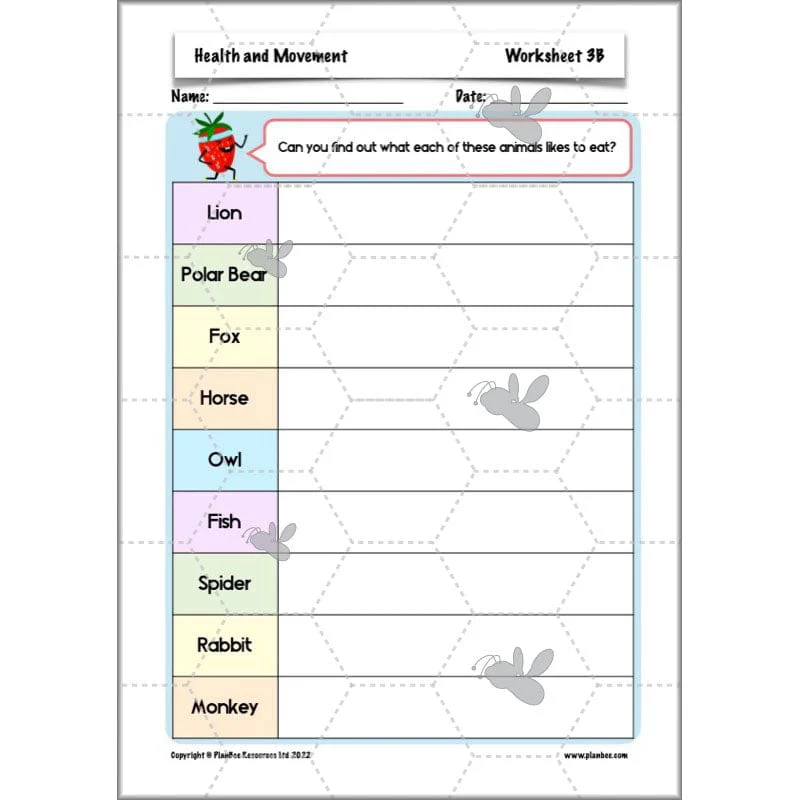
- Differentiated worksheets
- Animal cards
View Lesson 3
Pet Investigation
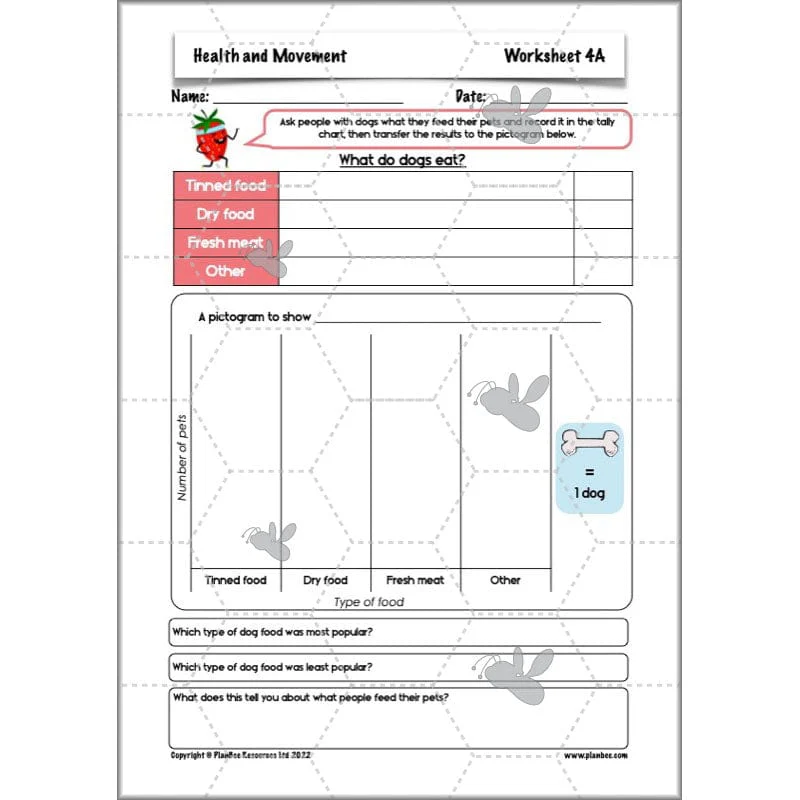
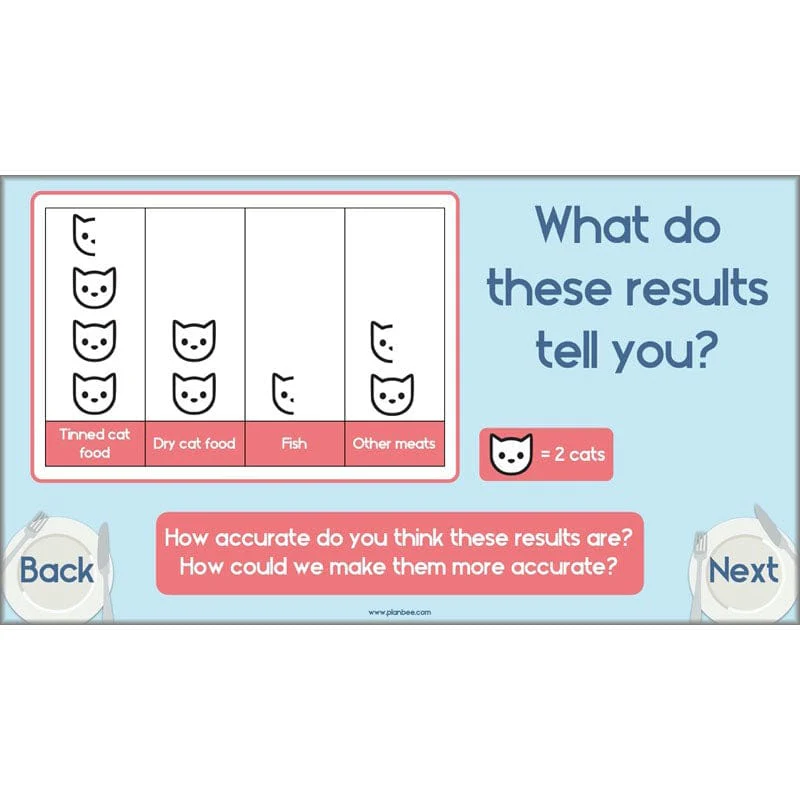
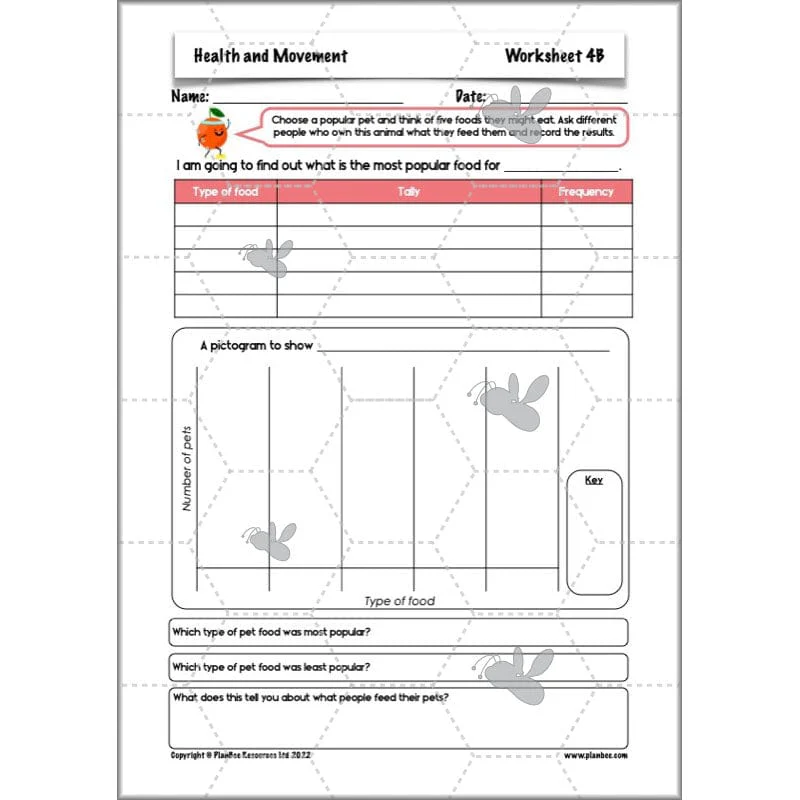
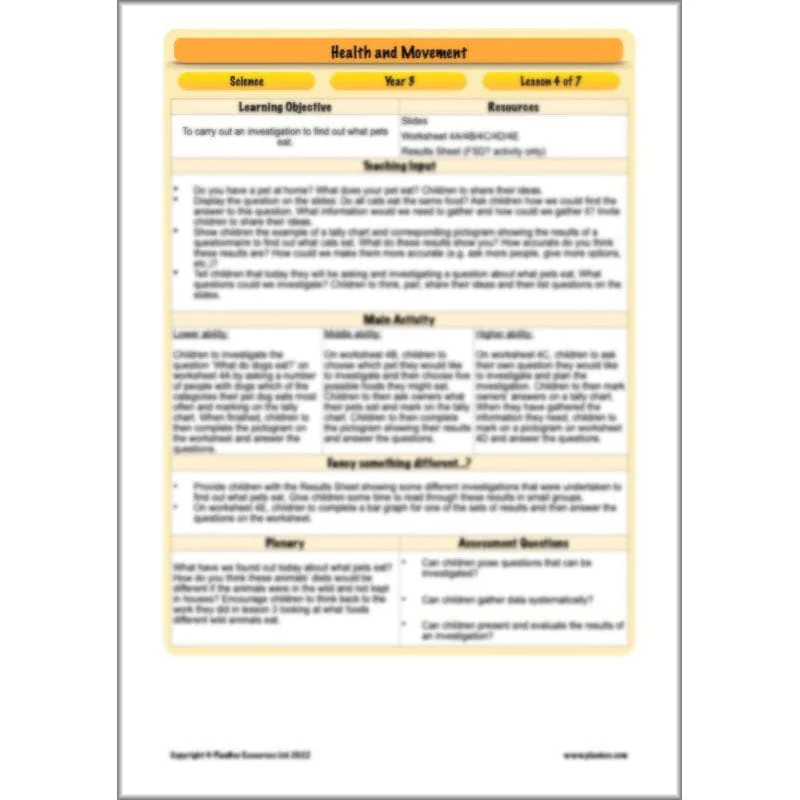
This lesson challenges your class to carry out an investigation to find out what foods pets eat, asking questions and thinking about how they will gather the information before carrying out their investigations. They can use tally charts and pictograms (or bar graphs) to gather the data and present what they have found out.
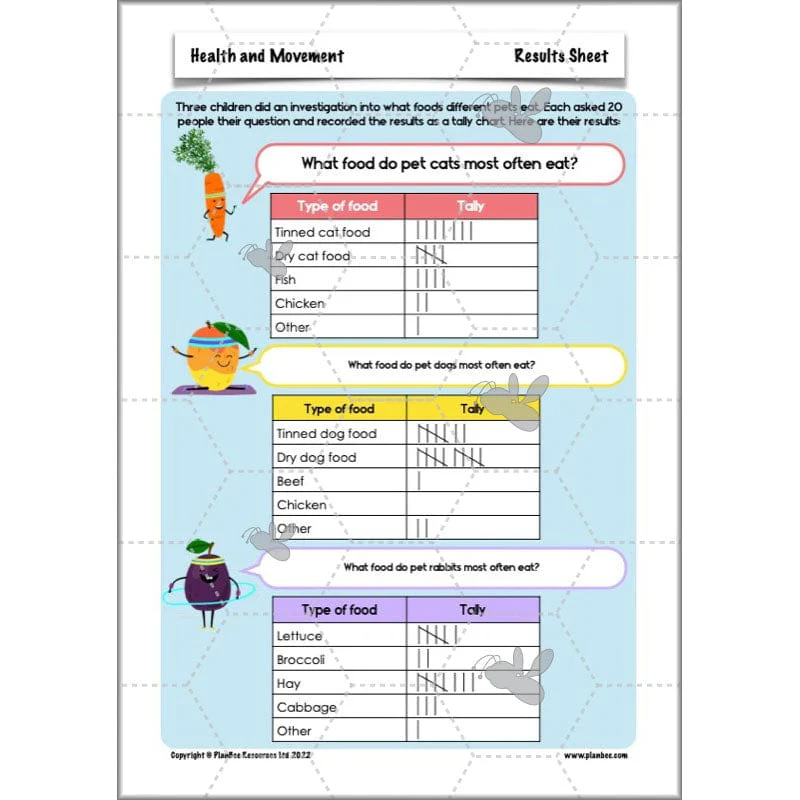
And if you don't have time for an investigation, use the pre-prepared results instead!
What's included:
- Lesson plan
- Slides
- Activity ideas
- Differentiated worksheets
- Results sheet
View Lesson 4
Skeletons
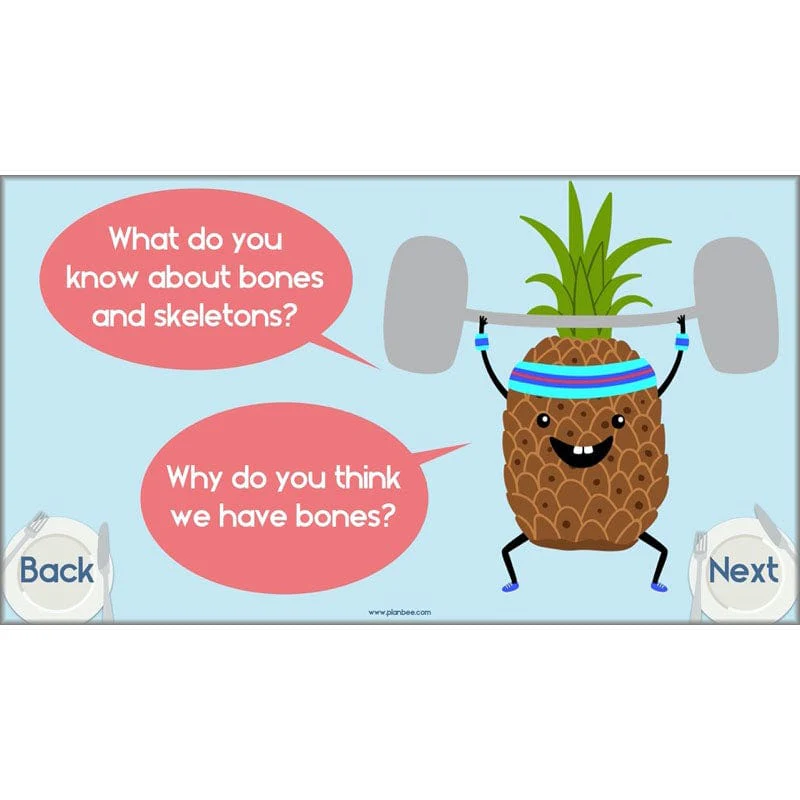
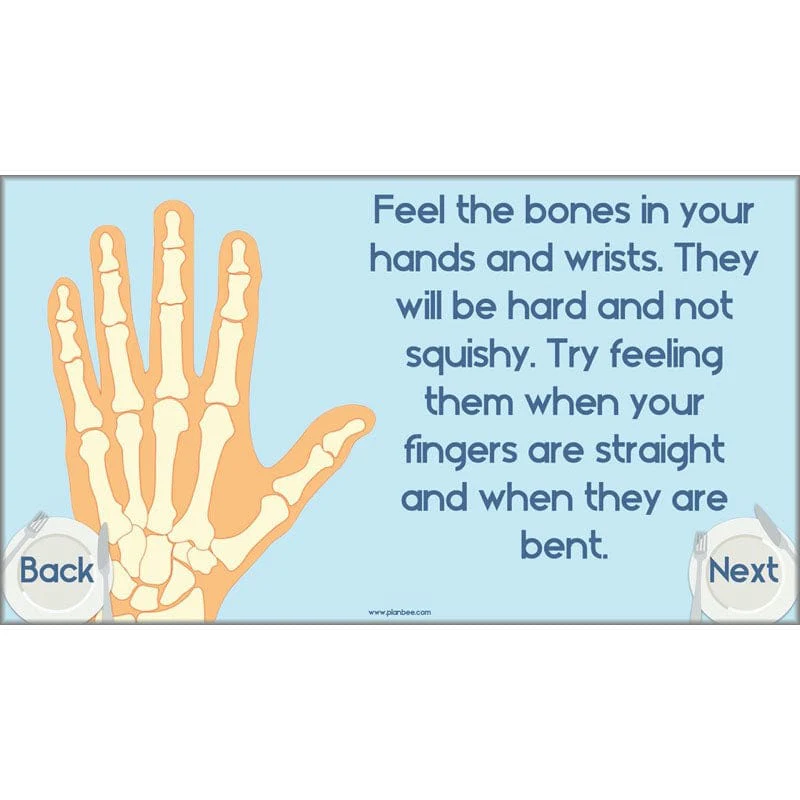
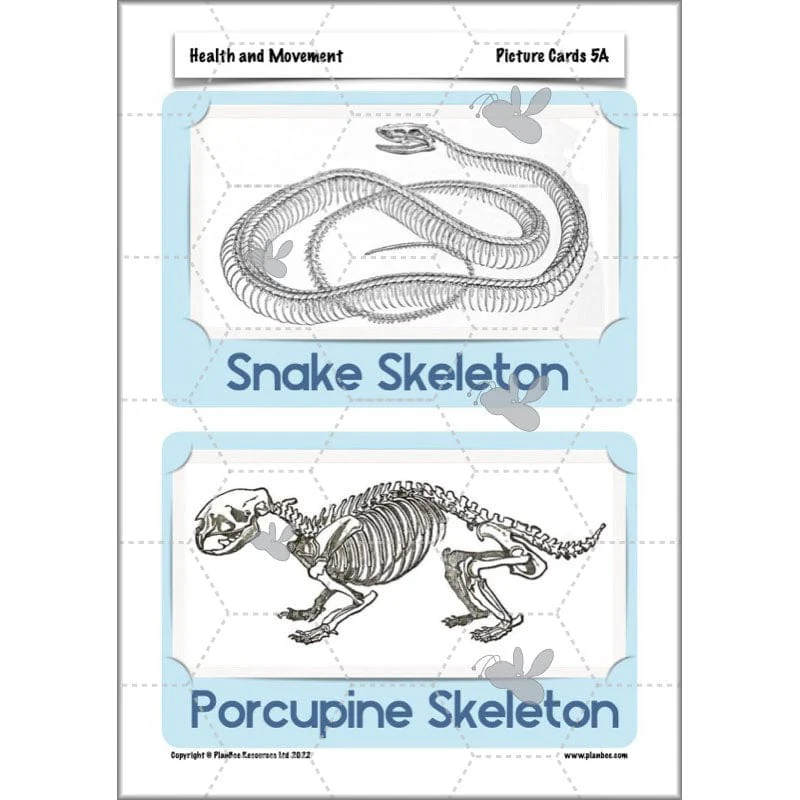
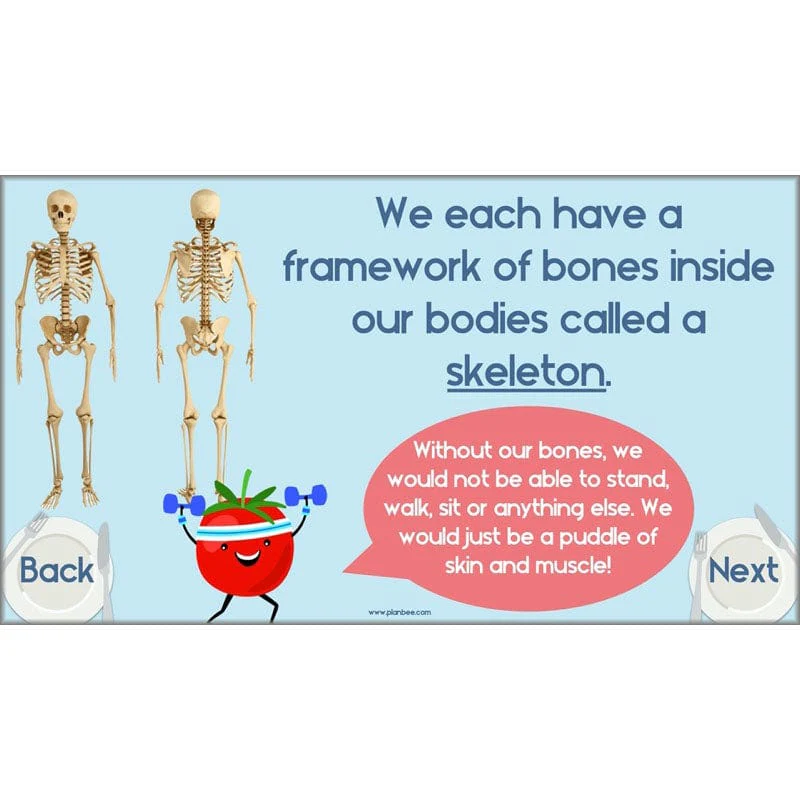
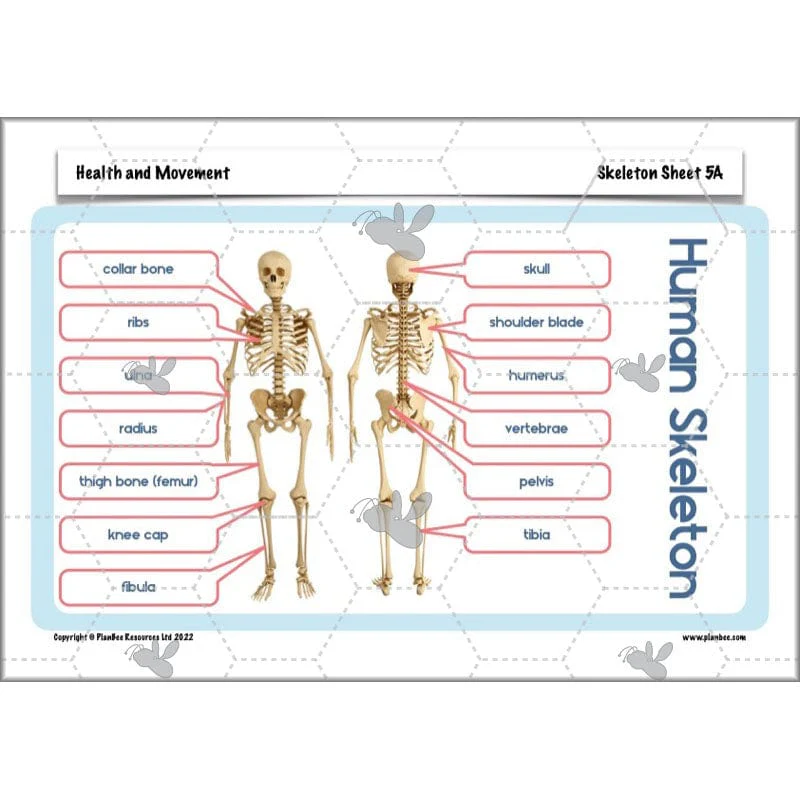
This lesson starts by assessing what children already know about bones and skeletons before looking at the human skeleton in more detail.
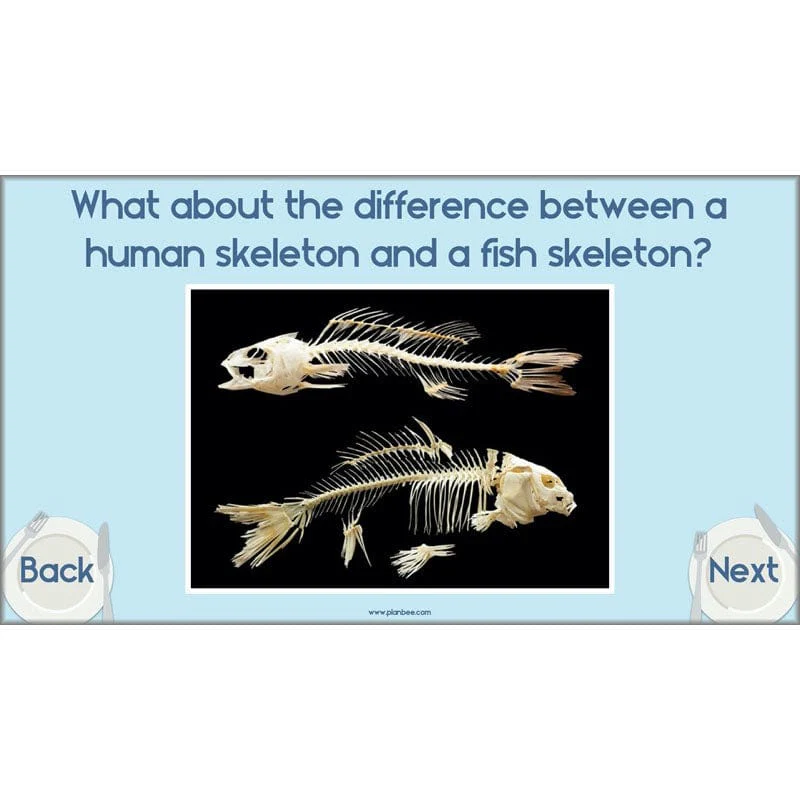
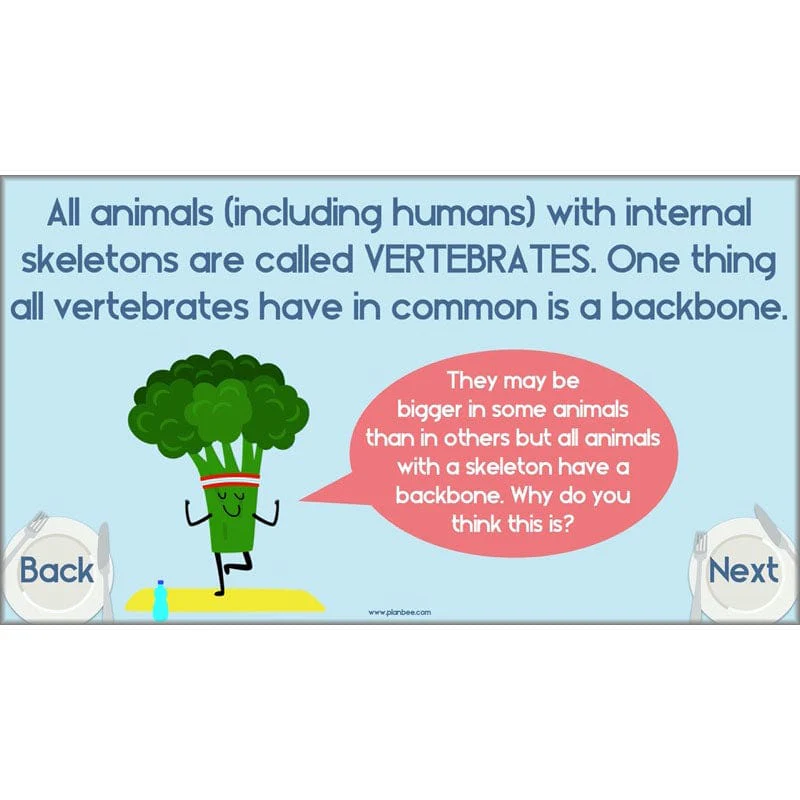
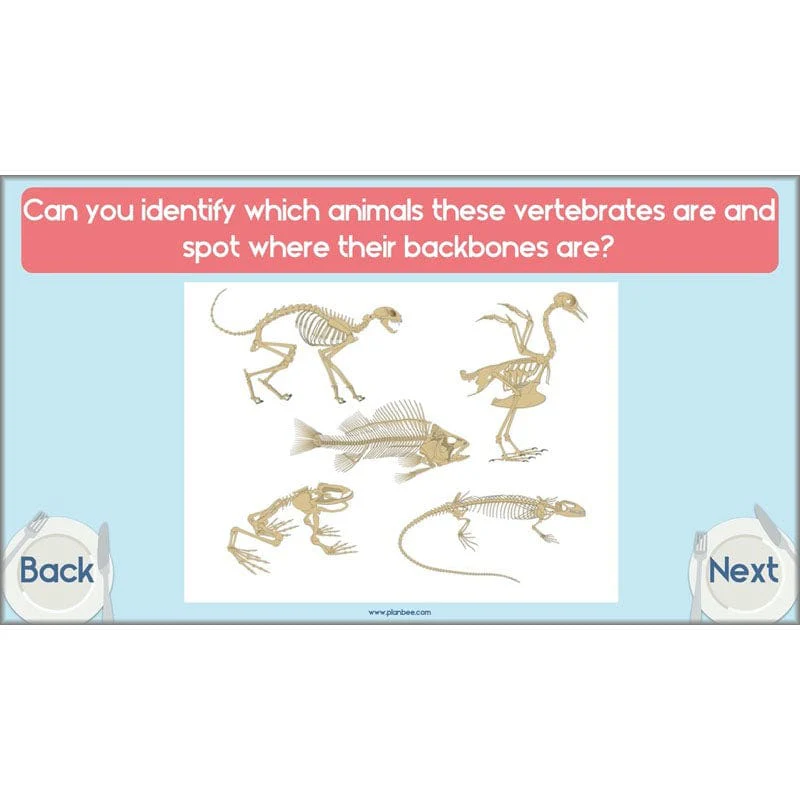
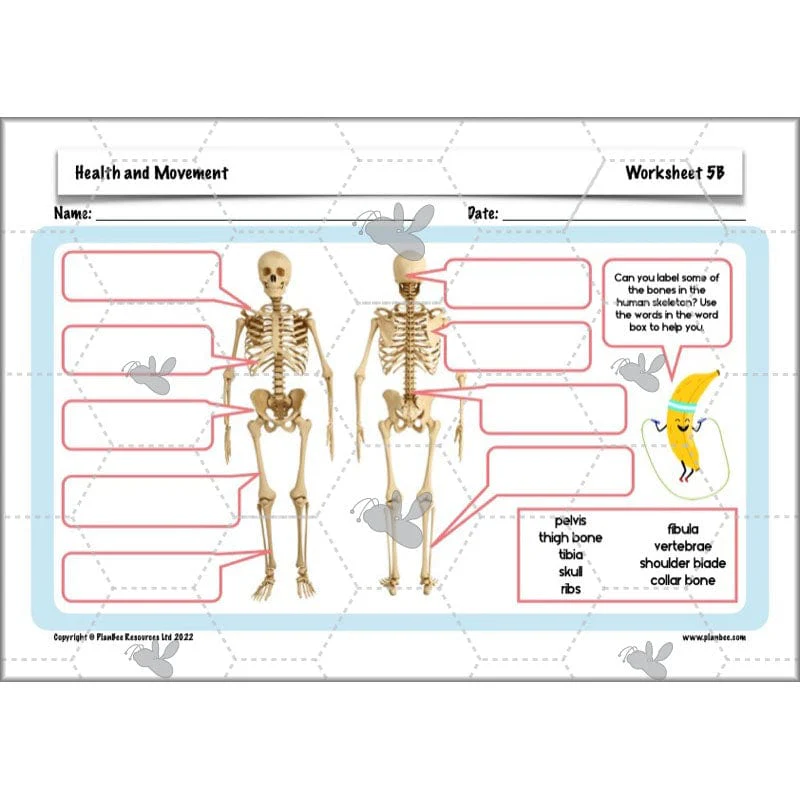
They will identify and name some of the major bones in the human body and then go on to think about how human skeletons are similar to or different from those of other vertebrates.
What's included:
- Lesson plan
- Slides
- Activity ideas
- Differentiated worksheets
- Picture cards
- Skeleton sheet
View Lesson 5
Support and Protection
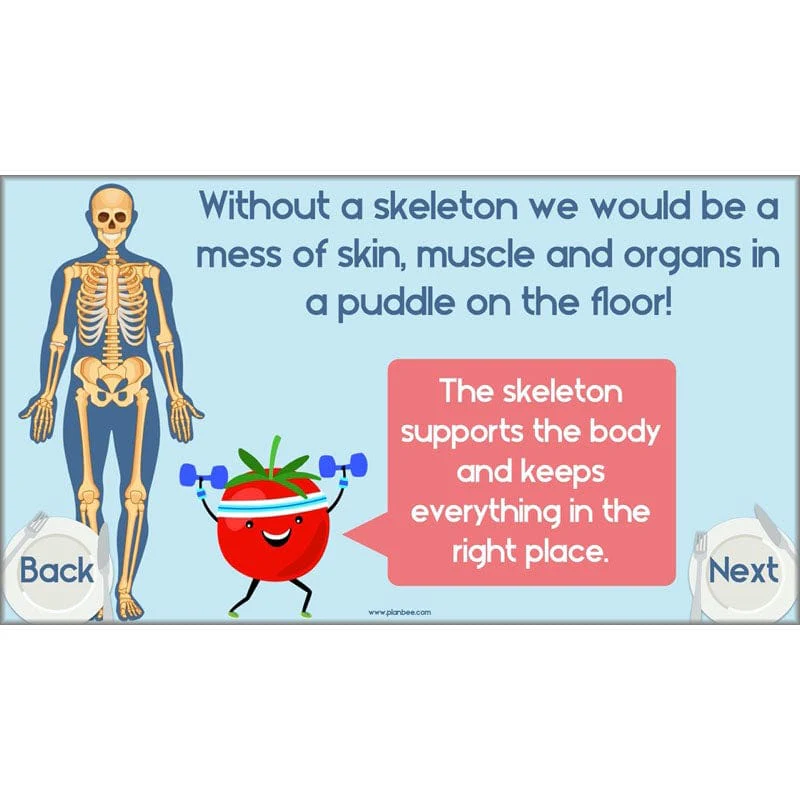
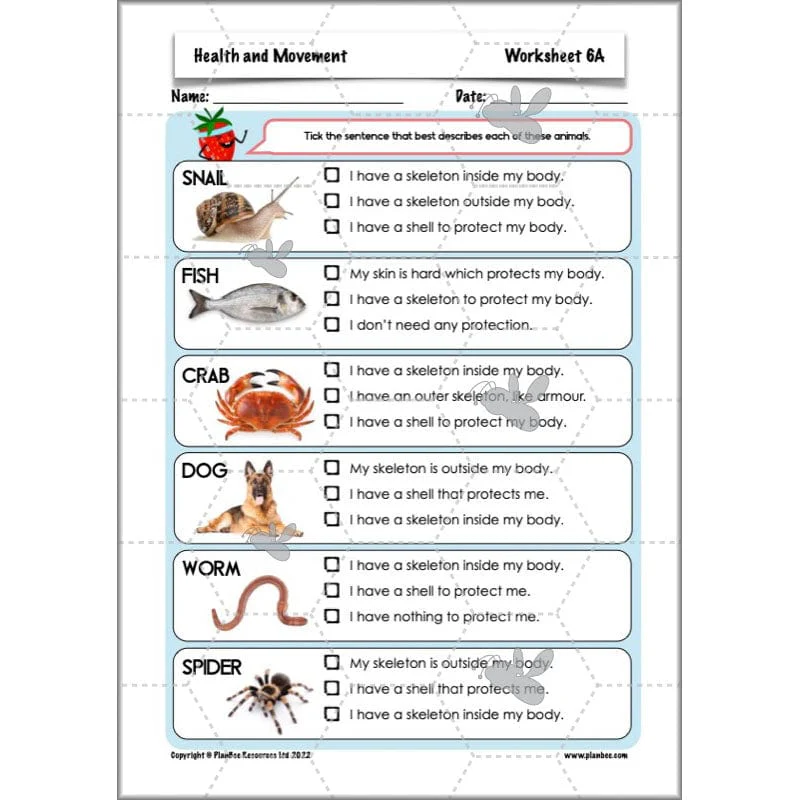
This lesson starts by encouraging your class to think about how useful skeletons are for stopping us being puddles of skin and muscle!
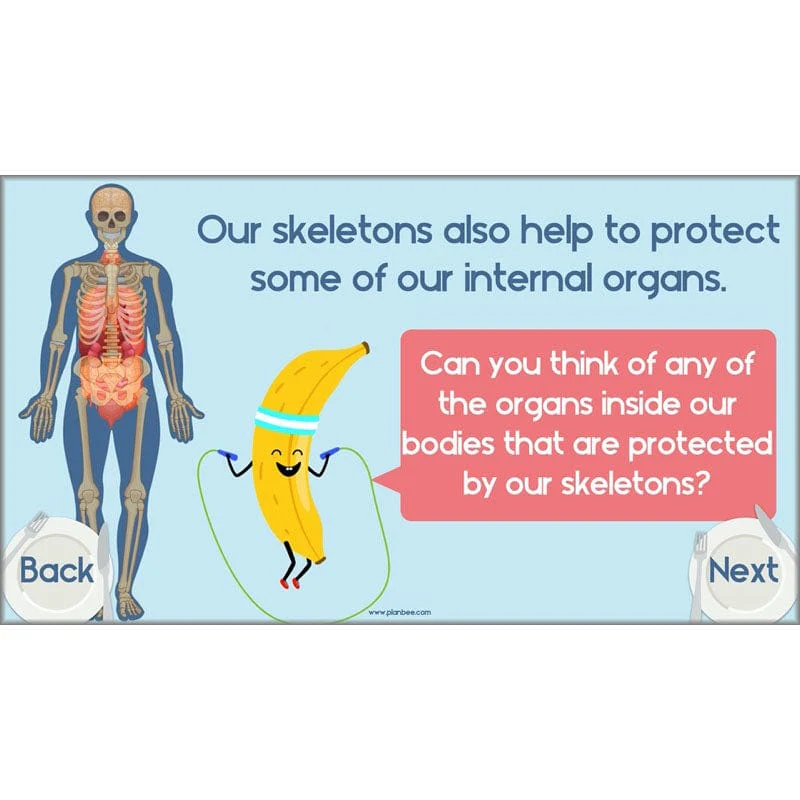
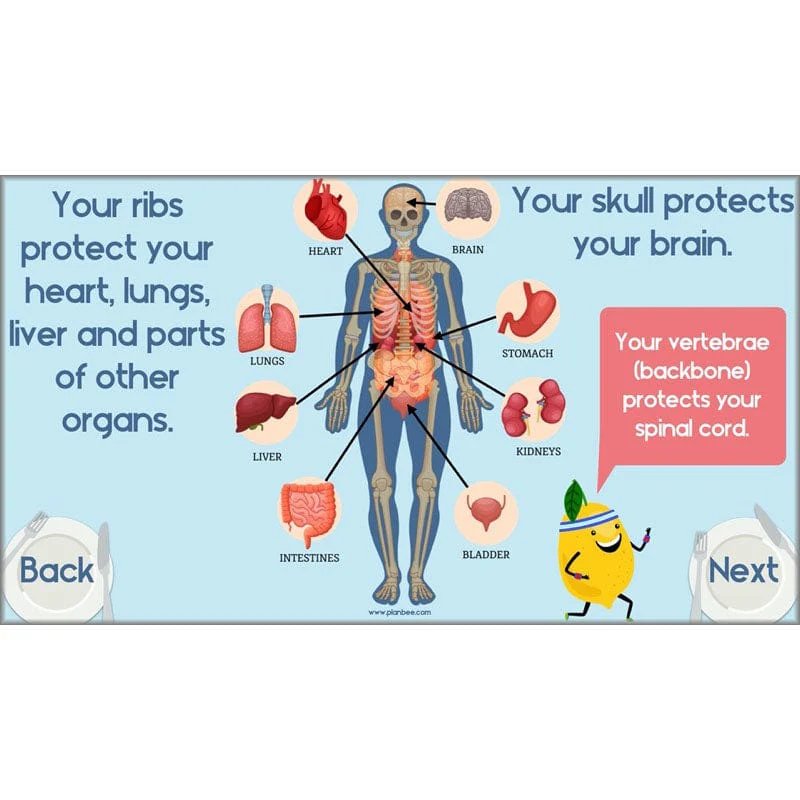
It then goes on to explore how the skeleton not only supports our bodies but also protects some of our major organs.
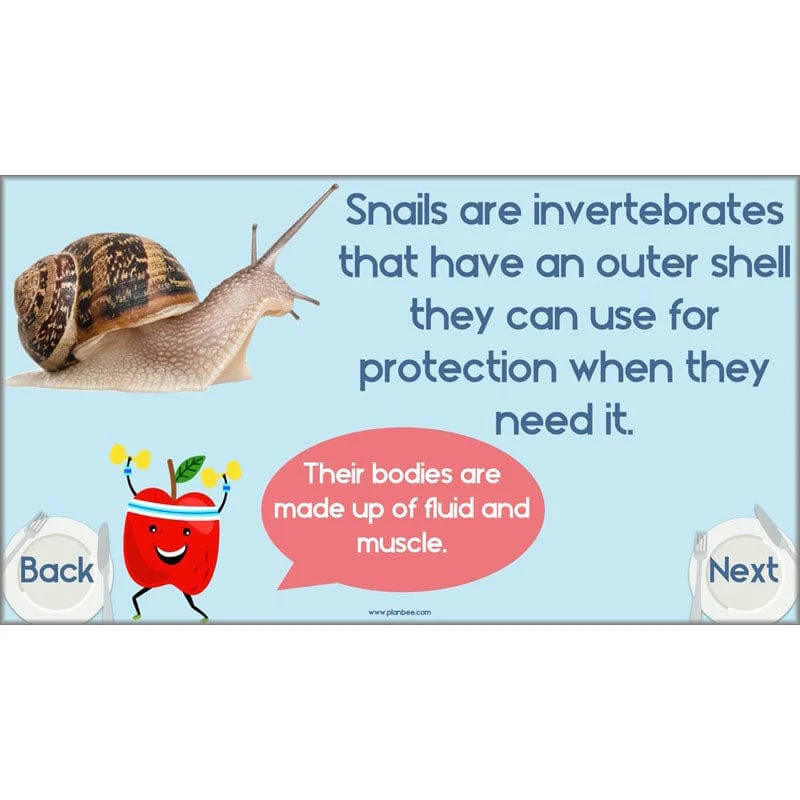
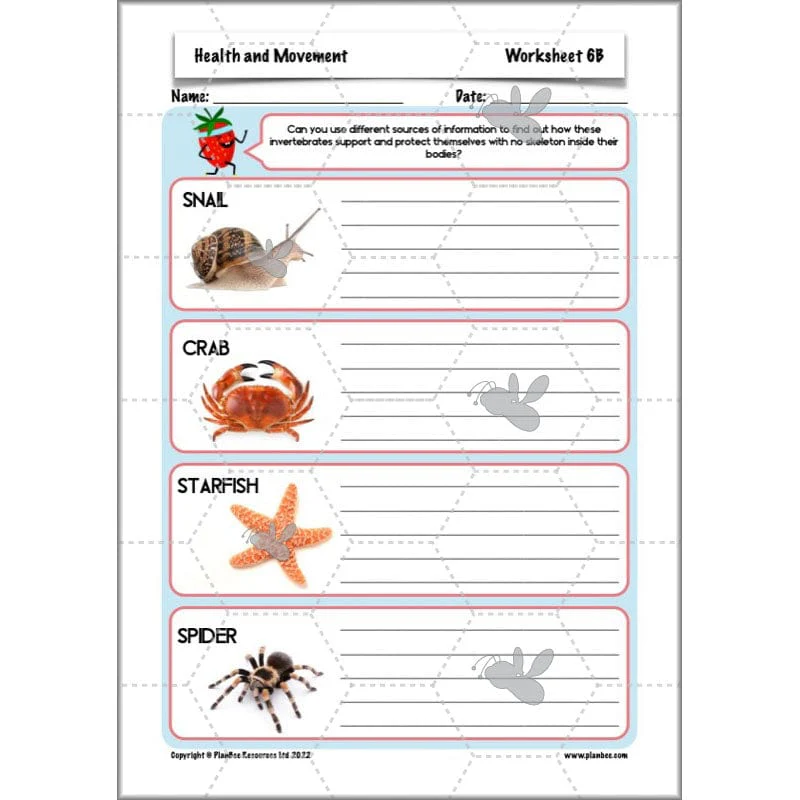
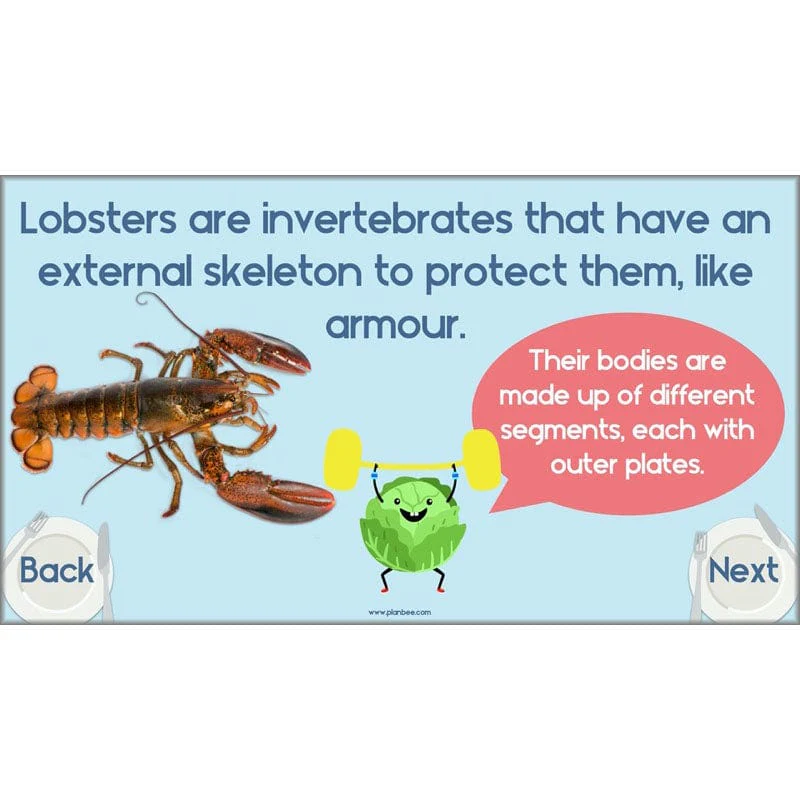
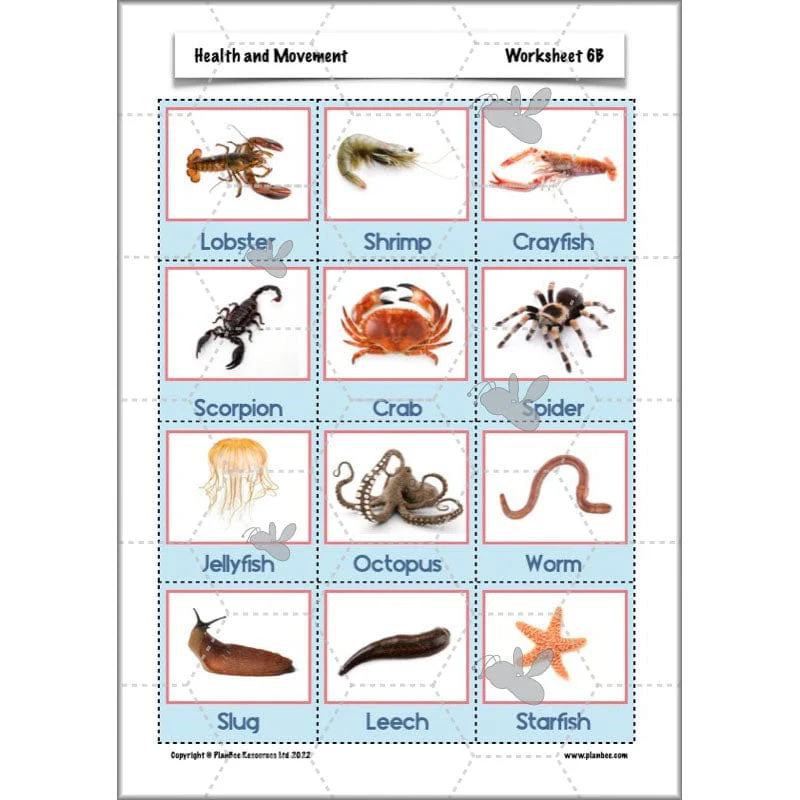
It also explores how invertebrates without skeletons are protected and supported, such as with exoskeletons and shells.
What's included:
- Lesson plan
- Slides
- Activity ideas
- Differentiated worksheets
- Picture cards
- Label cards
View Lesson 6
Moving Muscles
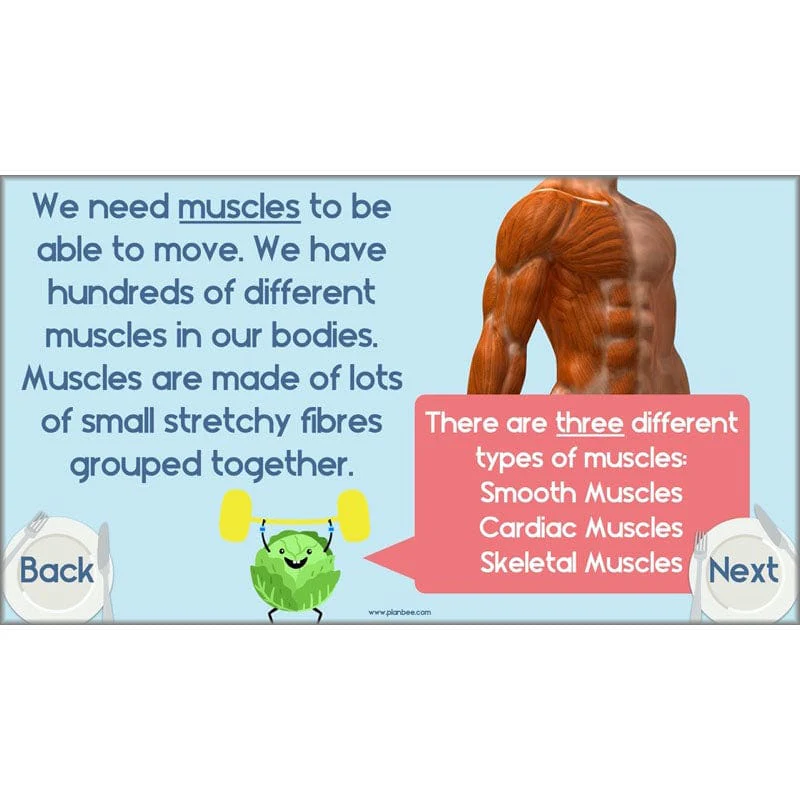
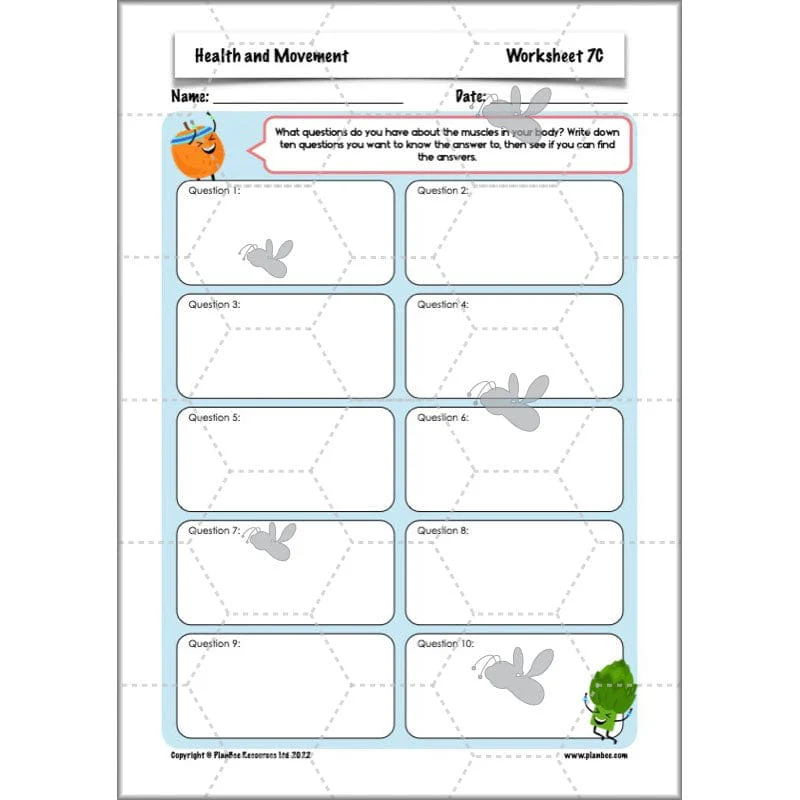
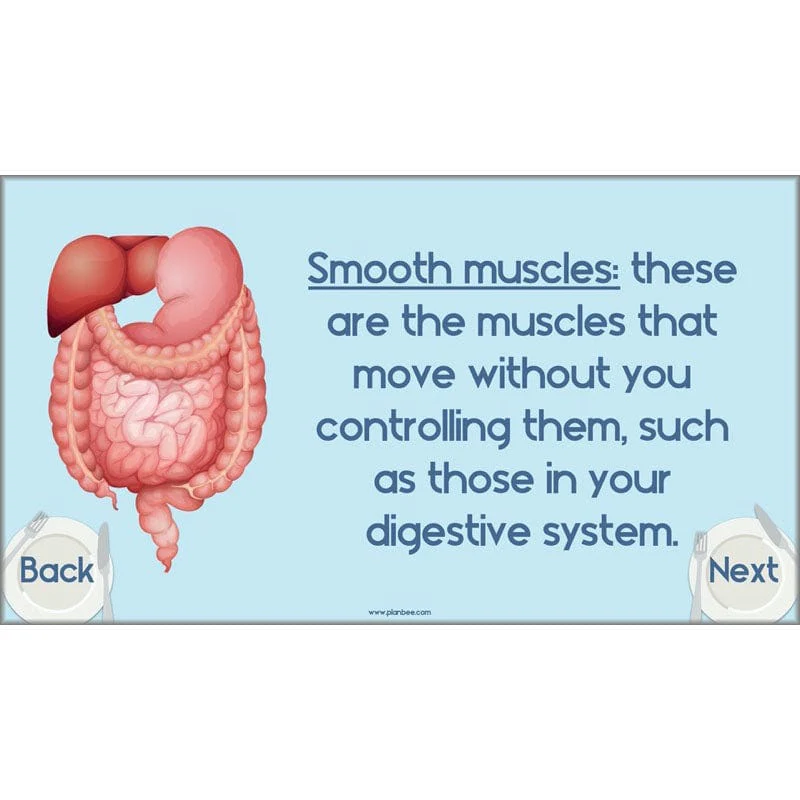
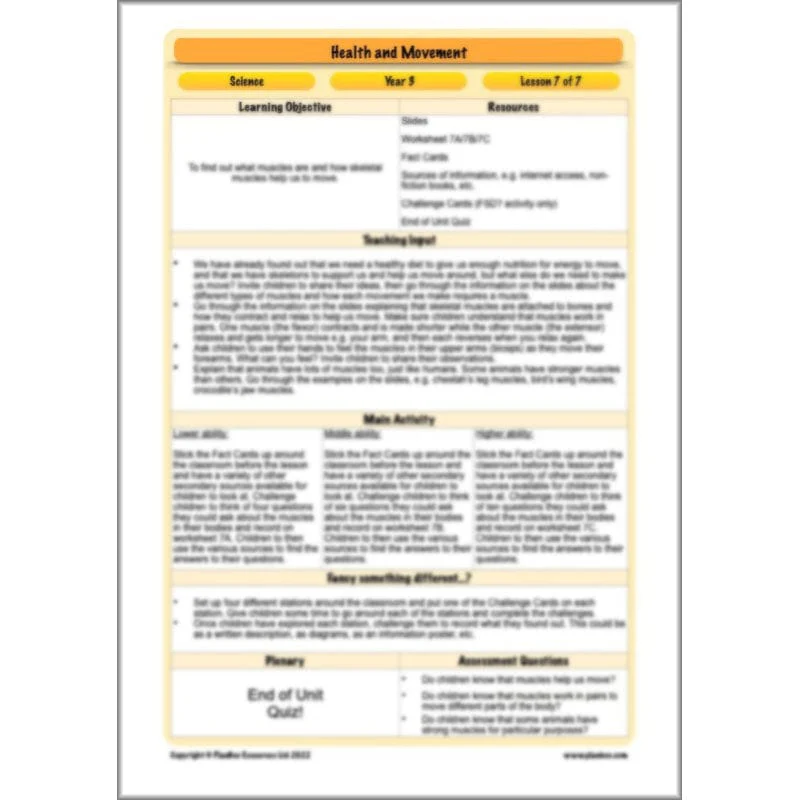
The final lesson in this series introduces your class to the different types of muscles their bodies have before looking specifically at skeletal muscles and how these work in pairs to move bones.
It also looks at animal muscles, such as strong crocodile jaws or powerful cheetah's legs.
The whole scheme of work is then brought together in an End of Unit Quiz to assess what the children have learnt about health and movement.
What's included:
- Lesson plan
- Slides
- Activity ideas
- Differentiated worksheets
- Fact cards
- Challenge cards
- End of unit quiz
View Lesson 7
Original: $2.65
-65%$2.65
$0.93



















Description
Designed to cover the animals including humans Year 3 strand of the Science curriculum, this 'Health and Movement' scheme of work teaches your KS2 class how animals, including humans, need specific nutrition to help them move and grow, and how humans and some other animals have skeletons and muscles to help their bodies move. With plenty of opportunities to carry out research and undertake practical investigations, these lessons are sure to have something to suit every learner in your class.
This animals including humans Year 3 planning pack contains all the resources you need to teach this important and engaging scheme of work, including detailed lesson plans, a slideshow presentation for each lesson, differentiated activity ideas and a range of colourful worksheets and other printable resources. All you need to do is click to download and you're ready to go!
A Knowledge Organiser is included within the complete series download, or is available to purchase separately.
Foods for Growth and Energy
The first lesson in this series explores which foods humans need for growth and which they need for energy.
Your class will look at a variety of different foods and think about how they can be grouped, as well as exploring the specific role of carbohydrates and proteins in our diets.
What's included:
- Lesson plan
- Slides
- Activity ideas
- Differentiated worksheets
- Picture cards
- Group cards
View Lesson 1
Balanced Diets
This Balanced Diet Year 3 Science lesson takes a closer look at what nutrients the human body needs to stay alive and healthy, as well as the proportions of different food groups we should consume.
After looking in detail at each of the food groups, your class can then put their understanding to the test as they identify foods in different groups and think about how people on restricted diets, such as vegetarians or coeliacs, can get the nutrients they need.
What's included:
- Lesson plan
- Slides
- Activity ideas
- Differentiated worksheets
- Healthy plate sheet
View Lesson 2
Animal Diets
Now that your class know exactly what humans need to eat to stay healthy, your class can look at the animal kingdom and explore what animals eat.
Using terms such as 'herbivore', 'carnivore', 'omnivore', 'predator' and 'prey', your class will investigate the diets of a range of animals from around the world.
What's included:
- Lesson plan
- Slides
- Activity ideas
- Differentiated worksheets
- Animal cards
View Lesson 3
Pet Investigation
This lesson challenges your class to carry out an investigation to find out what foods pets eat, asking questions and thinking about how they will gather the information before carrying out their investigations. They can use tally charts and pictograms (or bar graphs) to gather the data and present what they have found out.
And if you don't have time for an investigation, use the pre-prepared results instead!
What's included:
- Lesson plan
- Slides
- Activity ideas
- Differentiated worksheets
- Results sheet
View Lesson 4
Skeletons
This lesson starts by assessing what children already know about bones and skeletons before looking at the human skeleton in more detail.
They will identify and name some of the major bones in the human body and then go on to think about how human skeletons are similar to or different from those of other vertebrates.
What's included:
- Lesson plan
- Slides
- Activity ideas
- Differentiated worksheets
- Picture cards
- Skeleton sheet
View Lesson 5
Support and Protection
This lesson starts by encouraging your class to think about how useful skeletons are for stopping us being puddles of skin and muscle!
It then goes on to explore how the skeleton not only supports our bodies but also protects some of our major organs.
It also explores how invertebrates without skeletons are protected and supported, such as with exoskeletons and shells.
What's included:
- Lesson plan
- Slides
- Activity ideas
- Differentiated worksheets
- Picture cards
- Label cards
View Lesson 6
Moving Muscles
The final lesson in this series introduces your class to the different types of muscles their bodies have before looking specifically at skeletal muscles and how these work in pairs to move bones.
It also looks at animal muscles, such as strong crocodile jaws or powerful cheetah's legs.
The whole scheme of work is then brought together in an End of Unit Quiz to assess what the children have learnt about health and movement.
What's included:
- Lesson plan
- Slides
- Activity ideas
- Differentiated worksheets
- Fact cards
- Challenge cards
- End of unit quiz
View Lesson 7


