Using Division and Multiplication
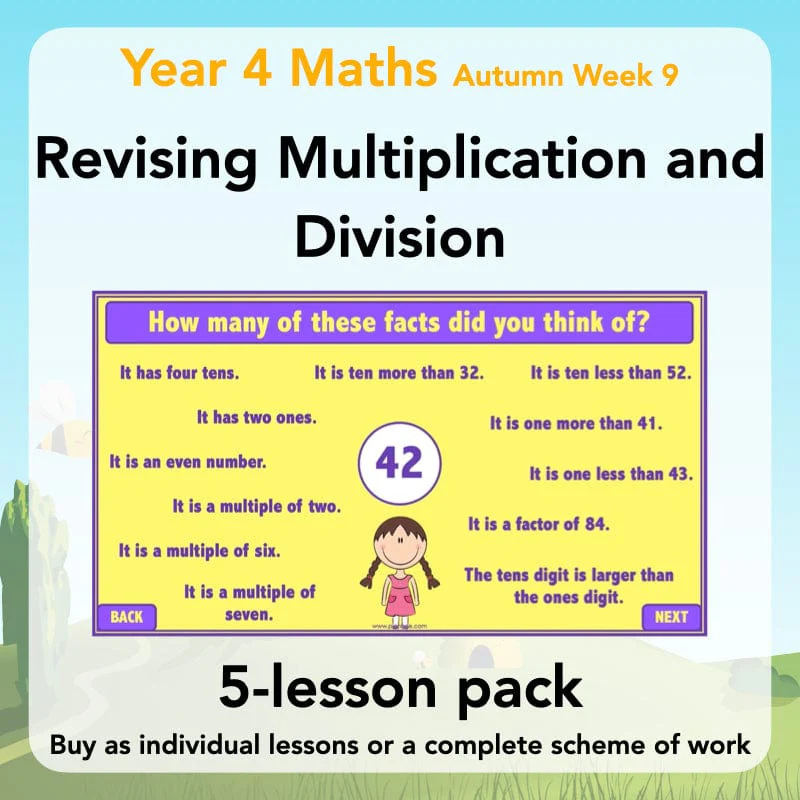
Help your children to develop their understanding of and confidence in different multiplication and division methods. Encourage them to apply their knowledge and explain their reasoning in a range of fun activities, exciting games and challenging challenges!
Each lesson comes with an easy-to-follow lesson plan, an informative slideshow presentation for the teaching input, and differentiated worksheets.
Multiplying by Multiples of 10 and 100
In this first lesson, children will recap on how to multiply numbers by 10 and 100. They will be encouraged to explain what happens to the digits in each number, and discuss the misconception that you always ‘just add a zero’. Children will then learn how to apply this understanding in order to multiply numbers by multiples of 10 and 100. In their independent activities, they will work in small groups or pairs to solve tarsia puzzles. Alternatively they will be challenged to find what other number facts they know based on one given number sentence.
What's included:
- Lesson plan
- Slides
- Activity ideas
- Differentiated worksheets
- Tarsia Puzzle Sheets
- Number Sentence List
- Reasoning Sheet
View Lesson 1
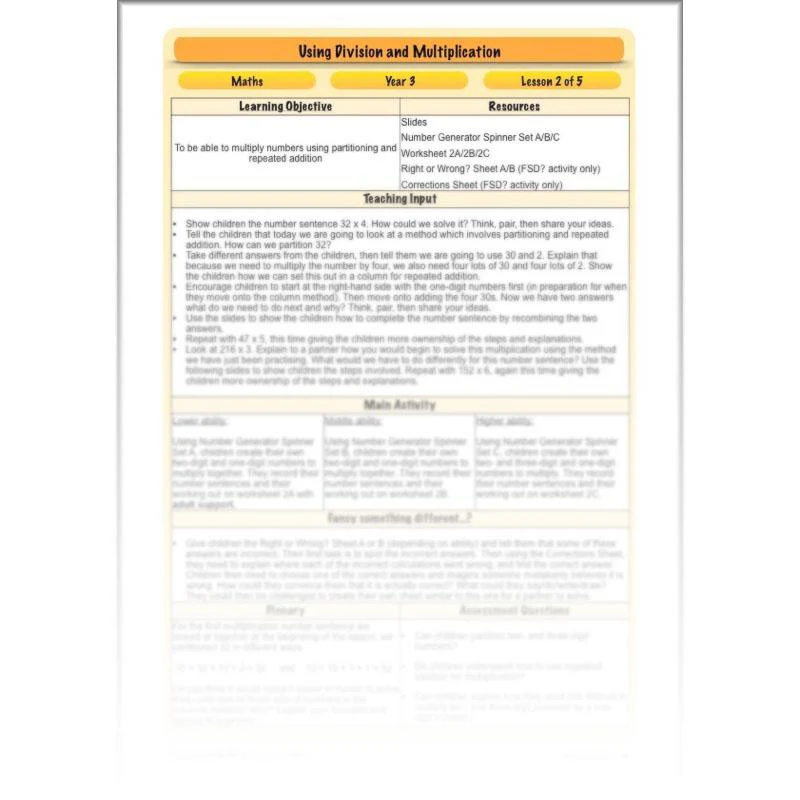
Partitioning and Repeated Addition
Children will apply their knowledge of partitioning and repeated addition to multiply two- and three-digit numbers by a one-digit number. They will start to use the column method for adding numbers, and will be encouraged to explain the different steps needed when using this strategy. In their independent activities, children will use spinners to generate and then solve their own number sentences, or alternatively they will identify calculations which contain errors, and correct them.
What's included:
- Lesson plan
- Slides
- Activity ideas
- Differentiated worksheets
- Number Generator Spinner Sets
- Right or Wrong? Sheet
- Corrections Sheet
View Lesson 2
Introducing the Grid Method
In this lesson, children will be introduced to the grid method for solving number sentences involving multiplying larger two-digit numbers by a one-digit number. They will learn how to enter the information needed into the grid, and where to place their answers before recombining them. In their independent activities they will work in groups and become ‘solvers’ and ‘checkers’ to find the answers to given grid method multiplications. Alternatively, children will use the grid method to investigate which number sentences will give them the highest and lowest answers.
What's included:
- Lesson plan
- Slides
- Activity ideas
- Differentiated worksheets
- Grid Method Cards
- Grid Method Investigation Sheet
View Lesson 3
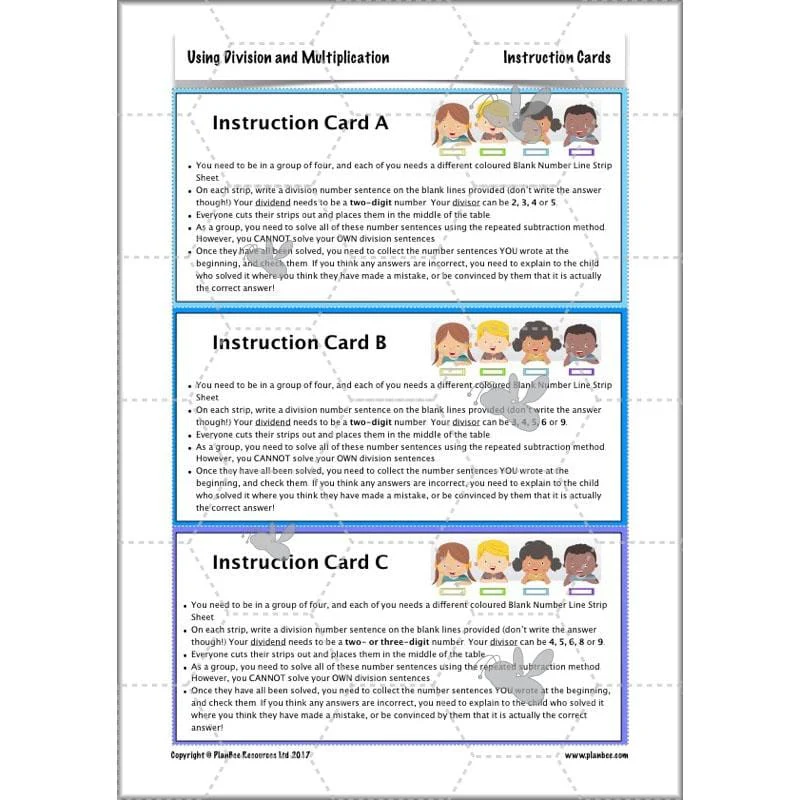
Repeated Subtraction for Division
Children will recap on how to use repeated subtraction on a number line to solve number sentences where they are dividing two- and three-digit numbers by a one-digit number, including those that give rise to remainders. They will be encouraged to think about where mistakes could be made when using this method, and discuss how they can ensure that they themselves do not make these errors. In their independent activities, children will solve division number sentences using this method, and then self-check their answers.
What's included:
- Lesson plan
- Slides
- Activity ideas
- Differentiated worksheets
- Blank Number Lines Strips Sheet
- Instructions Cards
View Lesson 4
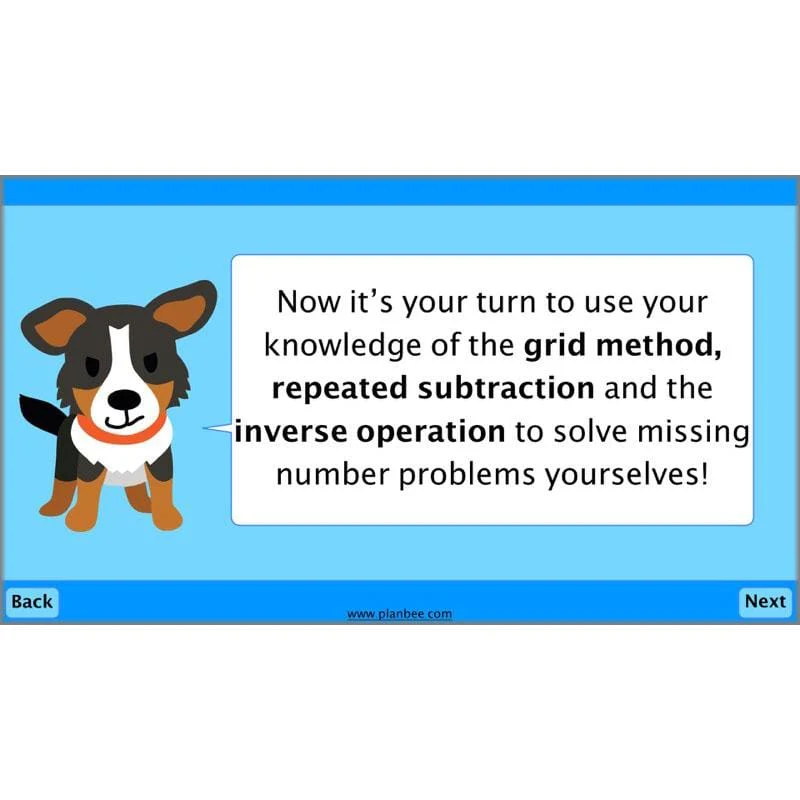
Missing Number Problems
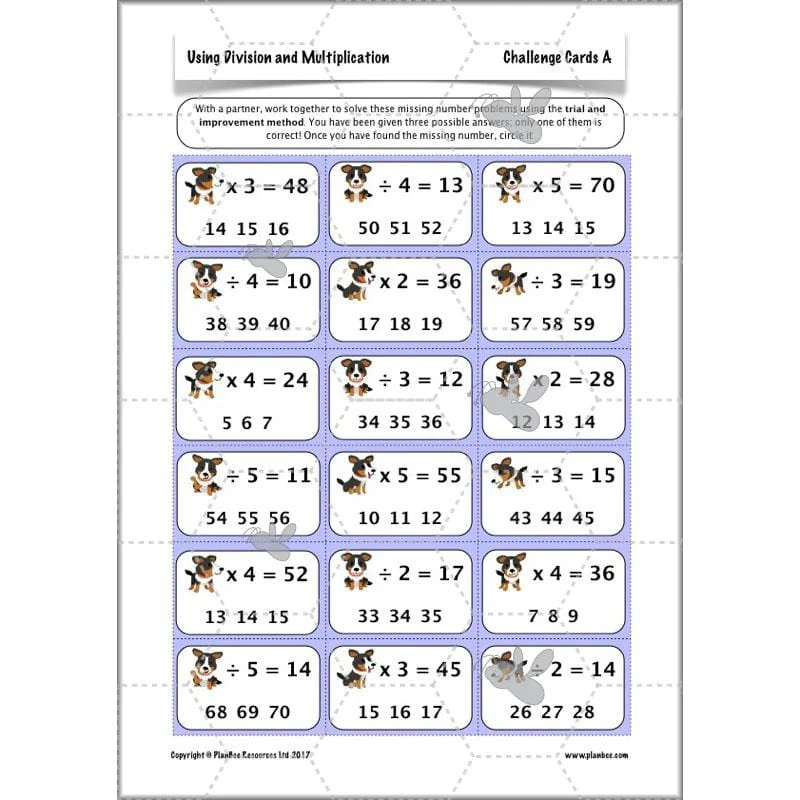
In this final lesson, children will recap on the methods they have used for multiplication and division over the last few lessons. They will then compare and contrast two methods for finding a missing number in a sentence – trial and improvement, and using the inverse operation. In their independent activities, children will be encouraged to use the inverse operation when playing the What’s Missing? board game, or in the alternate activity, they will use the trial and improvement method to find missing numbers.
What's included:
- Lesson plan
- Slides
- Activity ideas
- Differentiated worksheets
- What’s Missing? Game
- What’s Missing? Instructions Card
- Blank Number Lines Sheet
- Blank Grid Method Boxes Sheet
- Challenge Cards
View Lesson 5
Original: $4.65
-65%$4.65
$1.63














Description
Help your children to develop their understanding of and confidence in different multiplication and division methods. Encourage them to apply their knowledge and explain their reasoning in a range of fun activities, exciting games and challenging challenges!
Each lesson comes with an easy-to-follow lesson plan, an informative slideshow presentation for the teaching input, and differentiated worksheets.
Multiplying by Multiples of 10 and 100
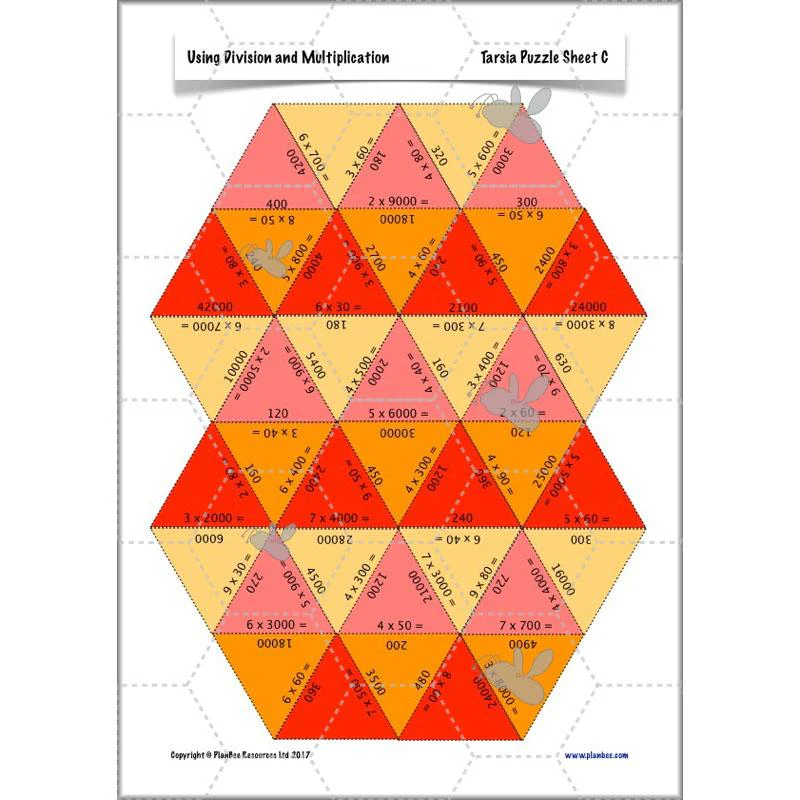
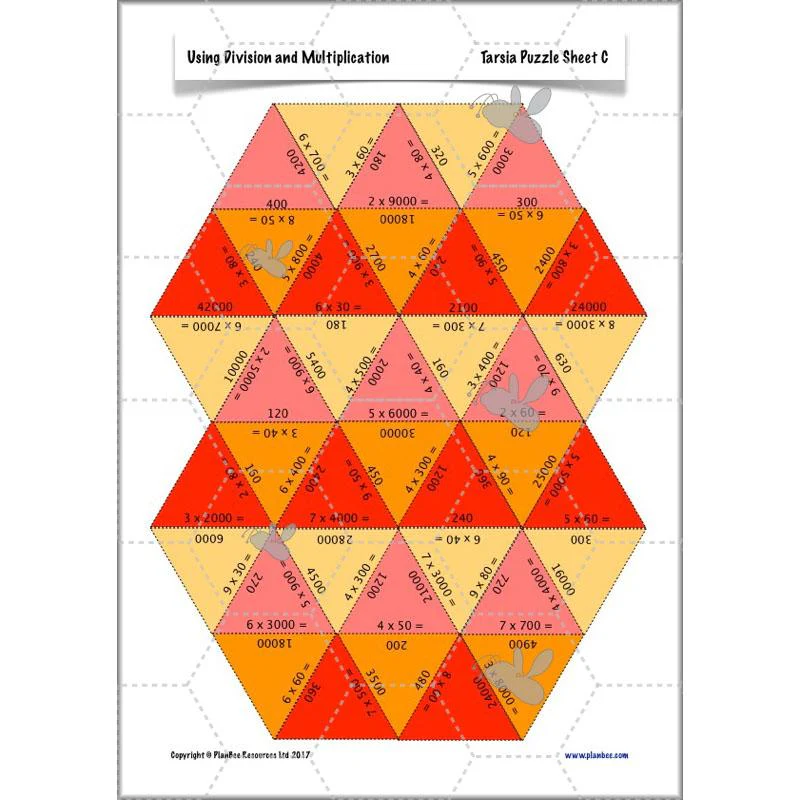
In this first lesson, children will recap on how to multiply numbers by 10 and 100. They will be encouraged to explain what happens to the digits in each number, and discuss the misconception that you always ‘just add a zero’. Children will then learn how to apply this understanding in order to multiply numbers by multiples of 10 and 100. In their independent activities, they will work in small groups or pairs to solve tarsia puzzles. Alternatively they will be challenged to find what other number facts they know based on one given number sentence.
What's included:
- Lesson plan
- Slides
- Activity ideas
- Differentiated worksheets
- Tarsia Puzzle Sheets
- Number Sentence List
- Reasoning Sheet
View Lesson 1
Partitioning and Repeated Addition
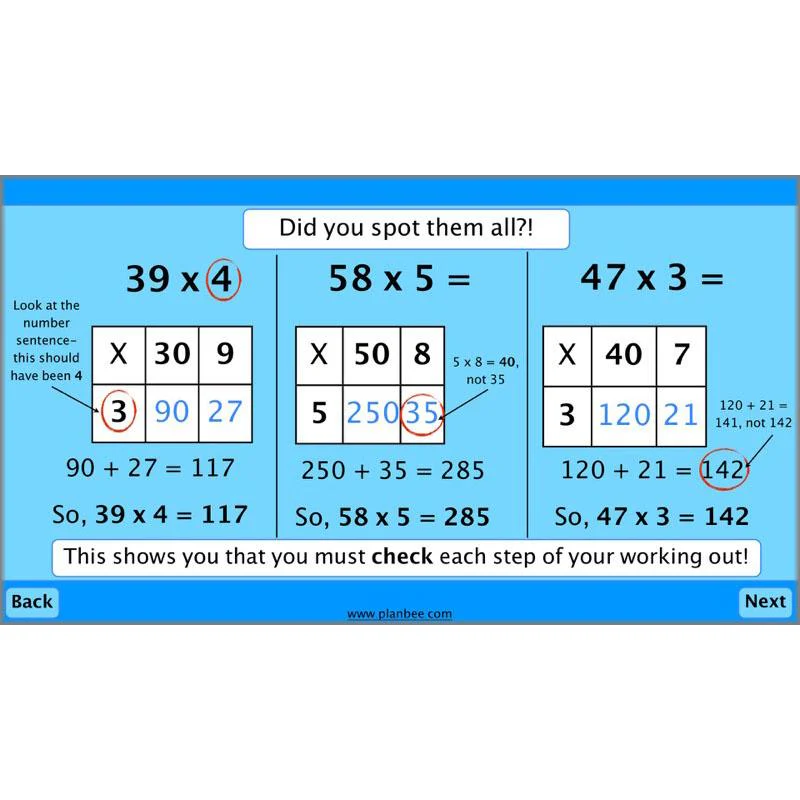
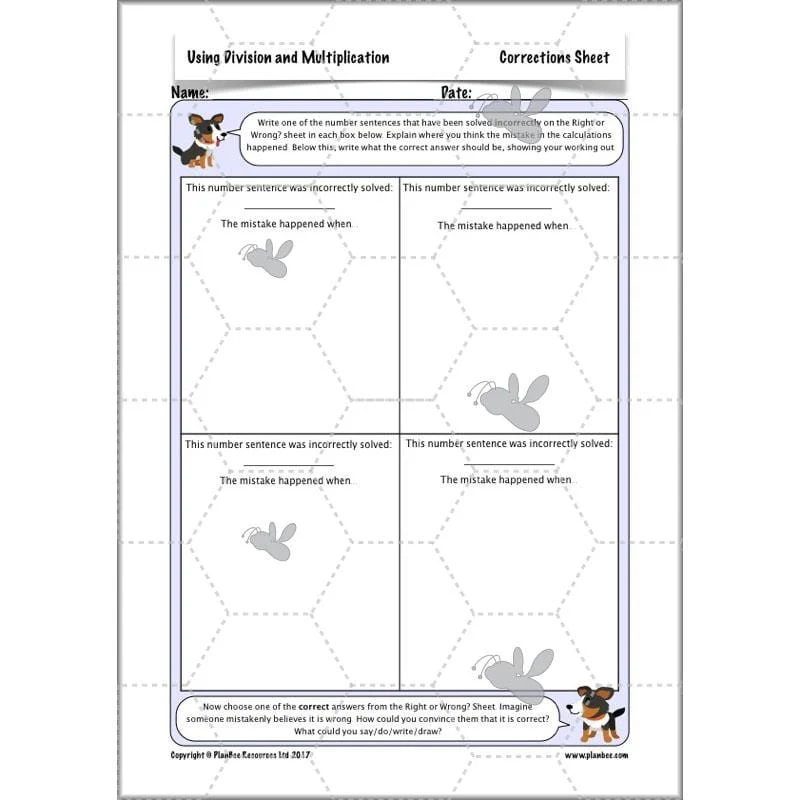
Children will apply their knowledge of partitioning and repeated addition to multiply two- and three-digit numbers by a one-digit number. They will start to use the column method for adding numbers, and will be encouraged to explain the different steps needed when using this strategy. In their independent activities, children will use spinners to generate and then solve their own number sentences, or alternatively they will identify calculations which contain errors, and correct them.
What's included:
- Lesson plan
- Slides
- Activity ideas
- Differentiated worksheets
- Number Generator Spinner Sets
- Right or Wrong? Sheet
- Corrections Sheet
View Lesson 2
Introducing the Grid Method
In this lesson, children will be introduced to the grid method for solving number sentences involving multiplying larger two-digit numbers by a one-digit number. They will learn how to enter the information needed into the grid, and where to place their answers before recombining them. In their independent activities they will work in groups and become ‘solvers’ and ‘checkers’ to find the answers to given grid method multiplications. Alternatively, children will use the grid method to investigate which number sentences will give them the highest and lowest answers.
What's included:
- Lesson plan
- Slides
- Activity ideas
- Differentiated worksheets
- Grid Method Cards
- Grid Method Investigation Sheet
View Lesson 3
Repeated Subtraction for Division
Children will recap on how to use repeated subtraction on a number line to solve number sentences where they are dividing two- and three-digit numbers by a one-digit number, including those that give rise to remainders. They will be encouraged to think about where mistakes could be made when using this method, and discuss how they can ensure that they themselves do not make these errors. In their independent activities, children will solve division number sentences using this method, and then self-check their answers.
What's included:
- Lesson plan
- Slides
- Activity ideas
- Differentiated worksheets
- Blank Number Lines Strips Sheet
- Instructions Cards
View Lesson 4
Missing Number Problems
In this final lesson, children will recap on the methods they have used for multiplication and division over the last few lessons. They will then compare and contrast two methods for finding a missing number in a sentence – trial and improvement, and using the inverse operation. In their independent activities, children will be encouraged to use the inverse operation when playing the What’s Missing? board game, or in the alternate activity, they will use the trial and improvement method to find missing numbers.
What's included:
- Lesson plan
- Slides
- Activity ideas
- Differentiated worksheets
- What’s Missing? Game
- What’s Missing? Instructions Card
- Blank Number Lines Sheet
- Blank Grid Method Boxes Sheet
- Challenge Cards
View Lesson 5