Where does our food come from?
Take your children on a journey around the world, visiting farms in temperate, tropical, and Mediterranean climates. This exciting, new scheme of work teaches children about the locational language used to describe locations around the world. They will also learn about the climate conditions in a range of different biomes, how food is produced, traded, and transported and how fair trade organisations help farmers.
With lesson plans, differentiated worksheets, colourful, detailed slides and a choice of activity with every lesson, this scheme of work has everything you need to teach your children about the origins of the food they eat.
You might also like our Food Glorious Food Topic Bundle – food-themed schemes of work across a range of subjects.
Breakfast
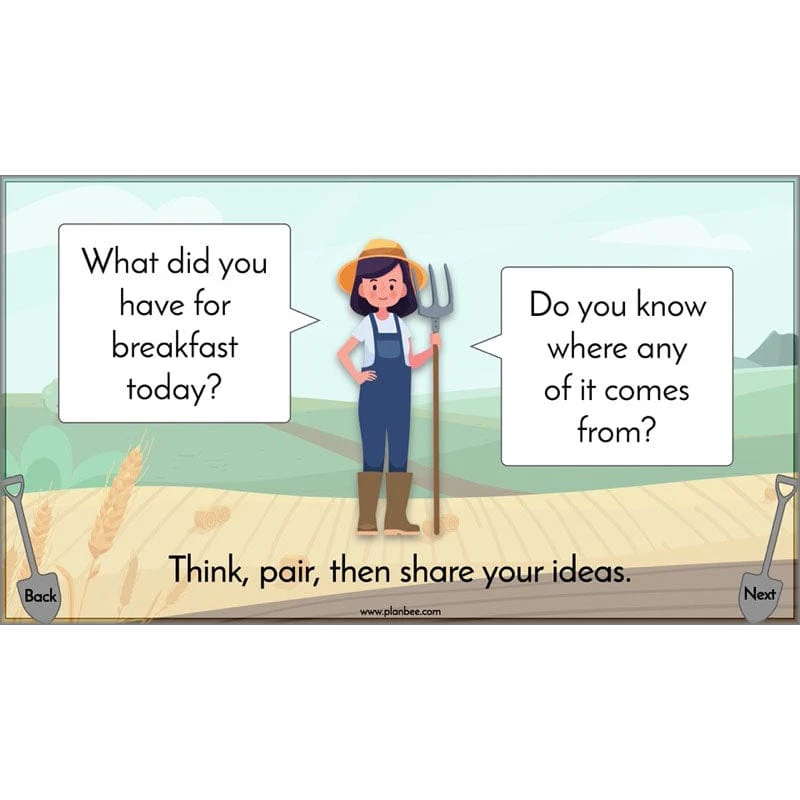
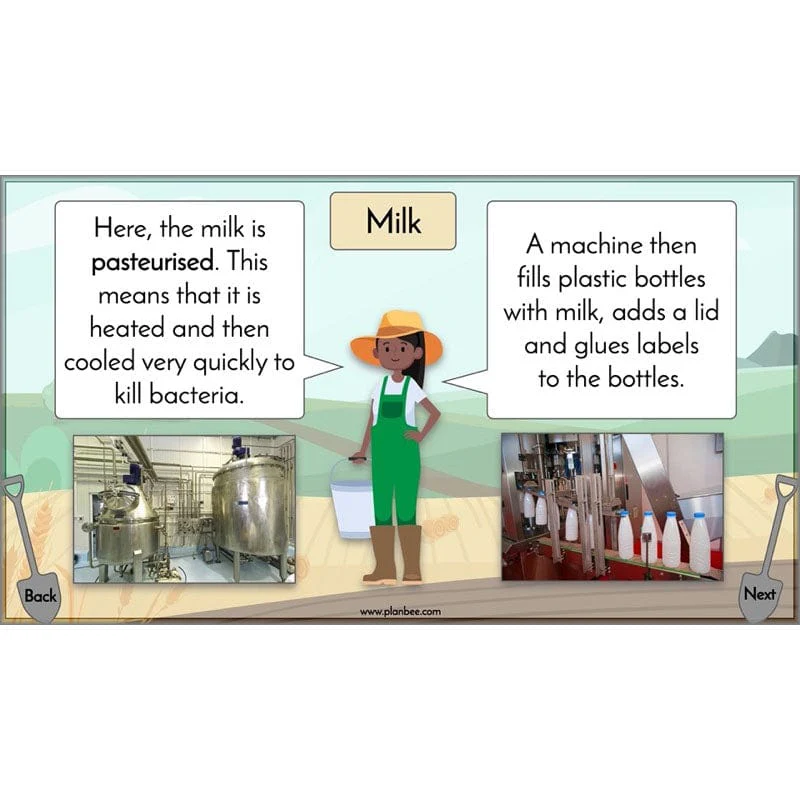
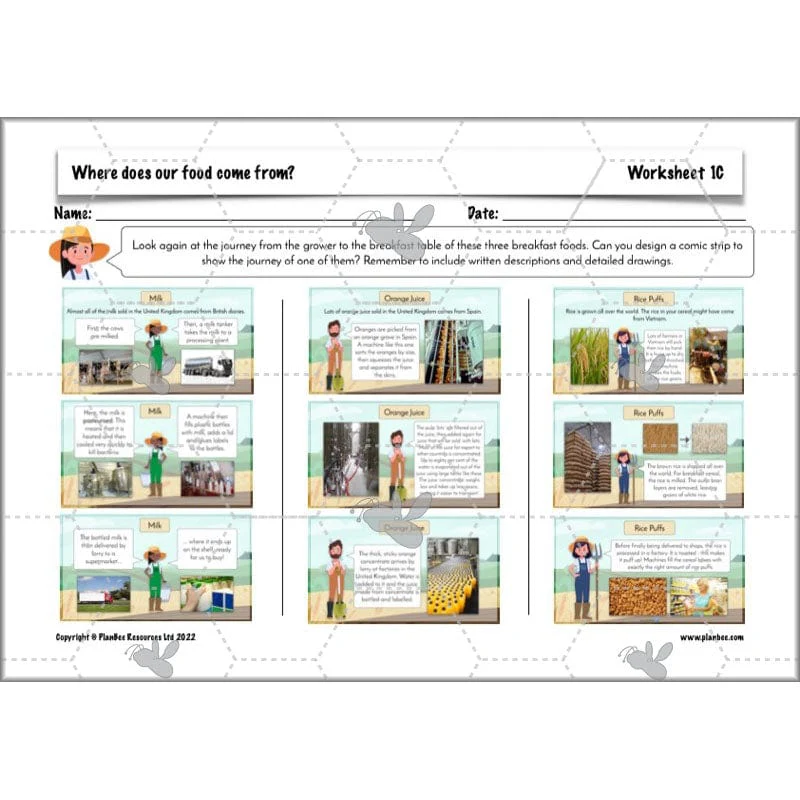
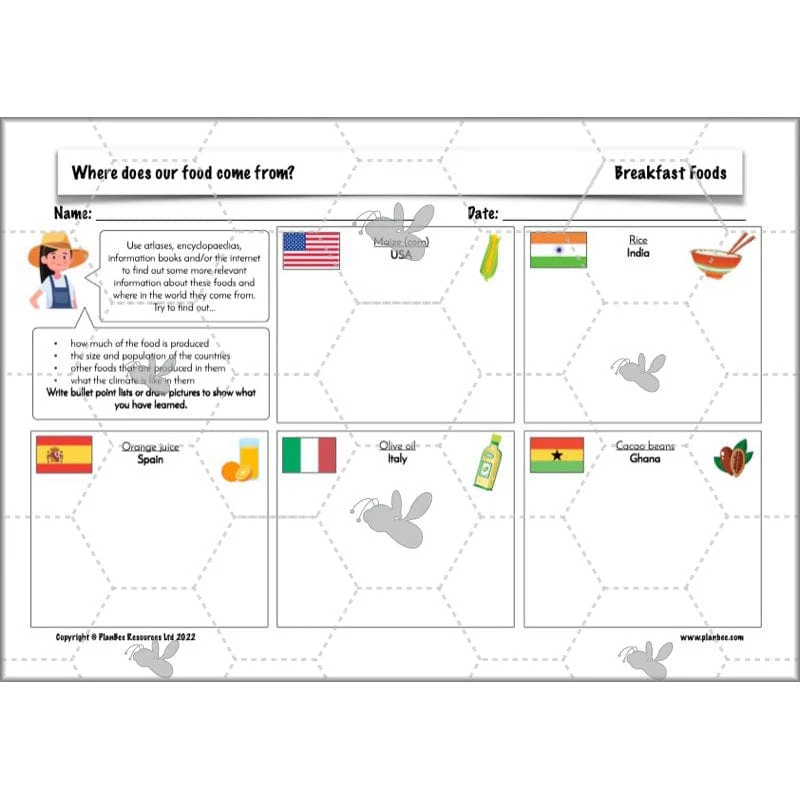
In this lesson, children will learn about the origins of some breakfast foods, as well as how they are traded and transported around the world. They will think about where common breakfast foods come from, such as milk and orange juice, and consider where in the world it came from and what had to happen to it before it could be served to them at the breakfast table.
What's included:
- Lesson plan
- Slides
- Activity ideas
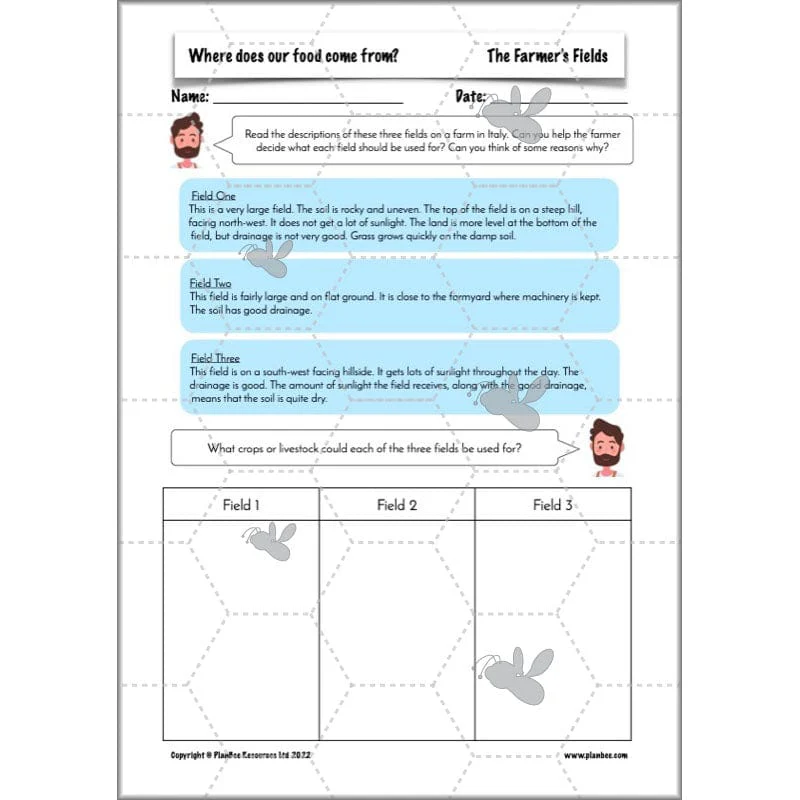
- Differentiated worksheets
View Lesson 1
Wheat
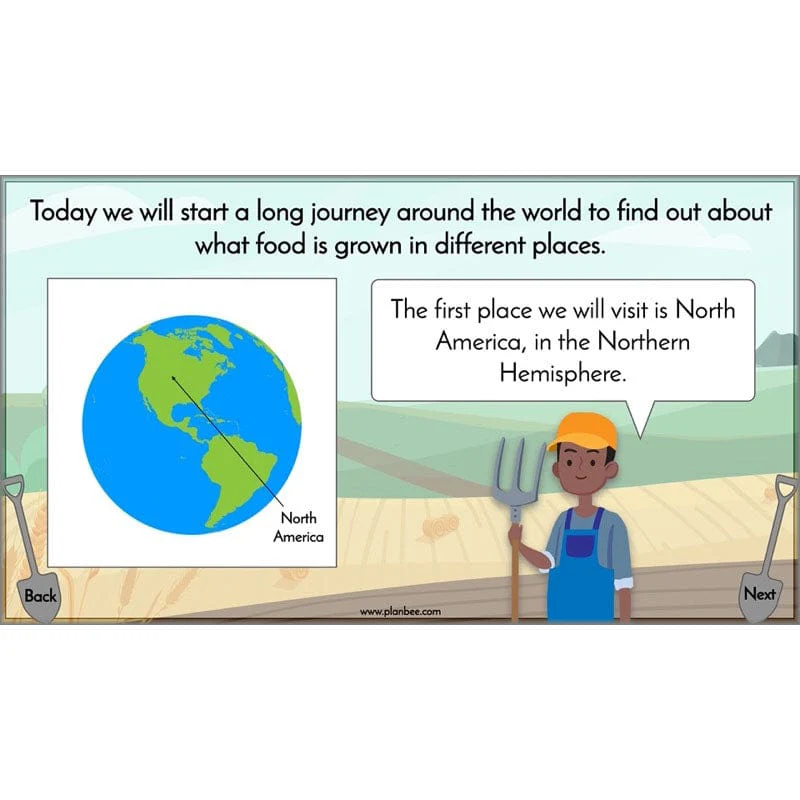
In this lesson, children will find out about some of the different climate zones around the world., focussing particularly on temperate climate zones. They will look at farms in Kansas, USA to explore how farmers in temperate climates grow and harvest wheat and other crops before distributing them around the world.
What's included:
- Lesson plan
- Slides
- Activity ideas
- Differentiated worksheets
- Traveling through Time Zones sheet
- Food cards
- Ingredient cards
View Lesson 2
Bananas
Your children will learn all about the conditions in tropical climate zones in this lesson, as well as how bananas are grown and shipped to the United Kingdom. They will then go on to learn about fair trade organisations and how they help farmers.
What's included:
- Lesson plan
- Slides
- Activity ideas
- Differentiated worksheets
- Fair trade sheet
View Lesson 3
Rice
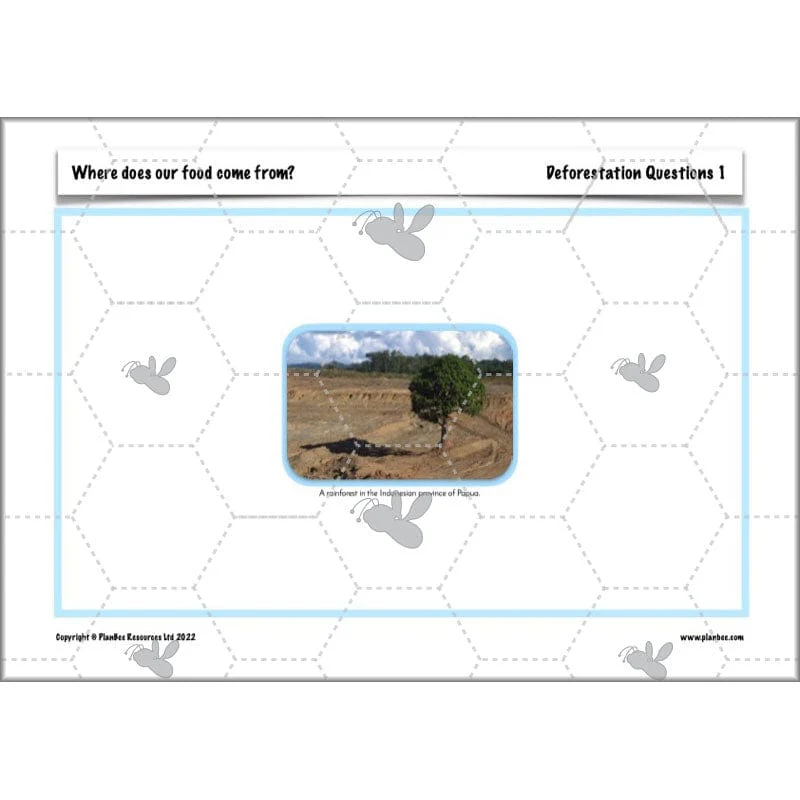
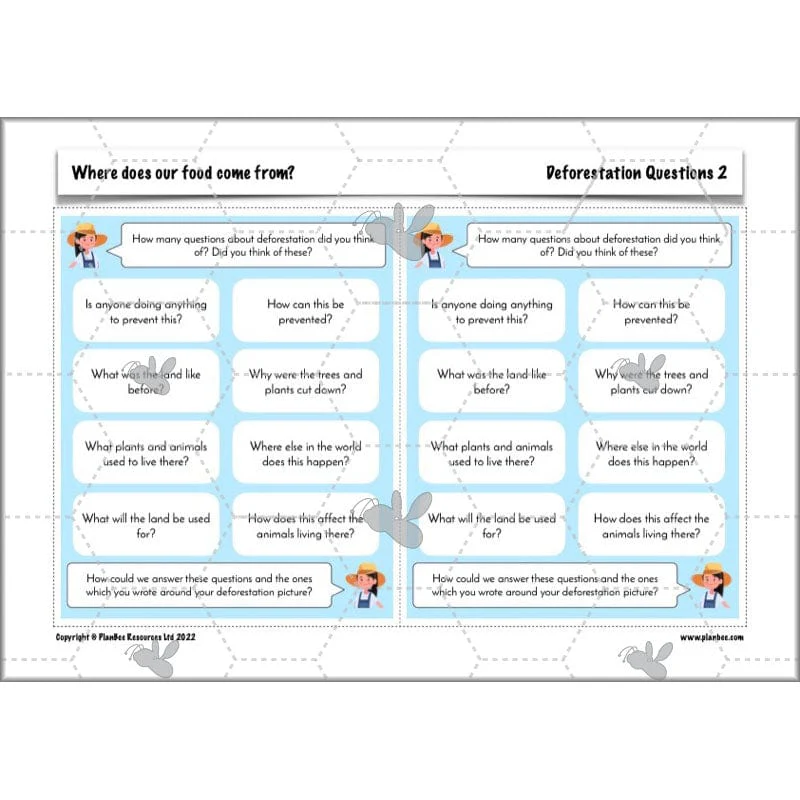
This lesson focuses on food production in the tropical country of Indonesia. Children will find out about how land is used to grow rice and consider some of the consequences of deforestation to make space for more farmland.
What's included:
- Lesson plan
- Slides
- Activity ideas
- Differentiated worksheets
- Deforestation statements sheet
- Deforestation question sheets
View Lesson 4
United Kingdom
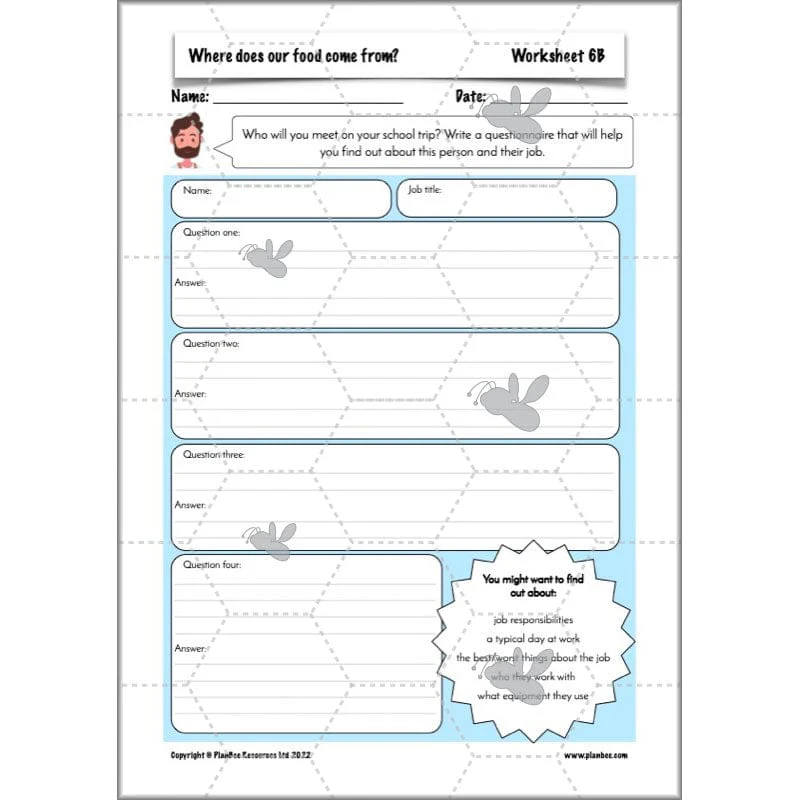
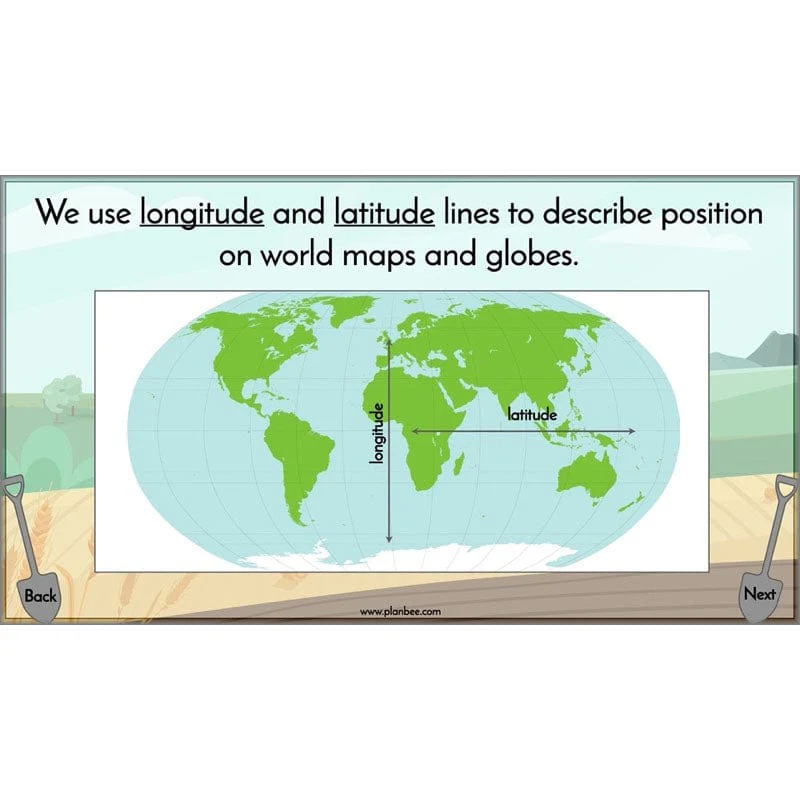
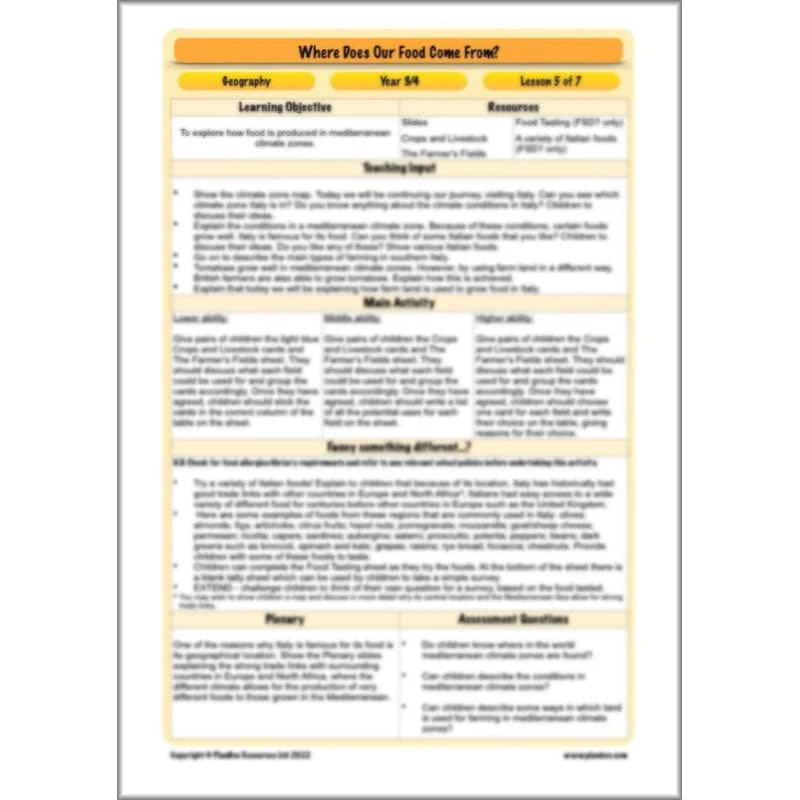
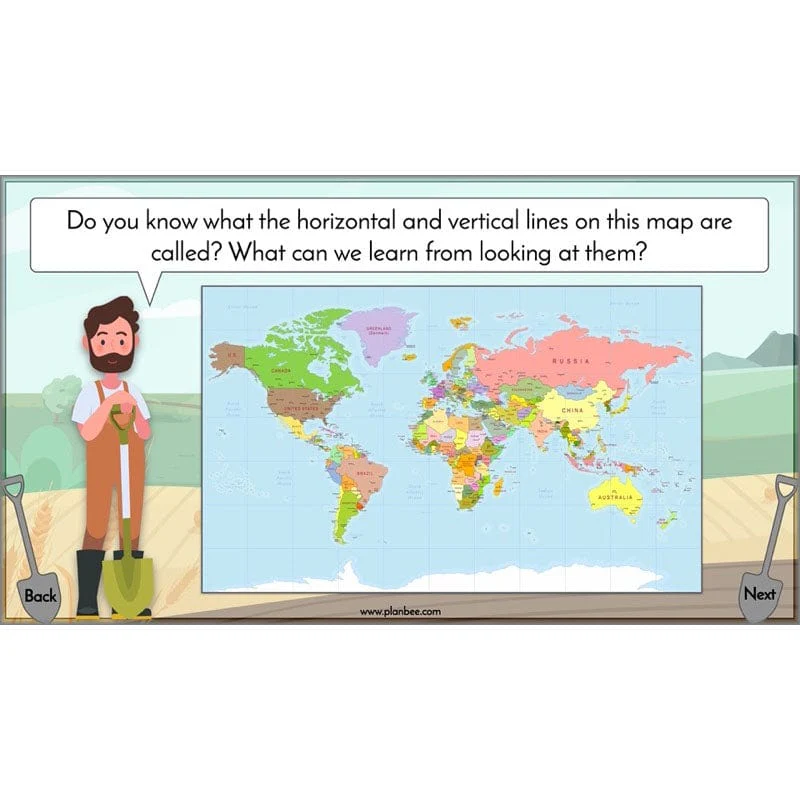
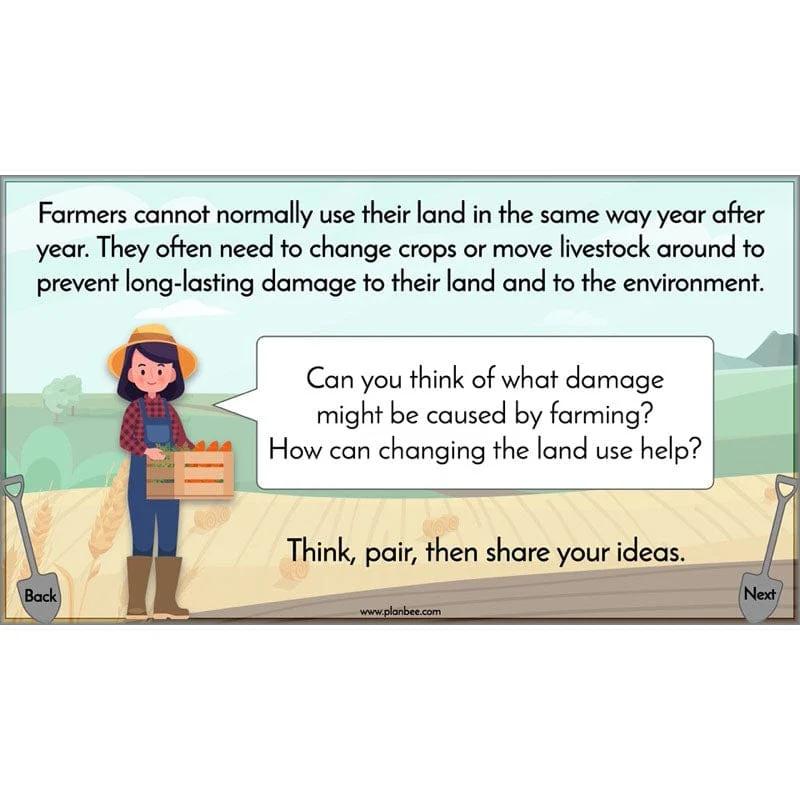
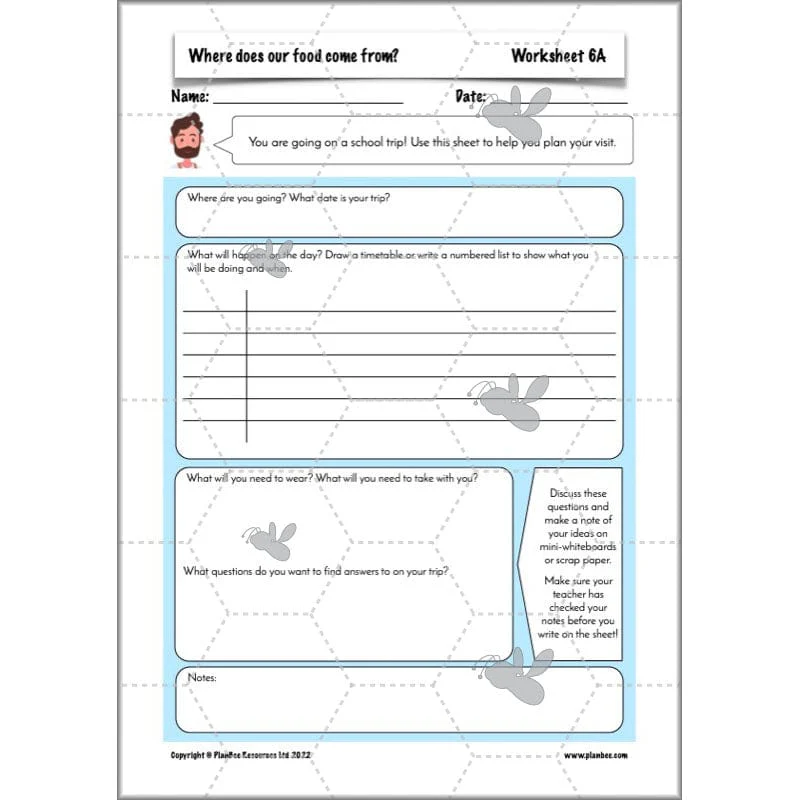
This lesson starts by recapping what lines of longitude and latitude are, and challenging children to locate the UK on a map. Your children will then go on to discover some of the different ways in which land is used by British farmers to grow crops and feed livestock. The plan includes a choice of activities, including preparing to visit a local farm or supermarket and a role-play activity.
What's included:
- Lesson plan
- Slides
- Activity ideas
- Differentiated worksheets
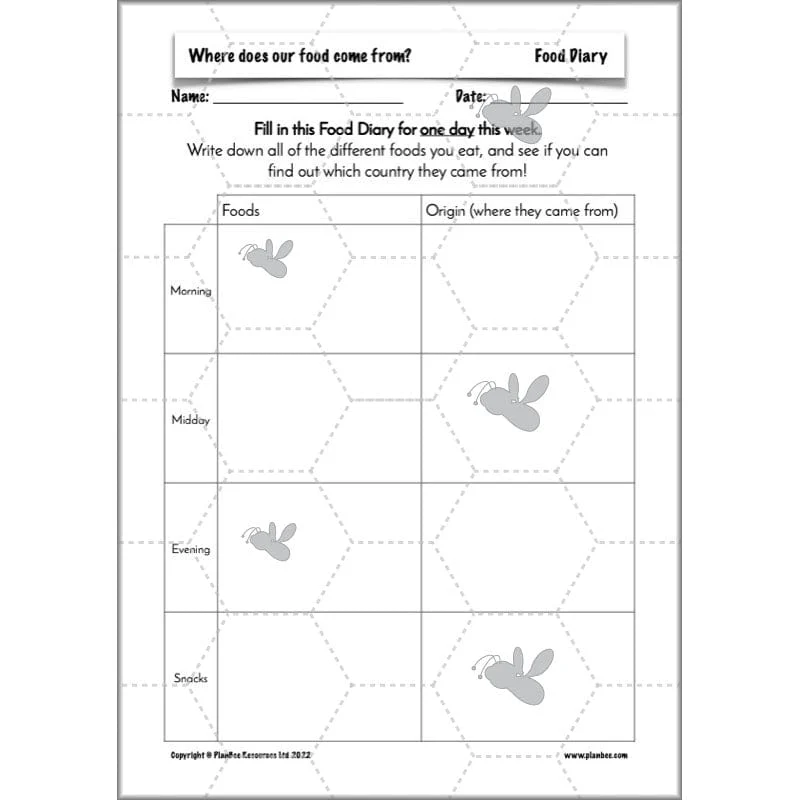
- Food diary sheet
- Farmer interview sheet
View Lesson 5
Infographics
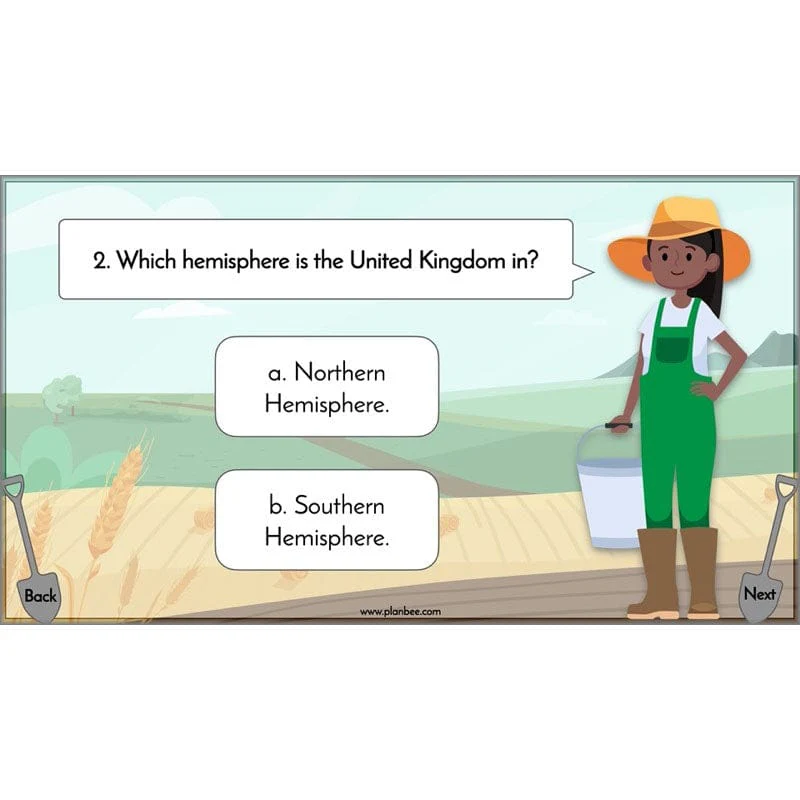
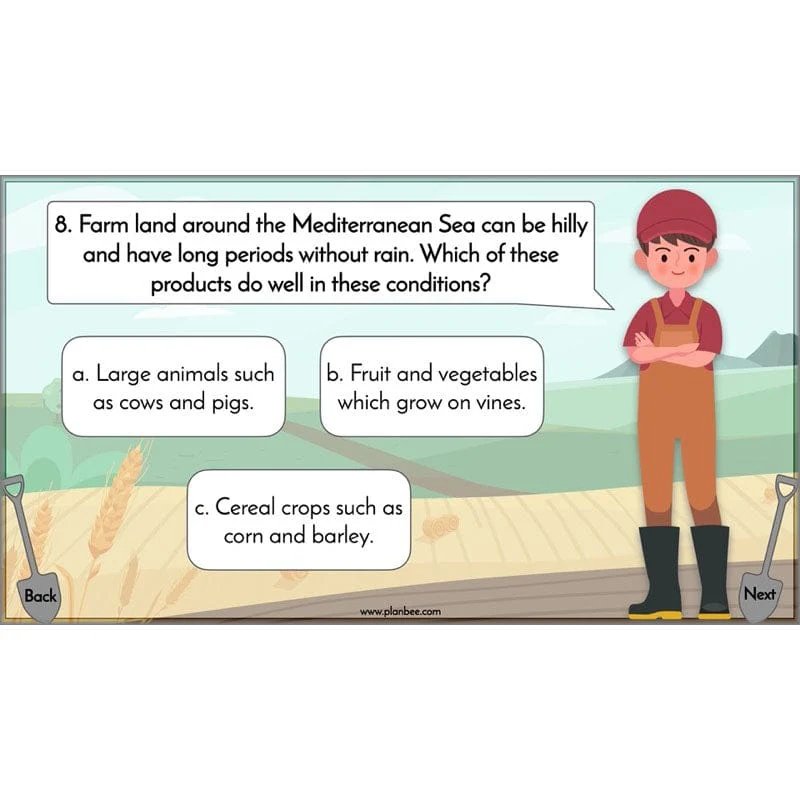
At the start of this lesson, children will be challenged to show what they already know about locational language and climate zones with a quick quiz. They will then go on to learn about how infographics are produced and how they can be used to share information about where our food comes from.
What's included:
- Lesson plan
- Slides
- Activity ideas
- Differentiated worksheets
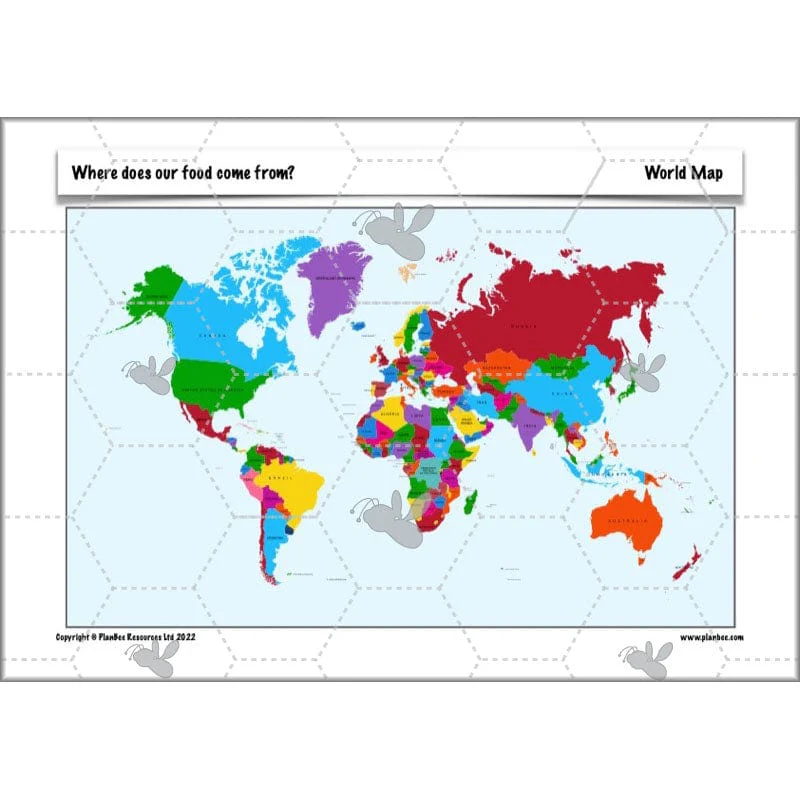
- World map sheet
- Challenge cards
View Lesson 6
Original: $2.65
-65%$2.65
$0.93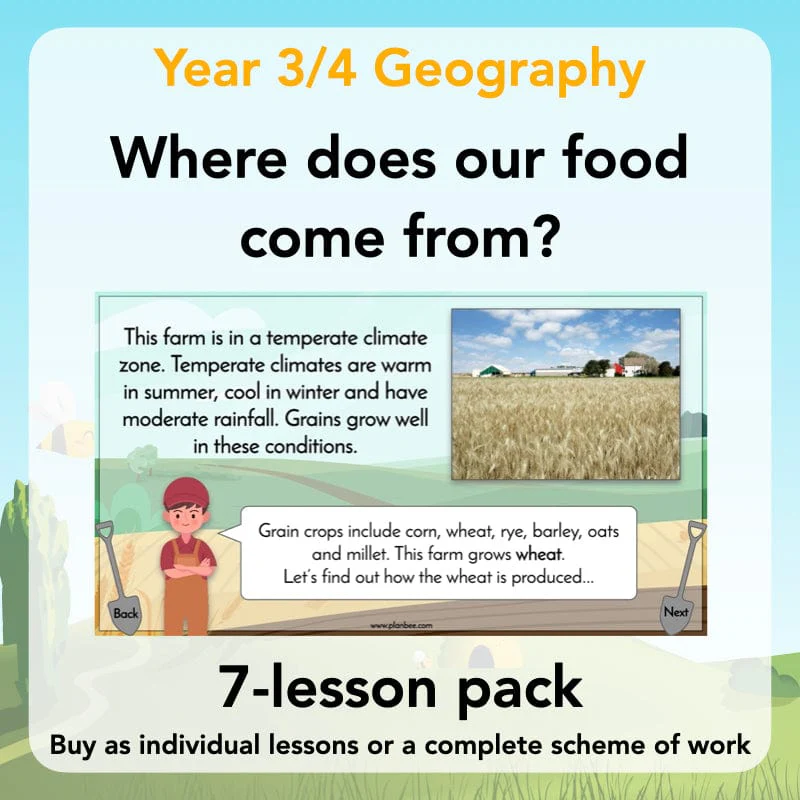



























Description
Take your children on a journey around the world, visiting farms in temperate, tropical, and Mediterranean climates. This exciting, new scheme of work teaches children about the locational language used to describe locations around the world. They will also learn about the climate conditions in a range of different biomes, how food is produced, traded, and transported and how fair trade organisations help farmers.
With lesson plans, differentiated worksheets, colourful, detailed slides and a choice of activity with every lesson, this scheme of work has everything you need to teach your children about the origins of the food they eat.
You might also like our Food Glorious Food Topic Bundle – food-themed schemes of work across a range of subjects.
Breakfast
In this lesson, children will learn about the origins of some breakfast foods, as well as how they are traded and transported around the world. They will think about where common breakfast foods come from, such as milk and orange juice, and consider where in the world it came from and what had to happen to it before it could be served to them at the breakfast table.
What's included:
- Lesson plan
- Slides
- Activity ideas
- Differentiated worksheets
View Lesson 1
Wheat
In this lesson, children will find out about some of the different climate zones around the world., focussing particularly on temperate climate zones. They will look at farms in Kansas, USA to explore how farmers in temperate climates grow and harvest wheat and other crops before distributing them around the world.
What's included:
- Lesson plan
- Slides
- Activity ideas
- Differentiated worksheets
- Traveling through Time Zones sheet
- Food cards
- Ingredient cards
View Lesson 2
Bananas
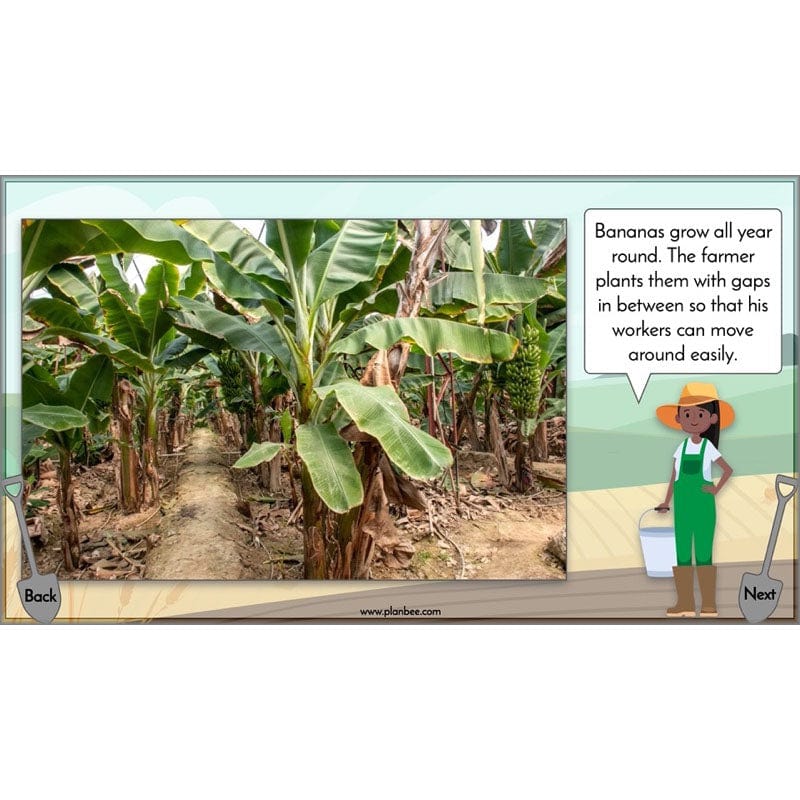
Your children will learn all about the conditions in tropical climate zones in this lesson, as well as how bananas are grown and shipped to the United Kingdom. They will then go on to learn about fair trade organisations and how they help farmers.
What's included:
- Lesson plan
- Slides
- Activity ideas
- Differentiated worksheets
- Fair trade sheet
View Lesson 3
Rice
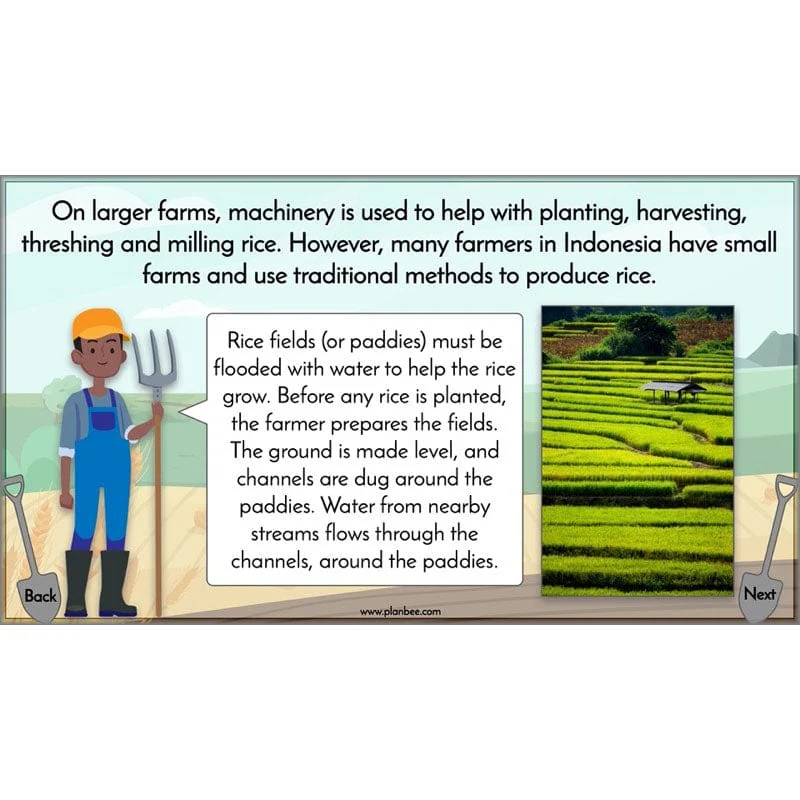
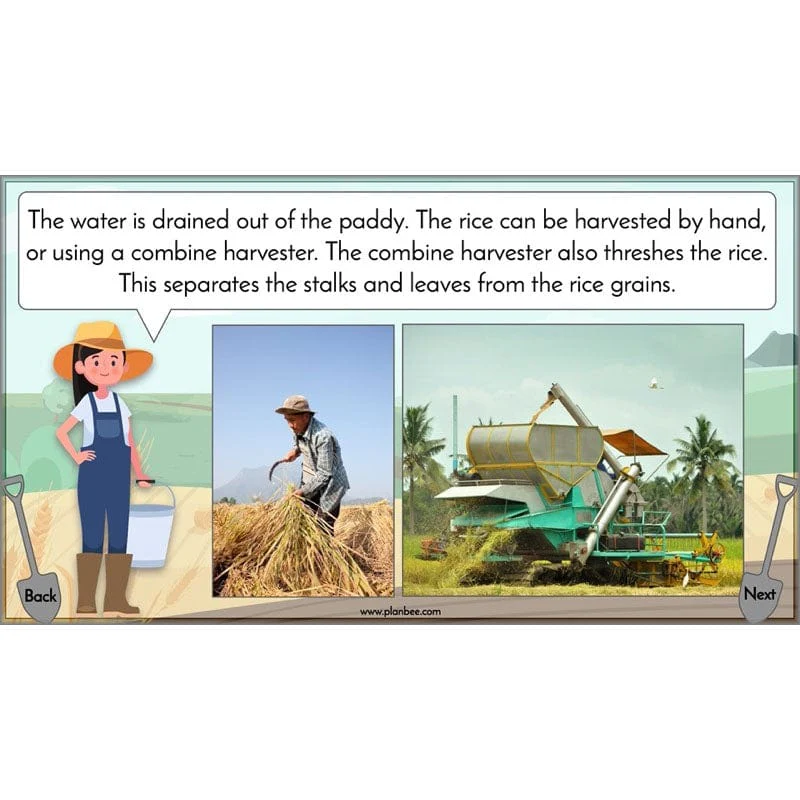
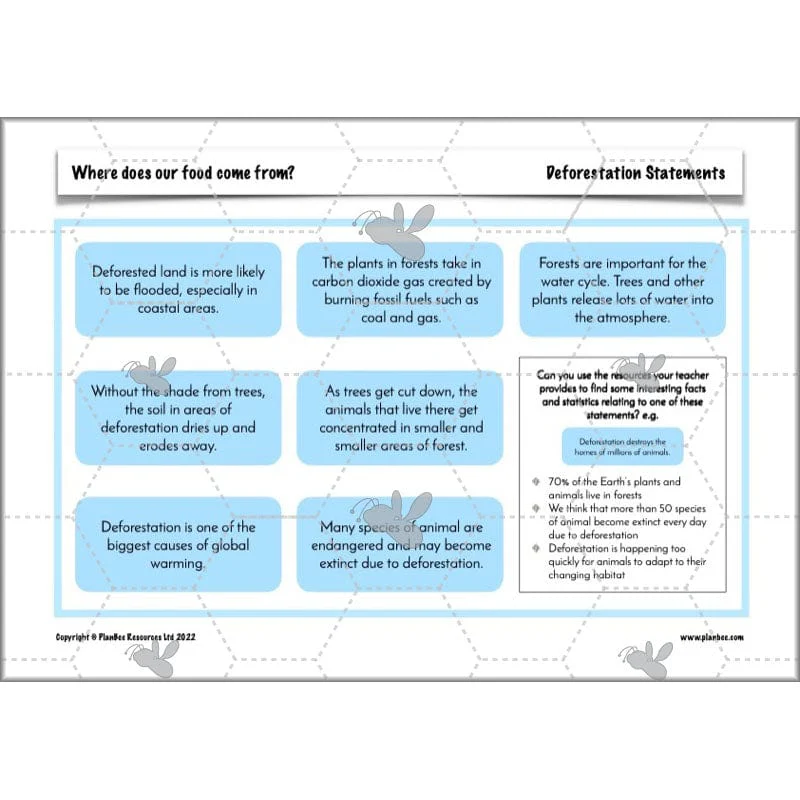
This lesson focuses on food production in the tropical country of Indonesia. Children will find out about how land is used to grow rice and consider some of the consequences of deforestation to make space for more farmland.
What's included:
- Lesson plan
- Slides
- Activity ideas
- Differentiated worksheets
- Deforestation statements sheet
- Deforestation question sheets
View Lesson 4
United Kingdom
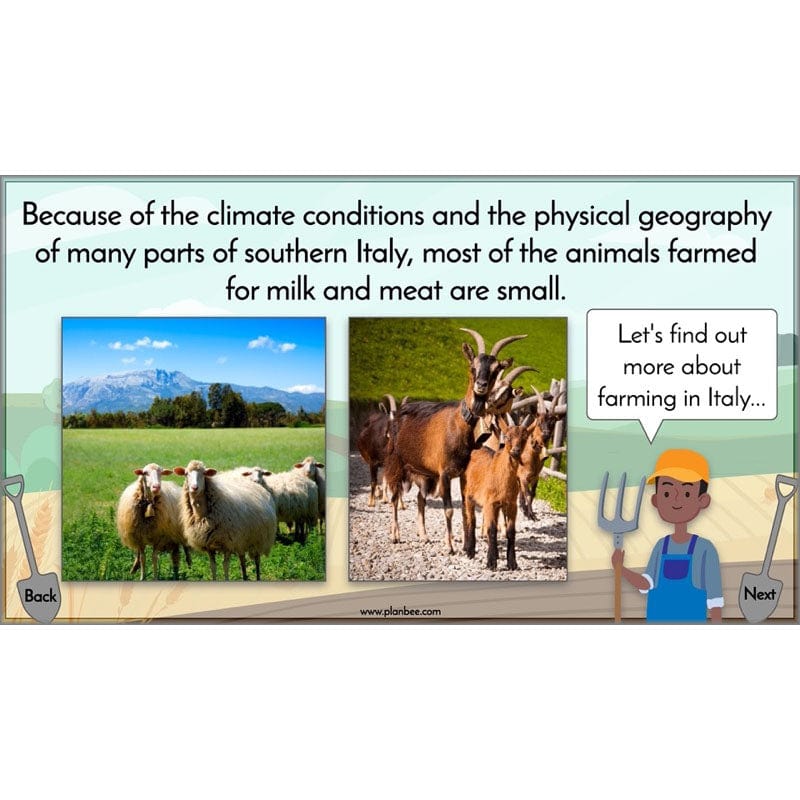
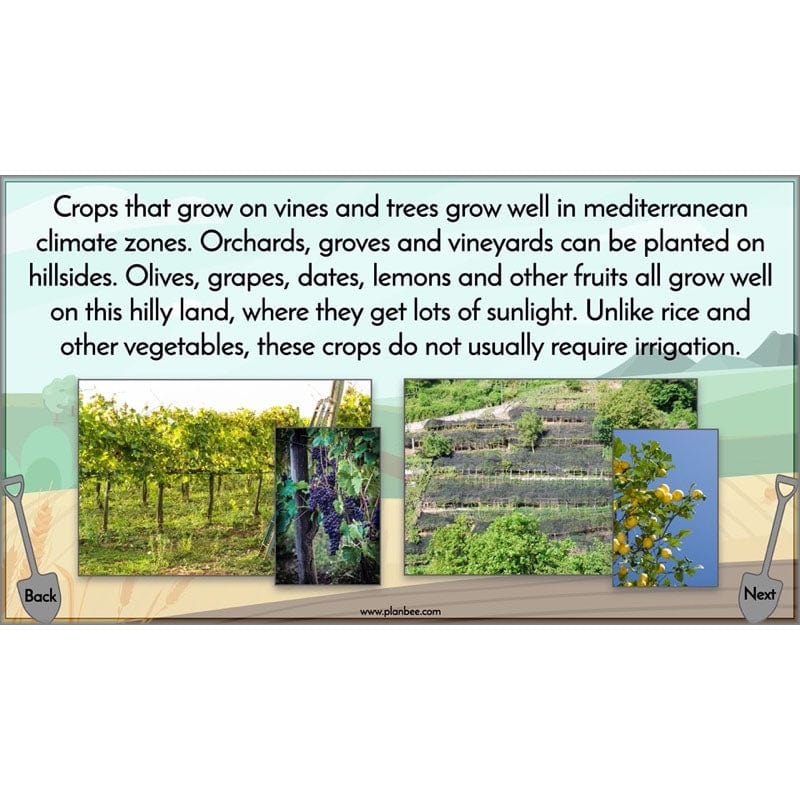
This lesson starts by recapping what lines of longitude and latitude are, and challenging children to locate the UK on a map. Your children will then go on to discover some of the different ways in which land is used by British farmers to grow crops and feed livestock. The plan includes a choice of activities, including preparing to visit a local farm or supermarket and a role-play activity.
What's included:
- Lesson plan
- Slides
- Activity ideas
- Differentiated worksheets
- Food diary sheet
- Farmer interview sheet
View Lesson 5
Infographics
At the start of this lesson, children will be challenged to show what they already know about locational language and climate zones with a quick quiz. They will then go on to learn about how infographics are produced and how they can be used to share information about where our food comes from.
What's included:
- Lesson plan
- Slides
- Activity ideas
- Differentiated worksheets
- World map sheet
- Challenge cards
View Lesson 6