Japanese Art
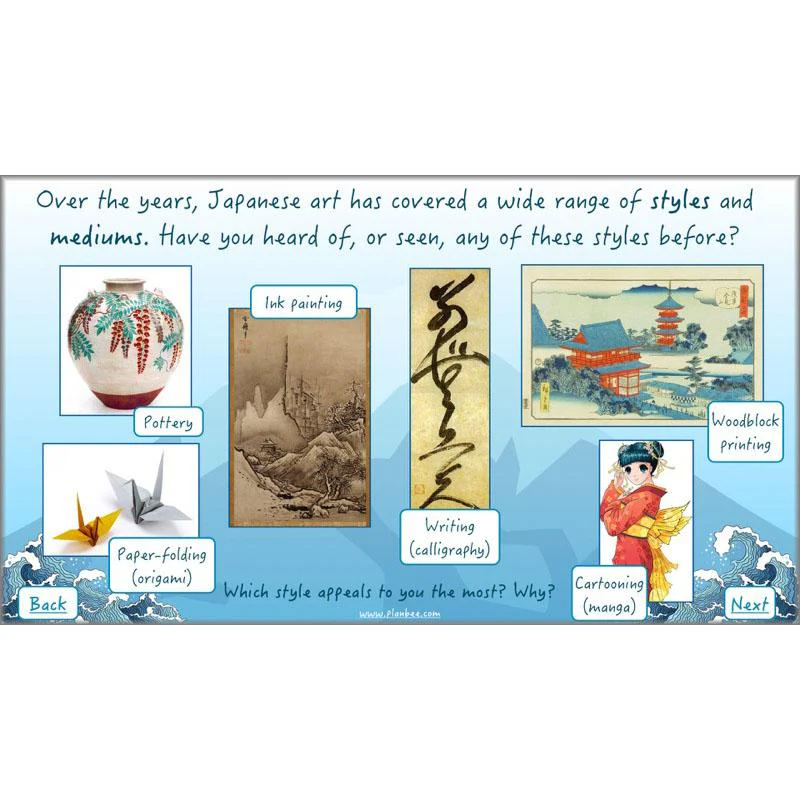
Explore the amazing and varied art of Japan with this informative and engaging scheme of work for Year 5/6. The lessons cover a broad range of styles, including block-printing (ukiyo-e), the concept of Notan, origami, calligraphy (shodo), folk art and even manga!
With detailed lesson plans, slides, and a range of printable resources, you will find everything you need to teach this Year 5/6 ‘Japanese Art’ scheme of work to your class, who will soon be creating their very own Japanese-inspired artworks!
Save up to 15% on this scheme of work by creating your own Mix and Match Japan Topic Bundle – perfect if you're looking for a cross-curricular approach to your teaching!
Lesson 1: Visual Elements
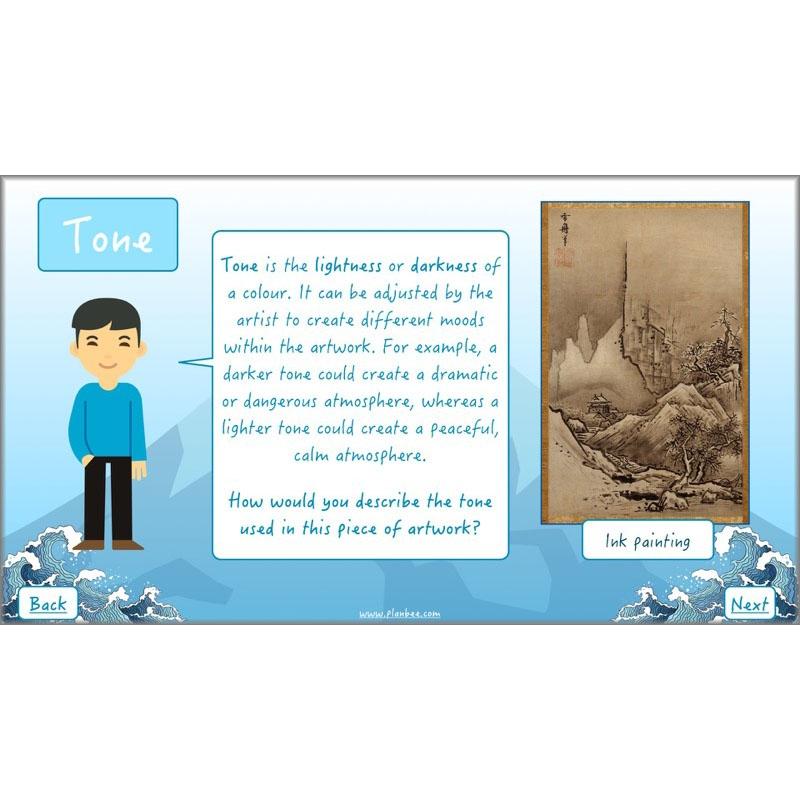
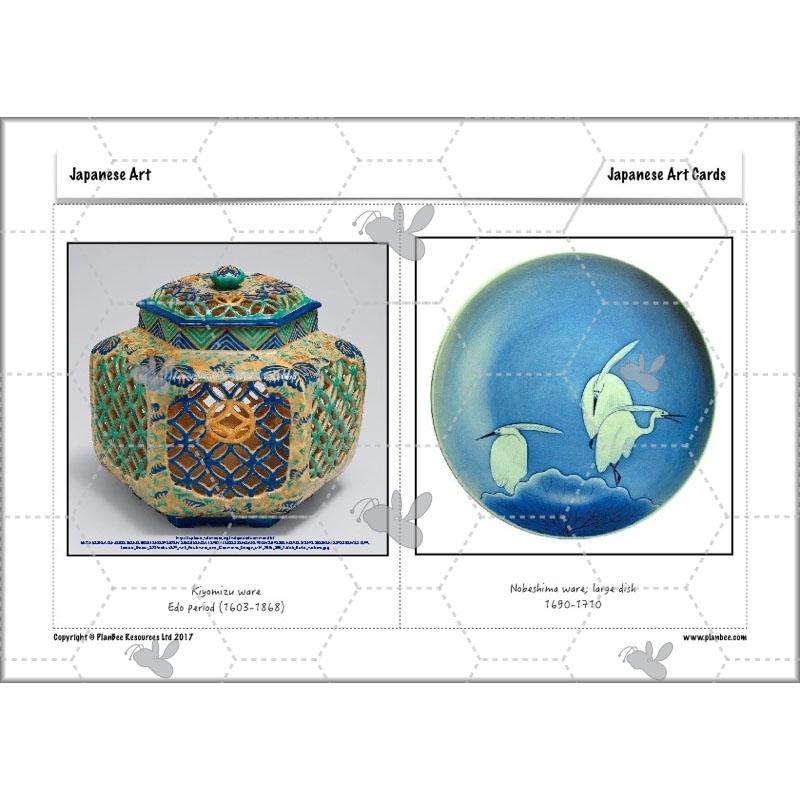
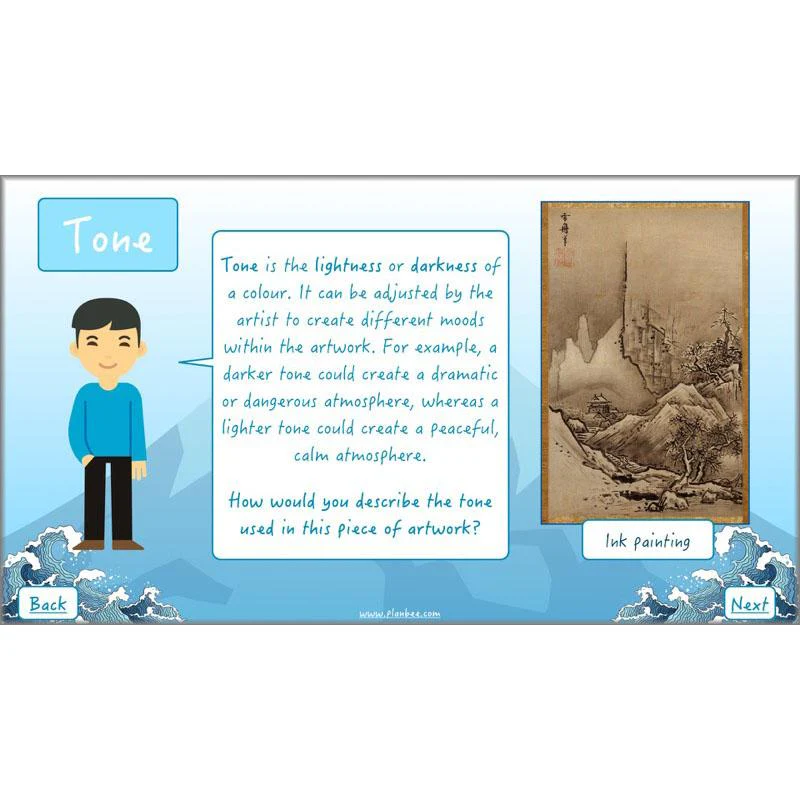
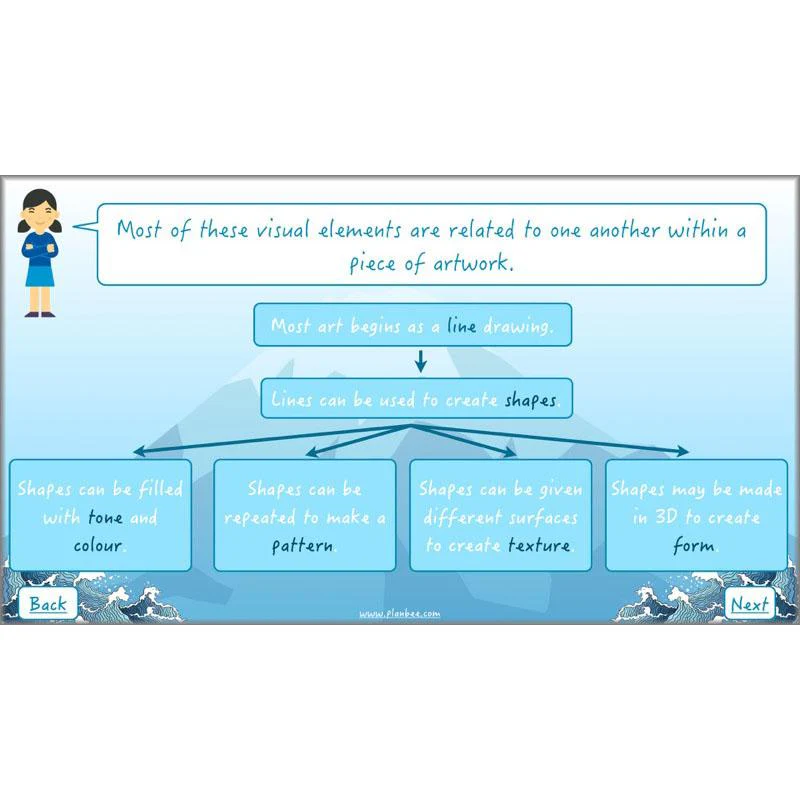
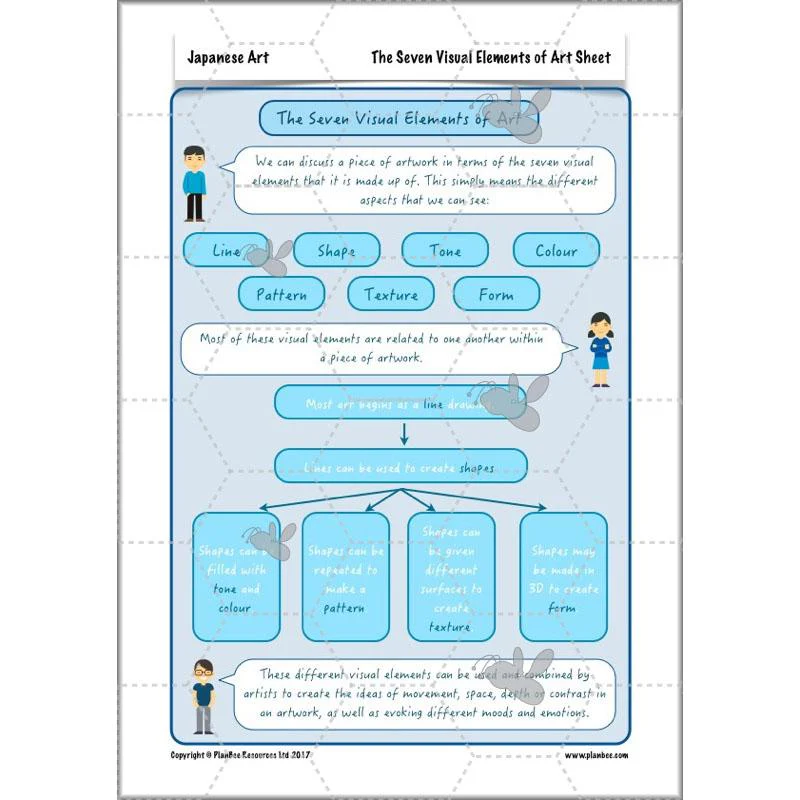
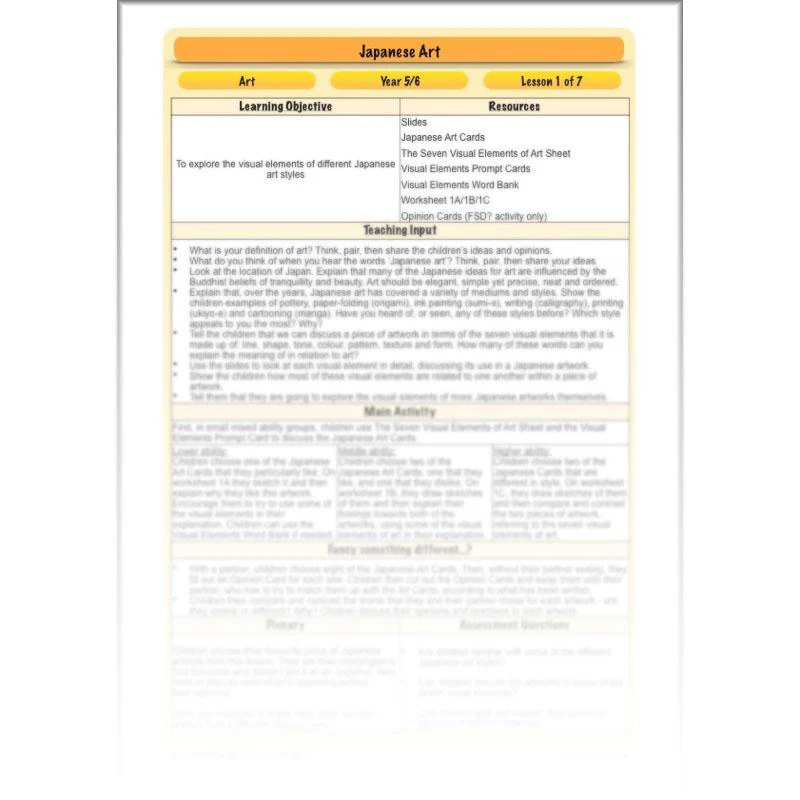
What is art? In this first lesson, children are introduced to the seven visual elements of art: line, shape, tone, colour, pattern, texture and form. They observe and discuss these elements within different styles of Japanese art, and are encouraged to give their own thoughts and opinions of a variety of different artworks, both as a class, in smaller groups and individually.
What's included:
- Lesson plan
- Slides
- Activity ideas
- Differentiated worksheets
- Japanese Art Cards
- The Seven Visual Elements of Art Sheet
- Visual Elements Prompt Cards
- Visual Elements Word Bank
- Opinion Cards
Lesson 2: Ukiyo-e
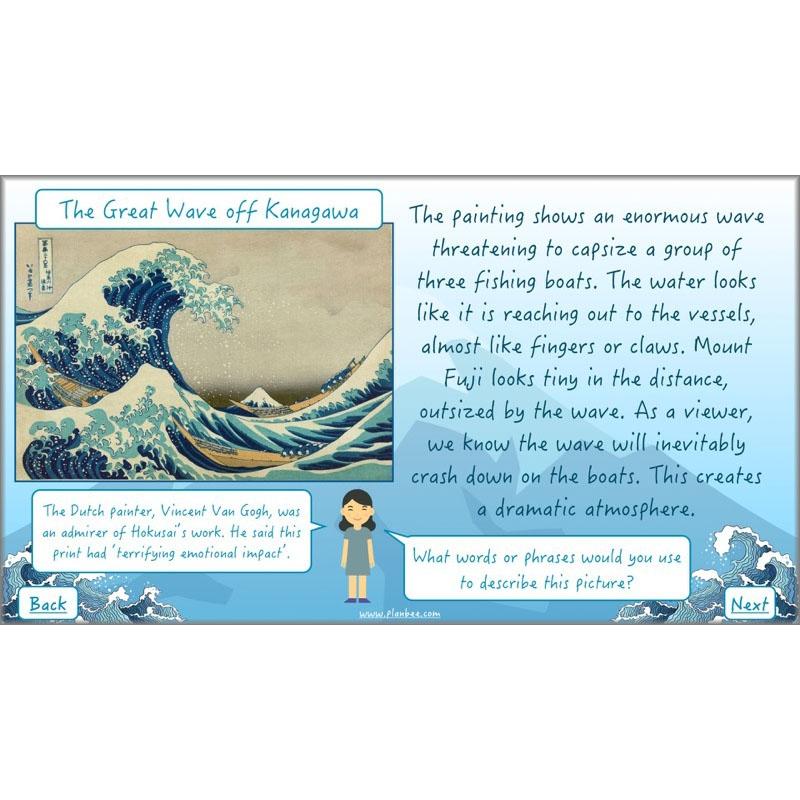
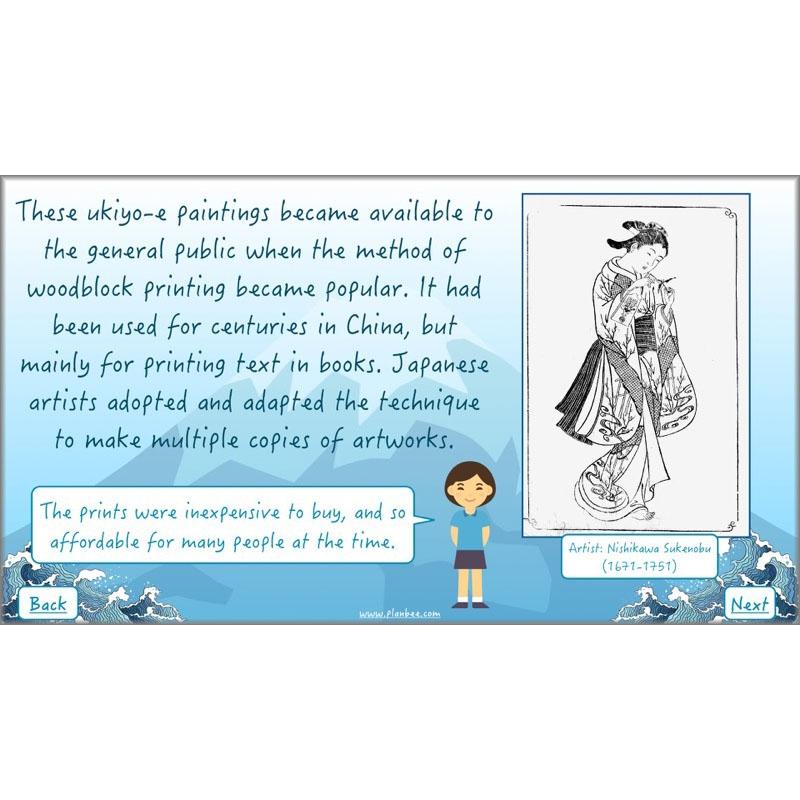
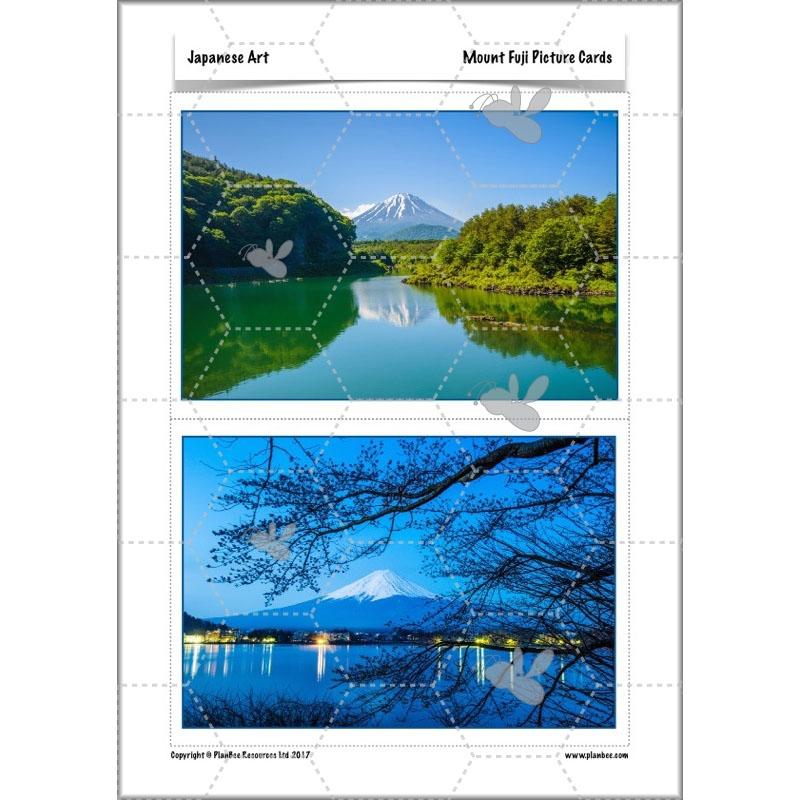
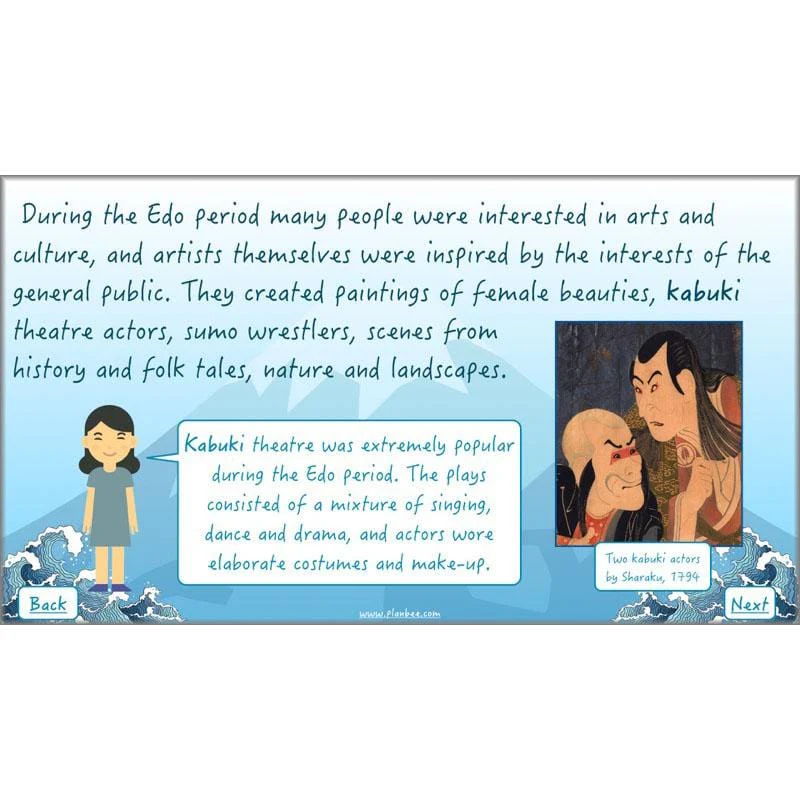
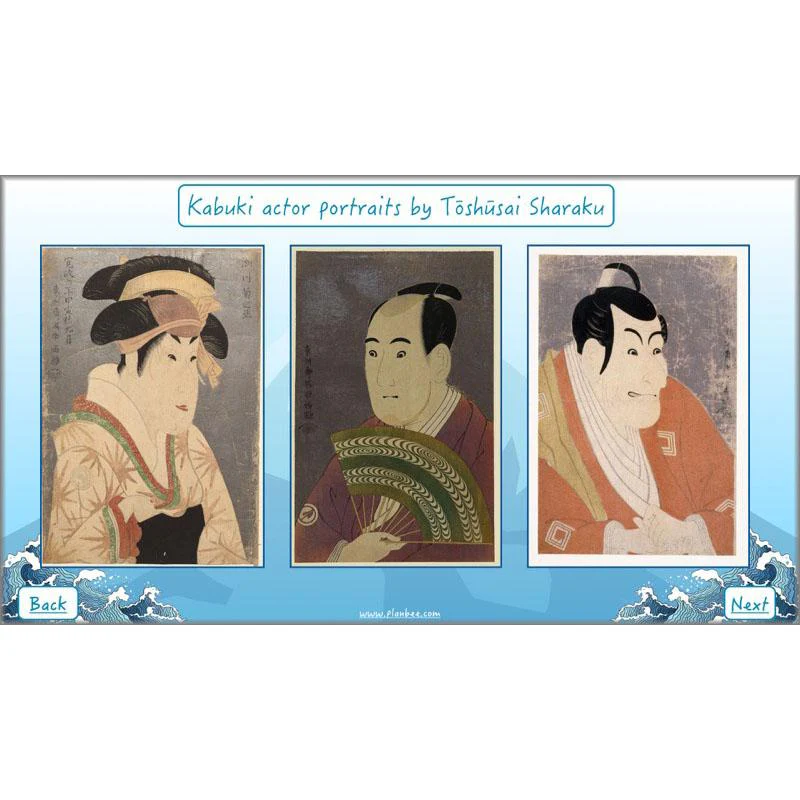
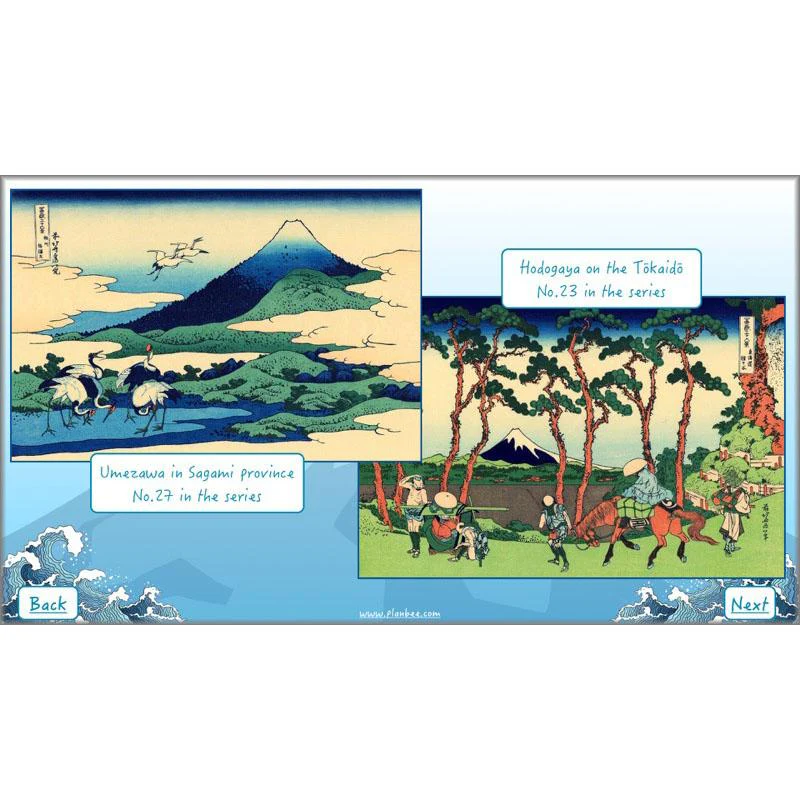
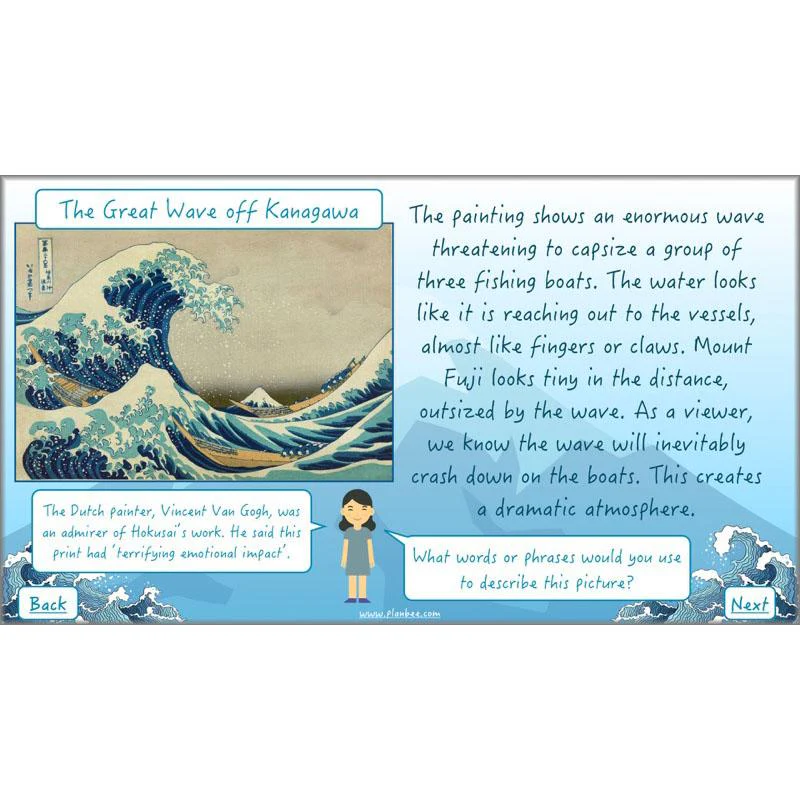
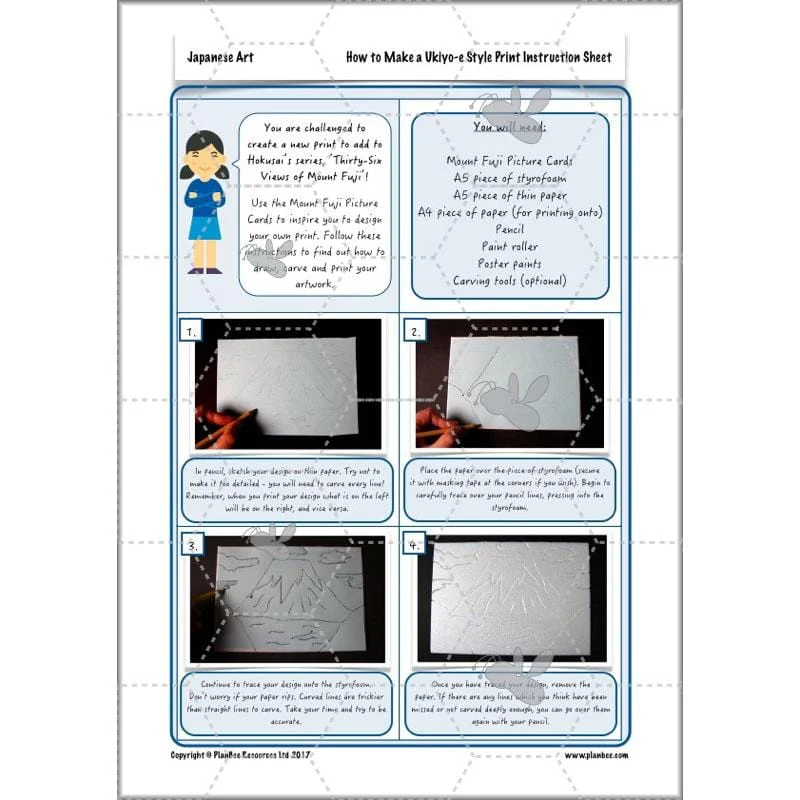
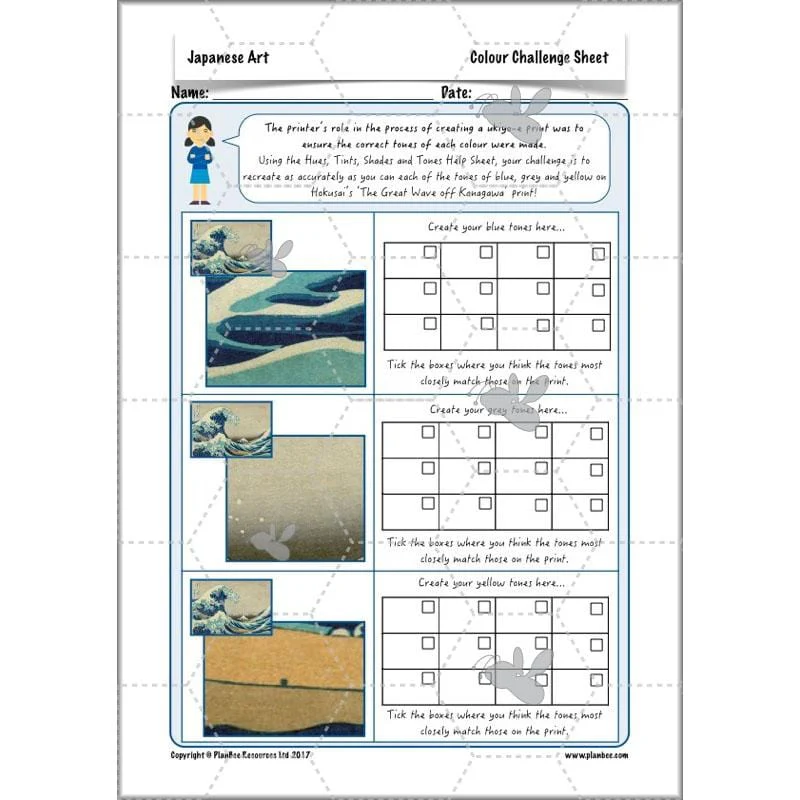
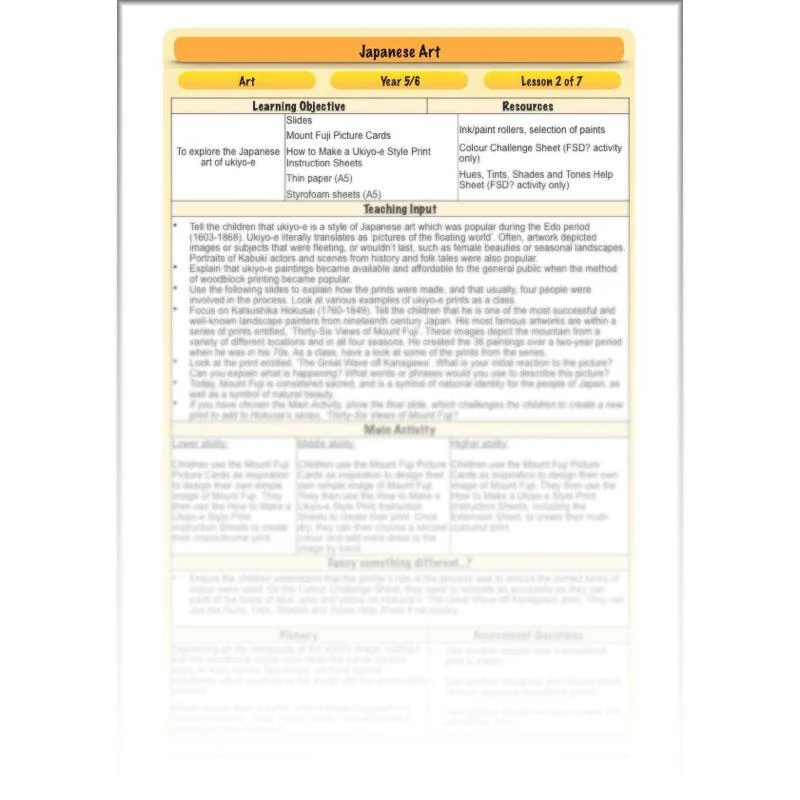
Children find out about the Japanese art style of ukiyo-e, and how it became accessible to everyone in the Edo period due to the woodblock printing method. They look at various examples of ukiyo-e prints, with a focus on Hokusai’s series, ‘Thirty-Six Views of Mount Fuji’. In their independent work, children design and create their own print to accompany Hokusai’s series. Alternatively, they focus on the role of the printer, and are challenged to recreate the exact tones of colours used in a given print.
What's included:
- Lesson plan
- Slides
- Activity ideas
- How to Make a Ukiyo-e Style Print Instruction Sheets
- Mount Fuji Picture Cards
- Colour Challenge Sheet
- Hues, Tints, Shades and Tones Help Sheet
Lesson 3: Notan
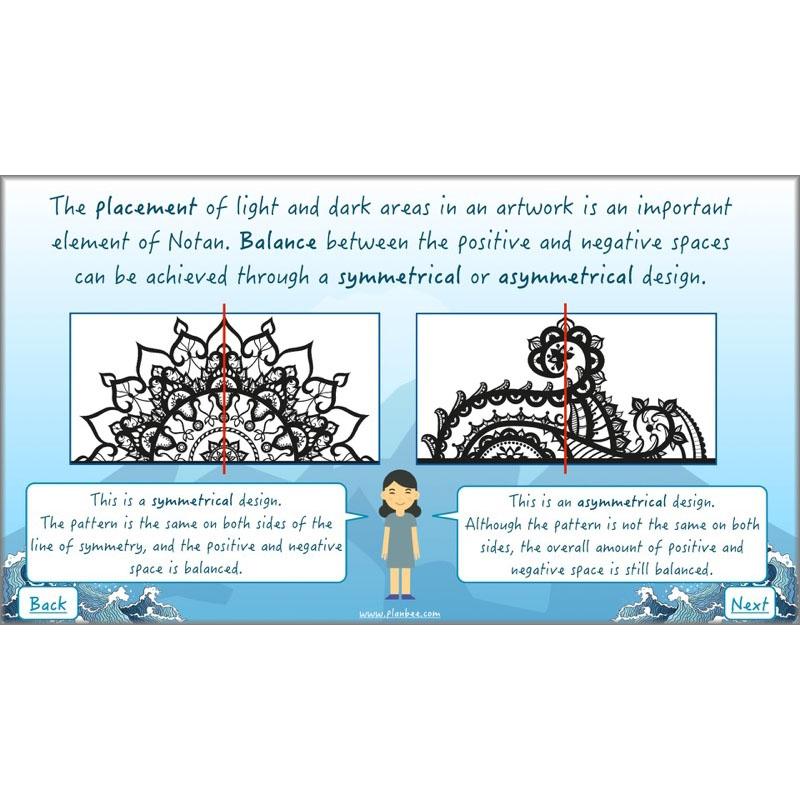
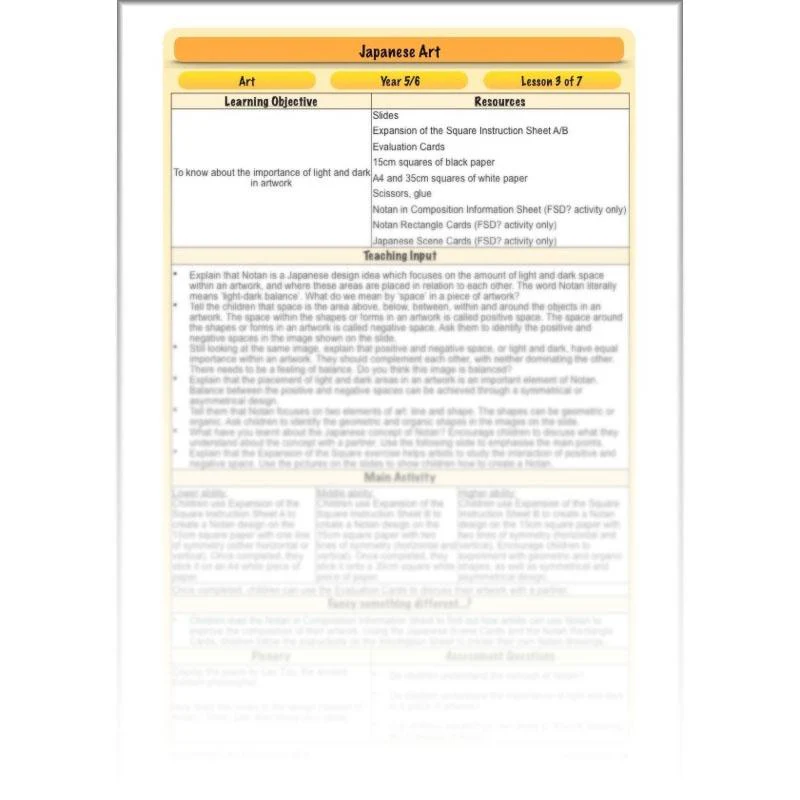
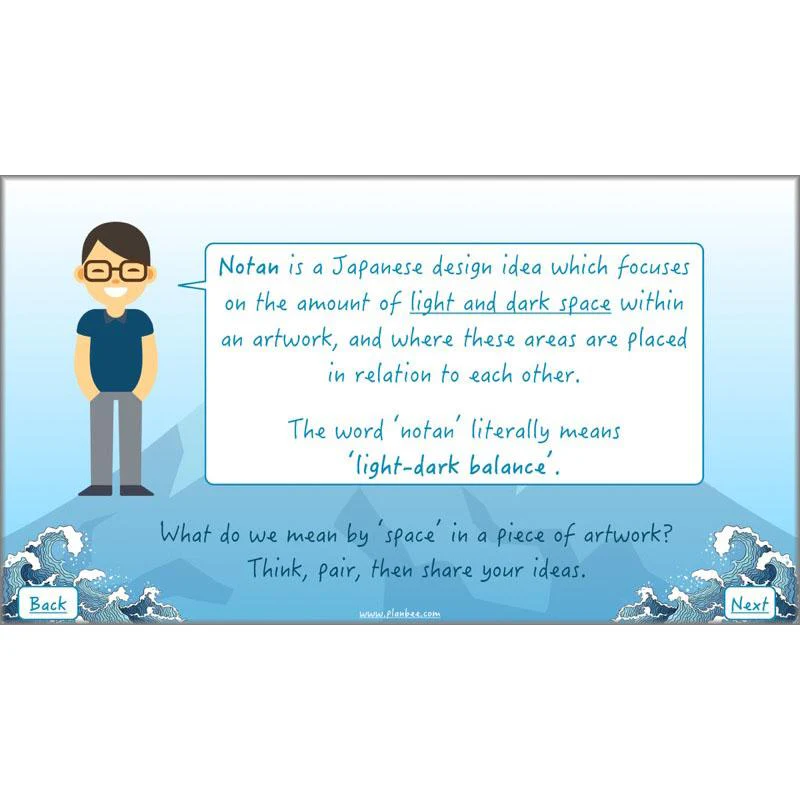
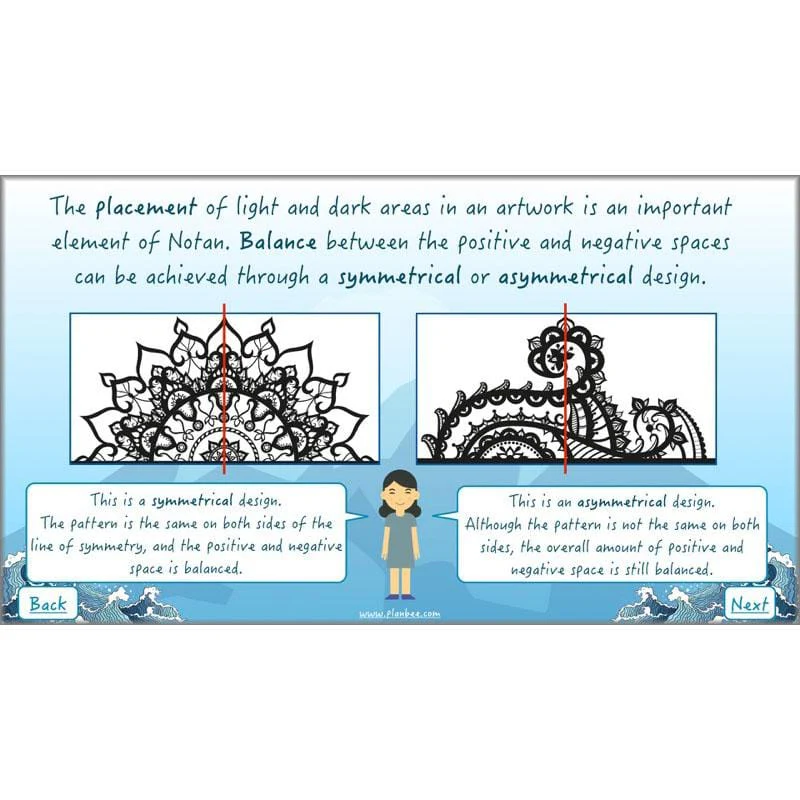
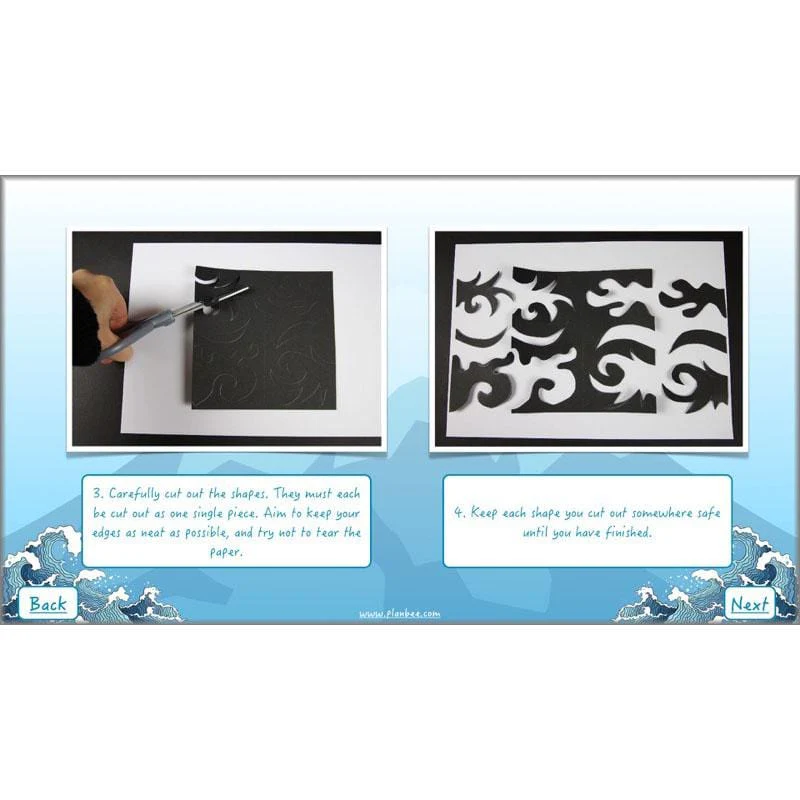
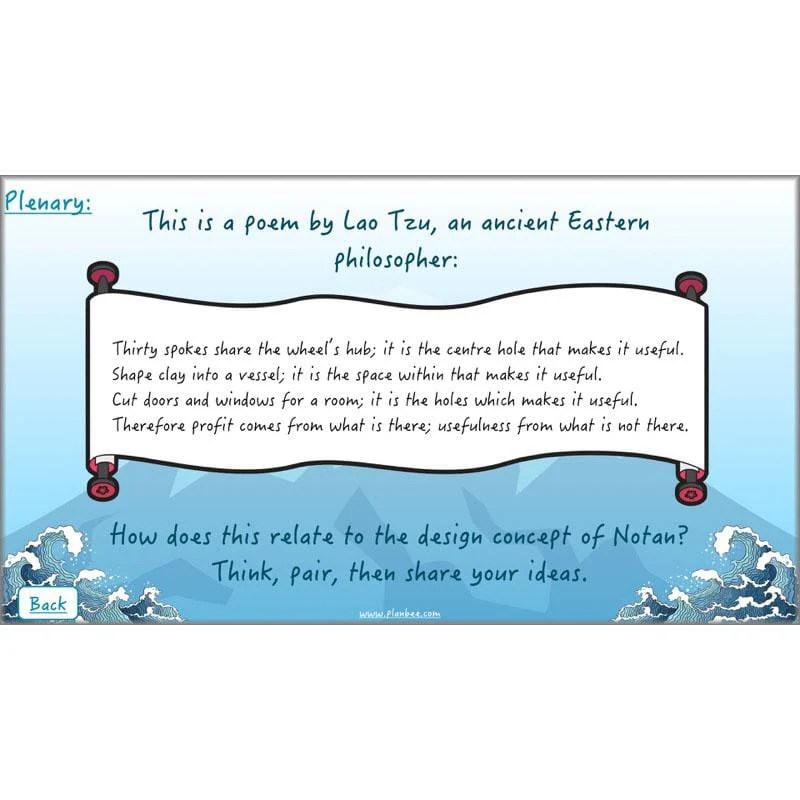
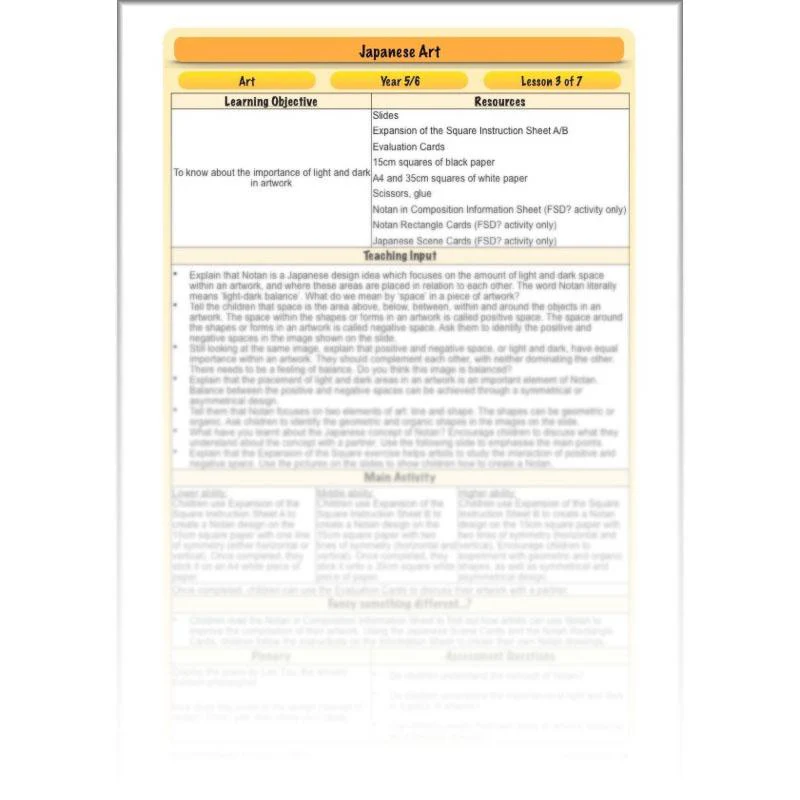
In this lesson, children explore the Japanese concept of Notan - the balance between light and dark, and positive and negative space within an artwork. Children further this knowledge and understanding in their independent activities, where they use the principles of Notan to create an artwork. Alternatively, they explore how Notan can be used when planning the composition of an artwork.
What's included:
- Lesson plan
- Slides
- Activity ideas
- Expansion of the Square Instruction Sheets
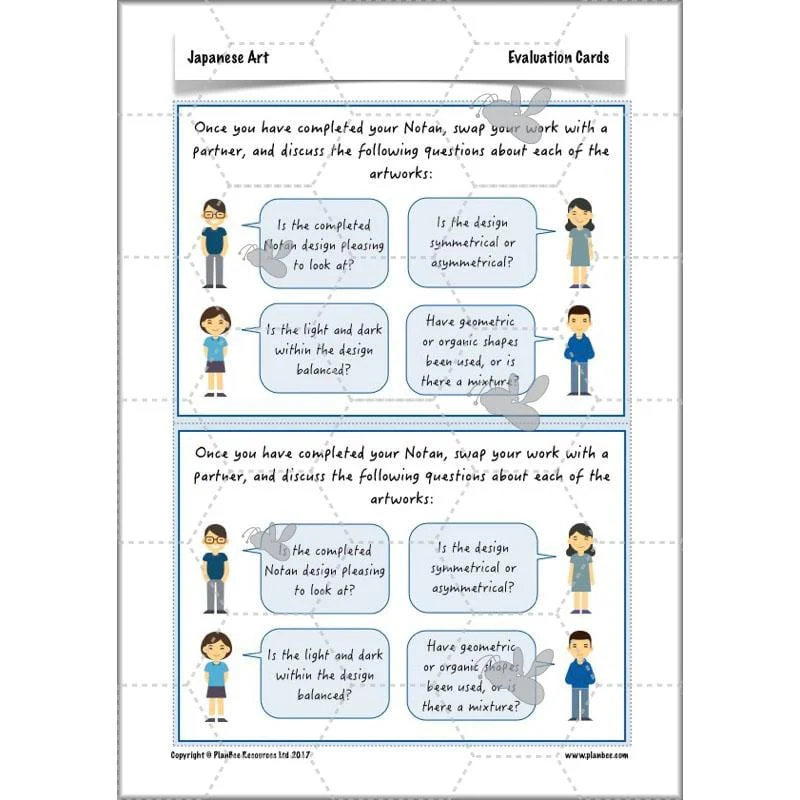
- Evaluation Cards
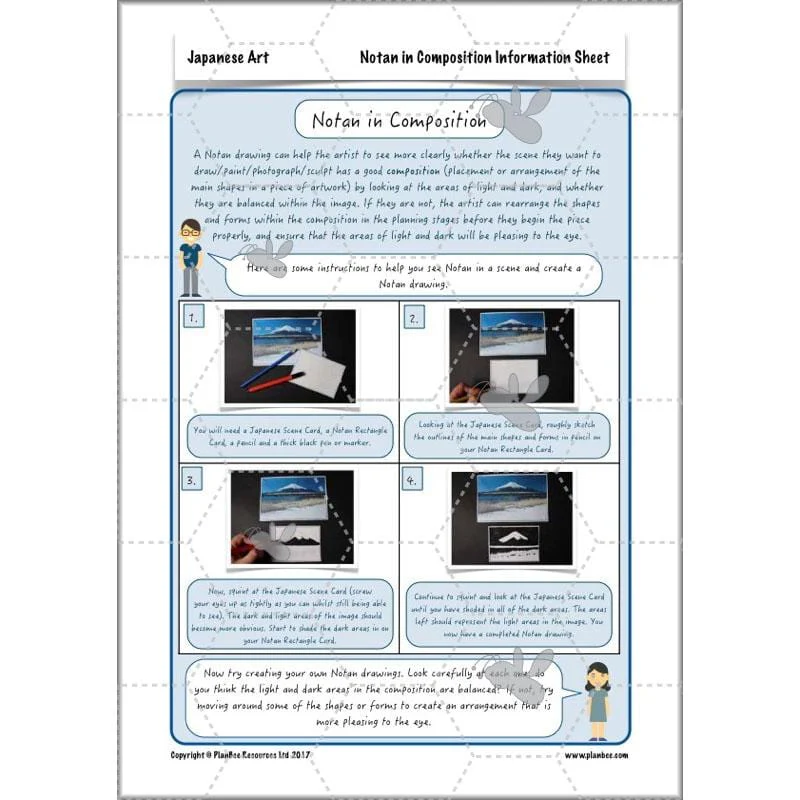
- Notan in Composition Information Sheet
- Notan Rectangle Cards
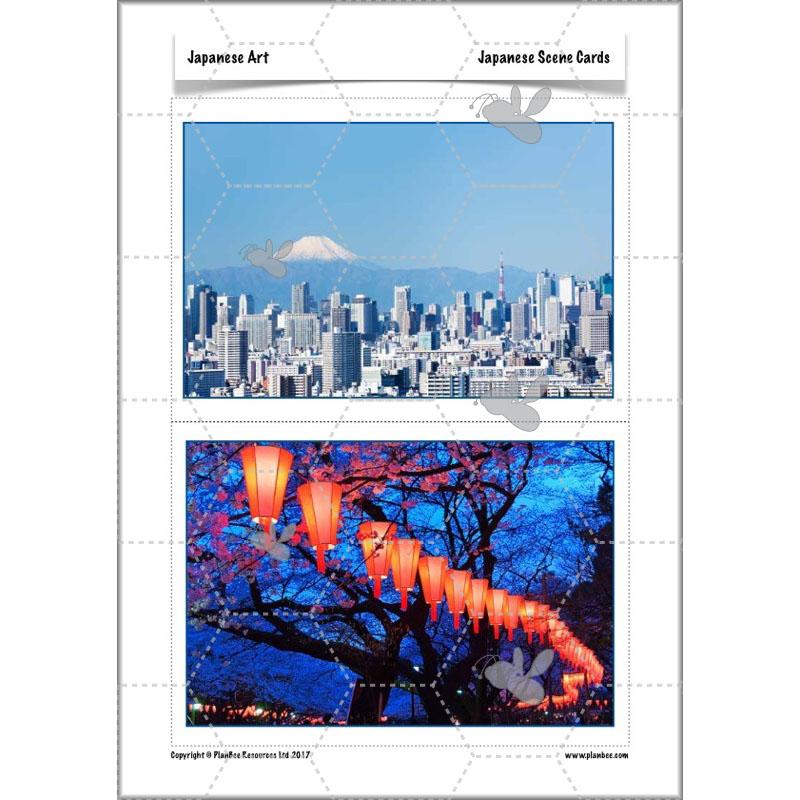
- Japanese Scene Cards
Lesson 4: Origami
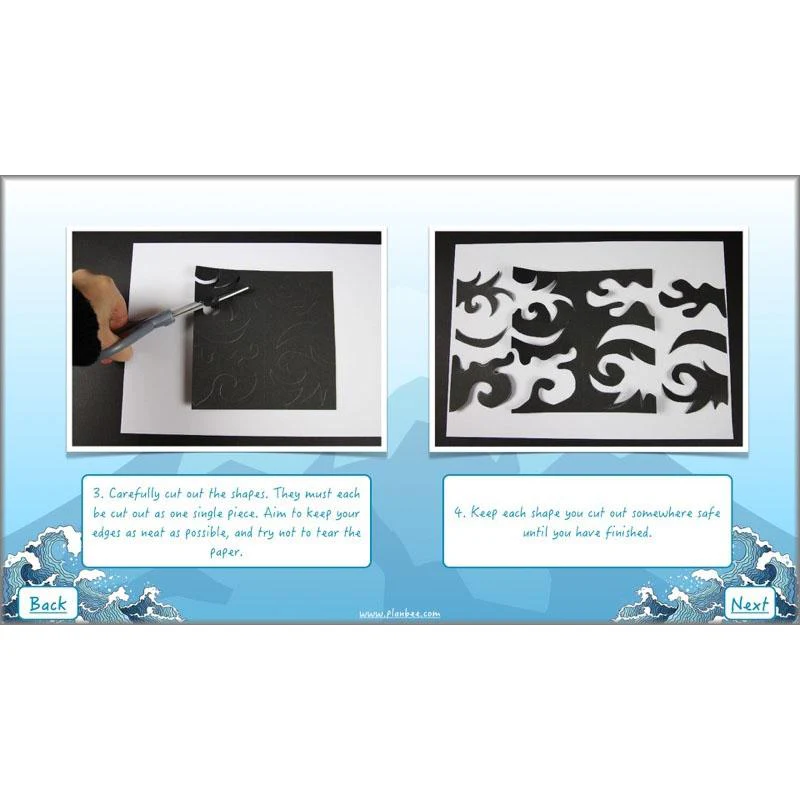
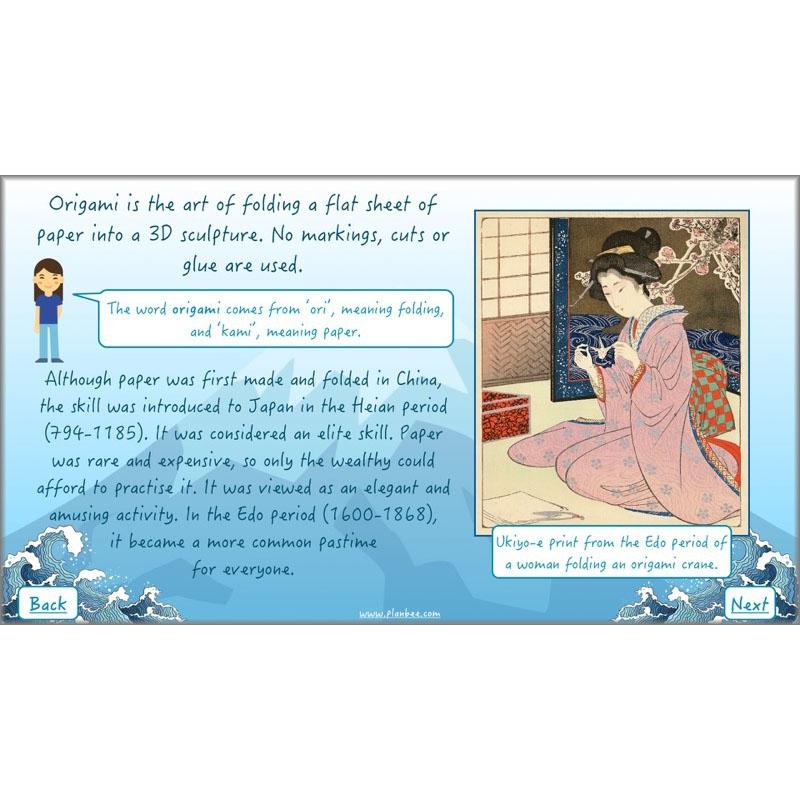
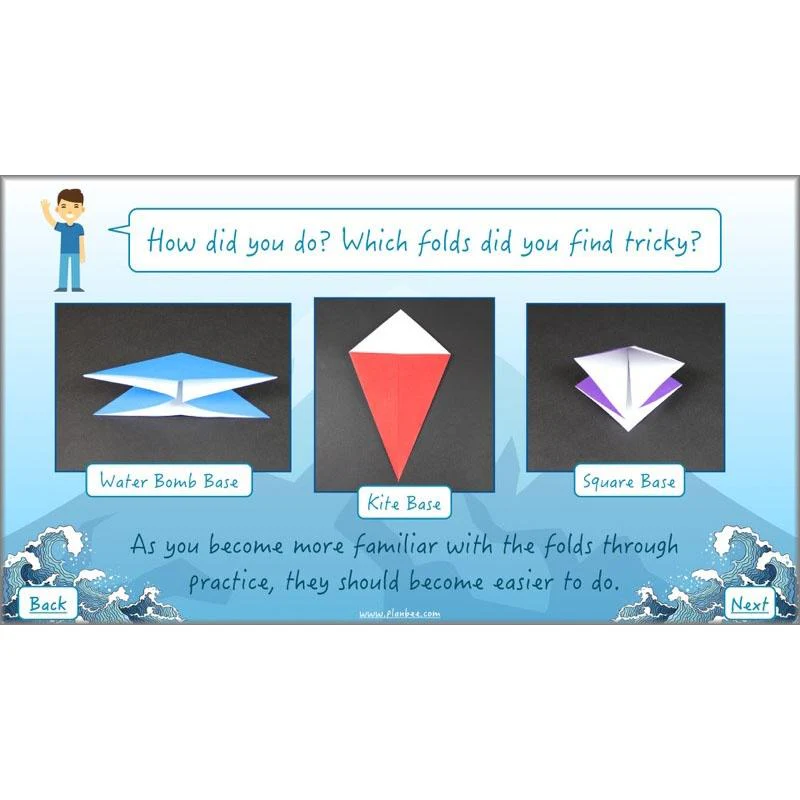
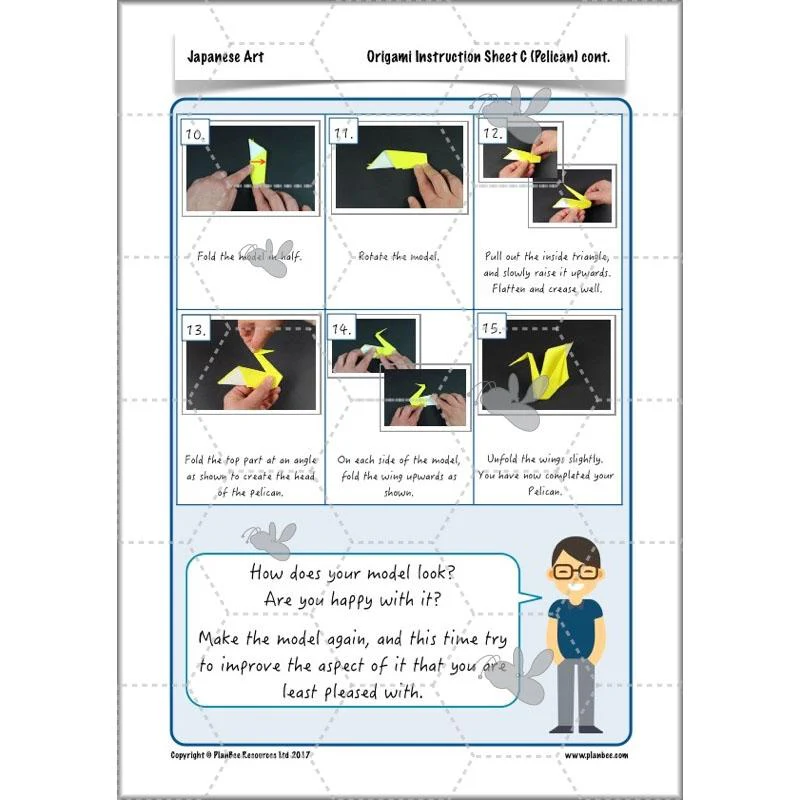
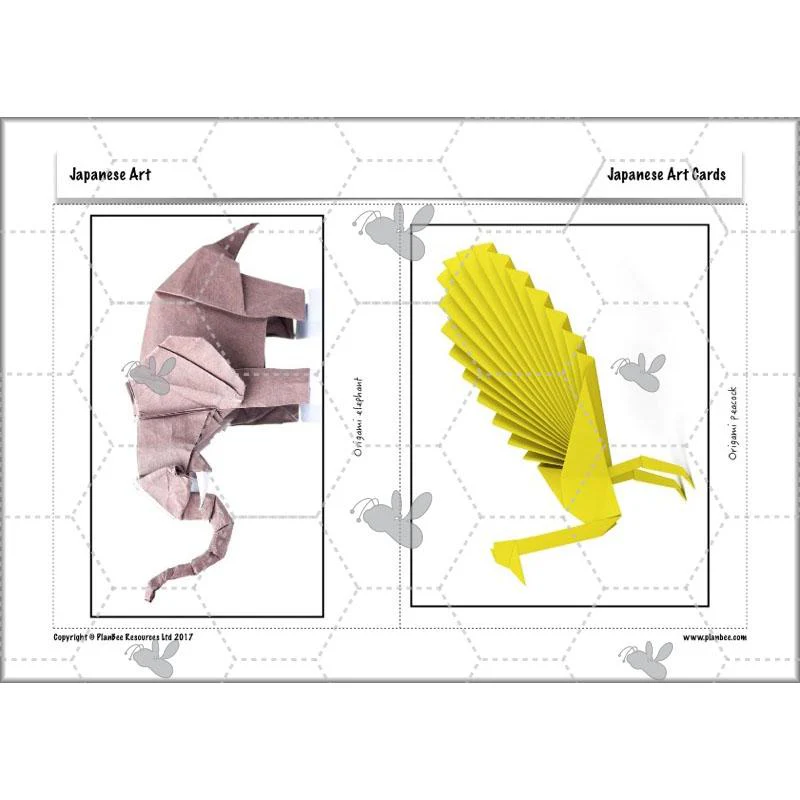
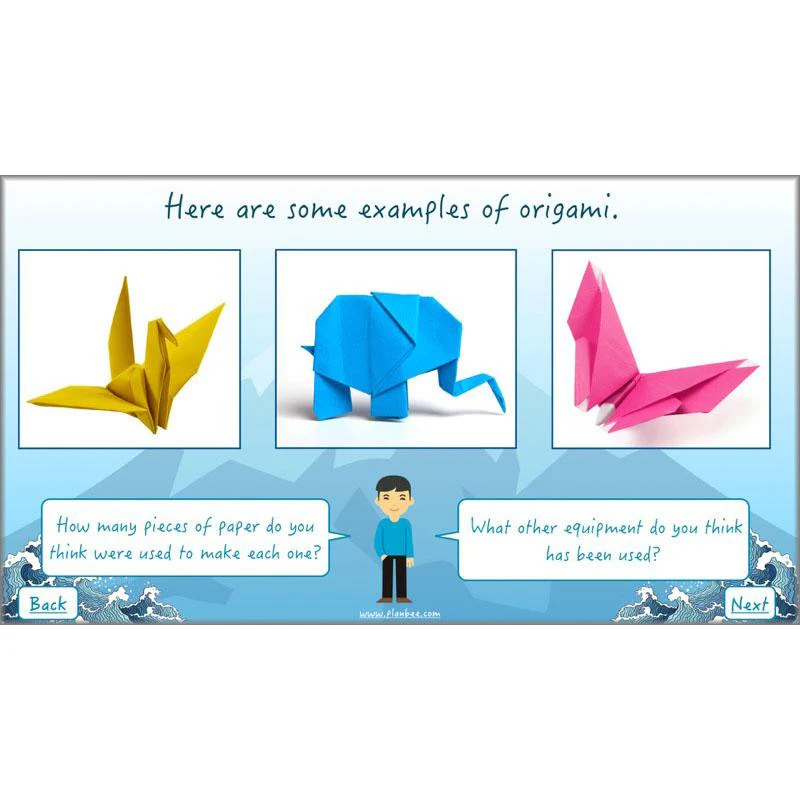
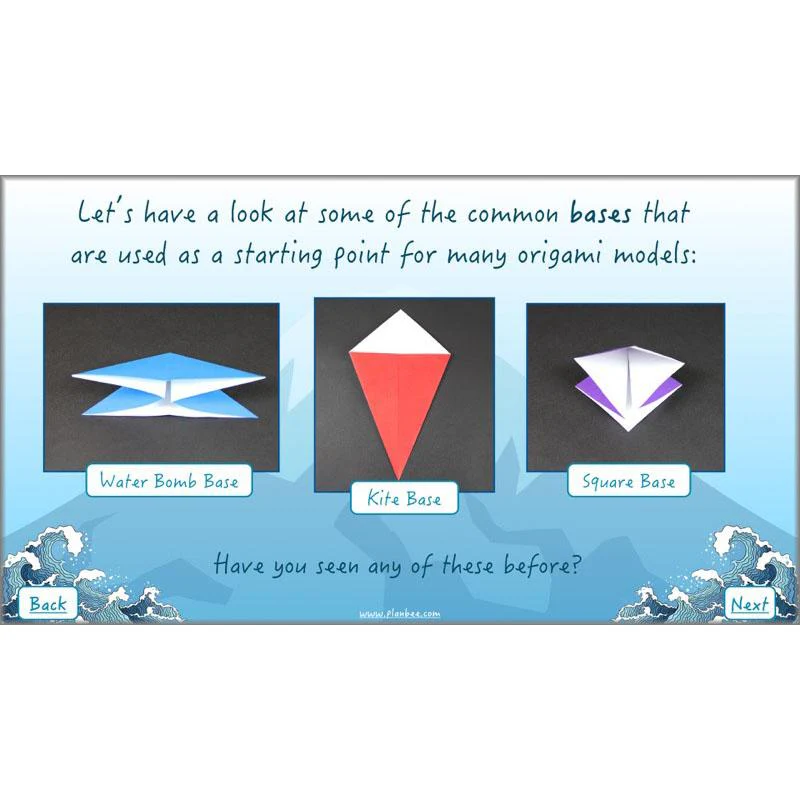
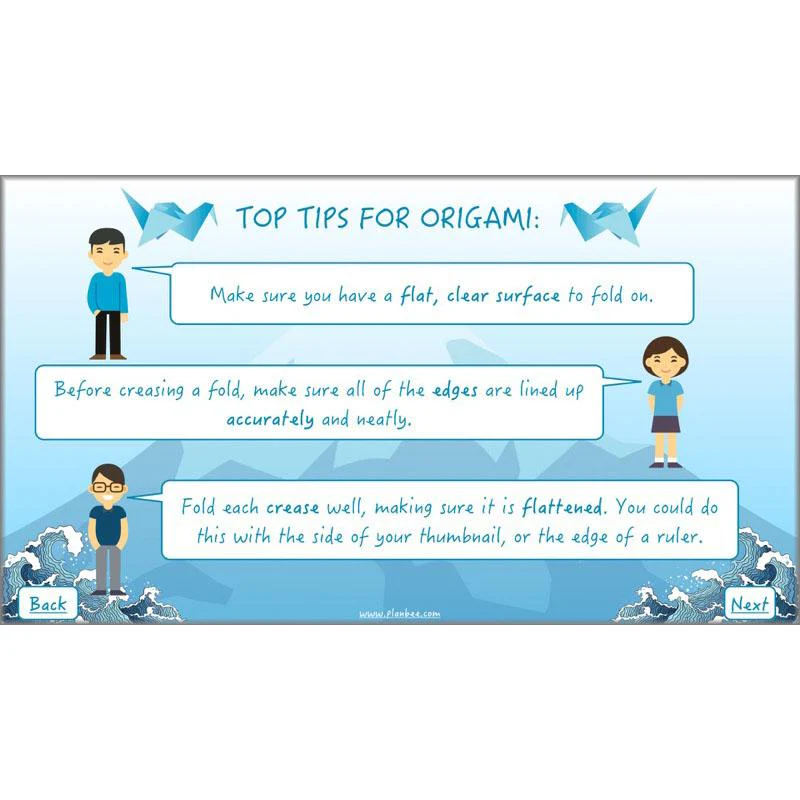
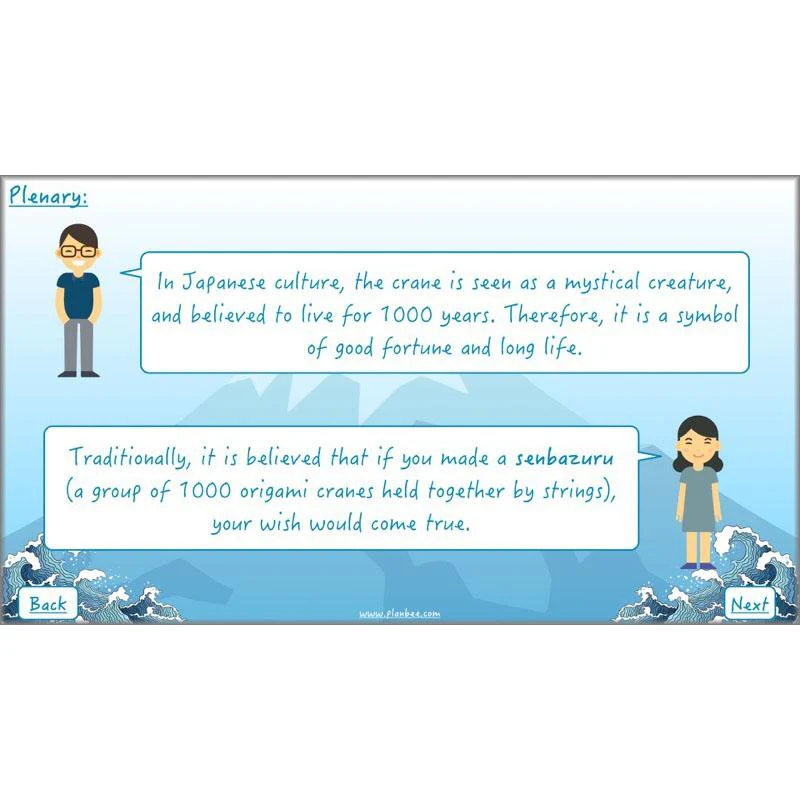
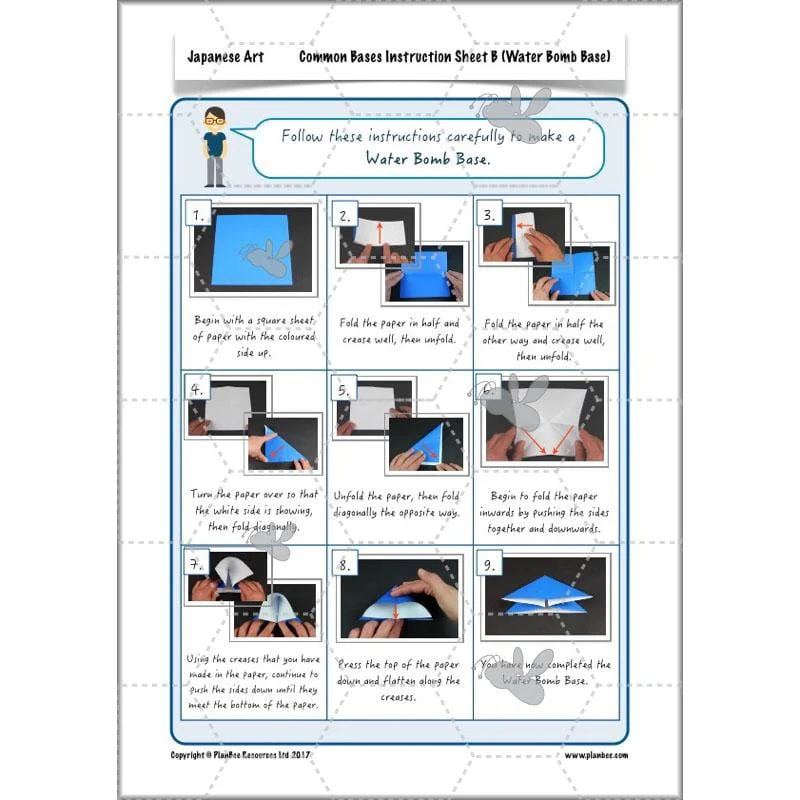
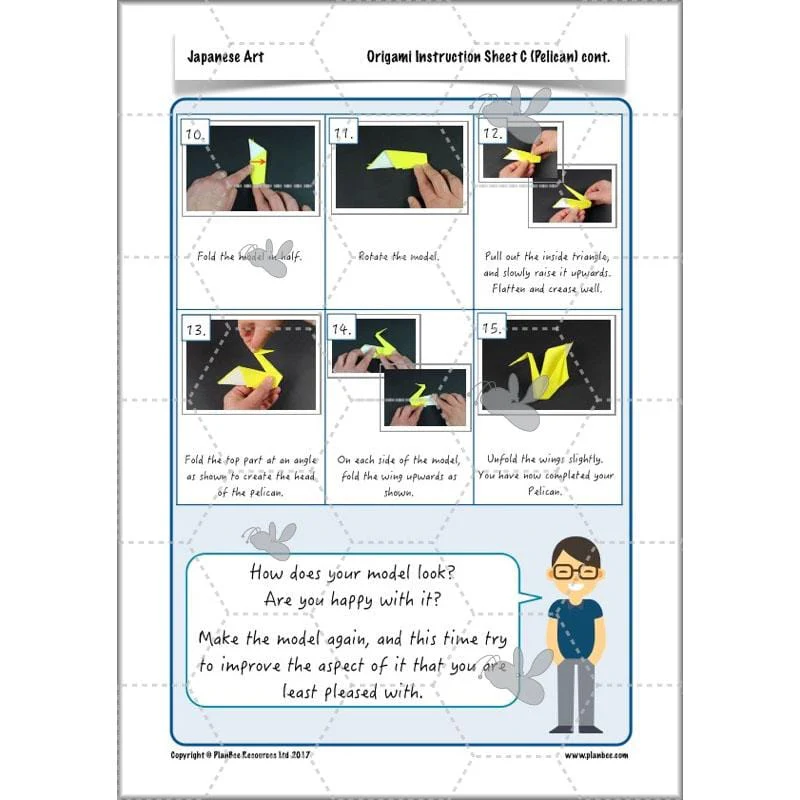
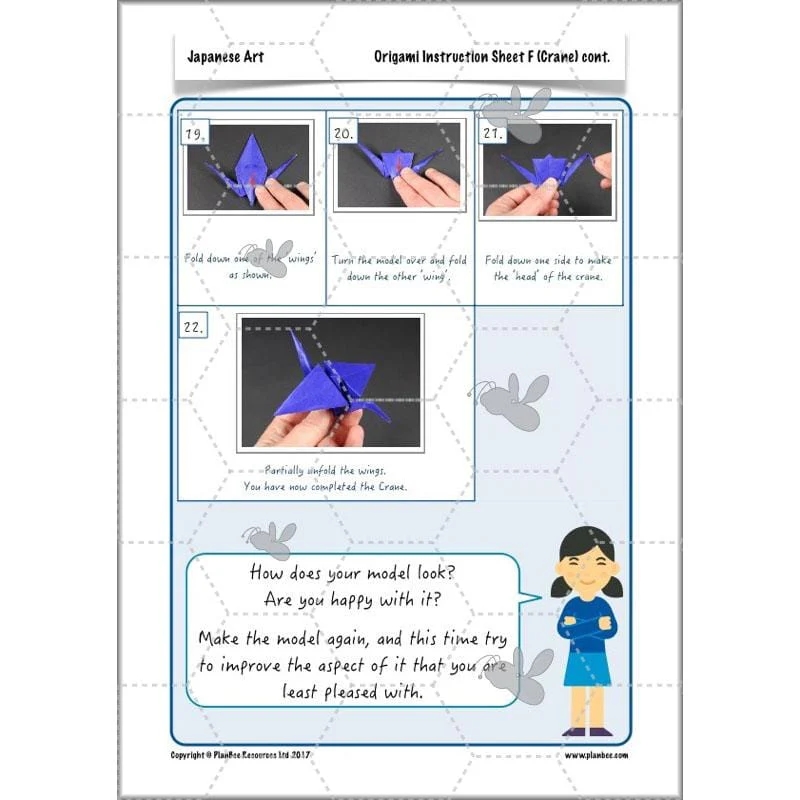
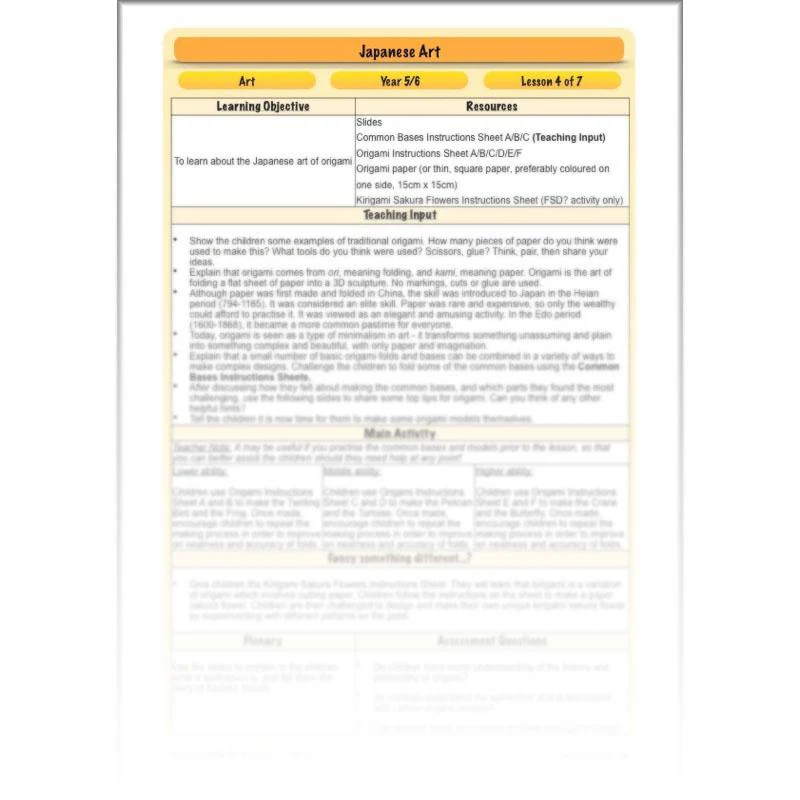
Children learn about the origins of the amazing art of paper folding, and how the practice first developed in Japan. They are challenged to fold some of the common bases used in origami as starting points, before going on to fold a selection of different animals during their independent activities. In the alternative activity, children practise the art of kirigami – a variation of origami that involves cutting.
What's included:
- Lesson plan
- Slides
- Activity ideas
- Common Bases Instructions Sheets
- Origami Instructions Sheets
- Kirigami Sakura Flowers Instructions Sheet
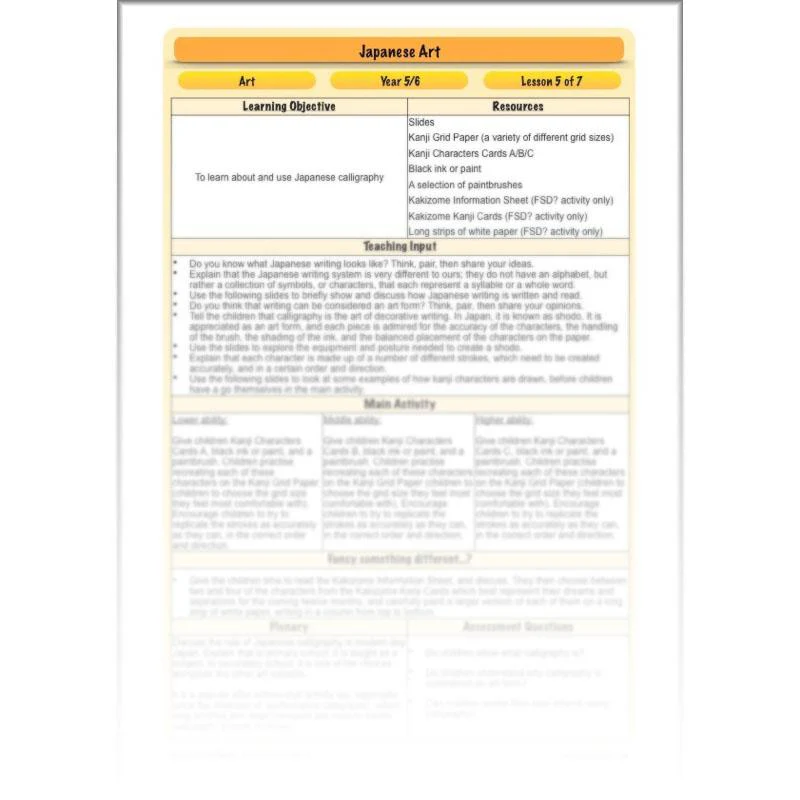
Lesson 5: The Art of Writing
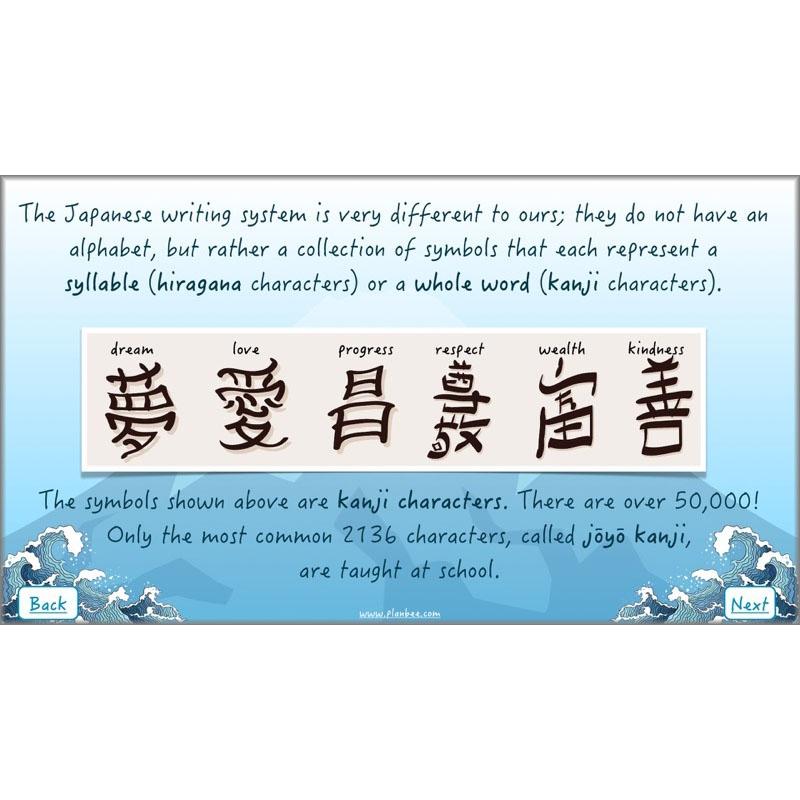
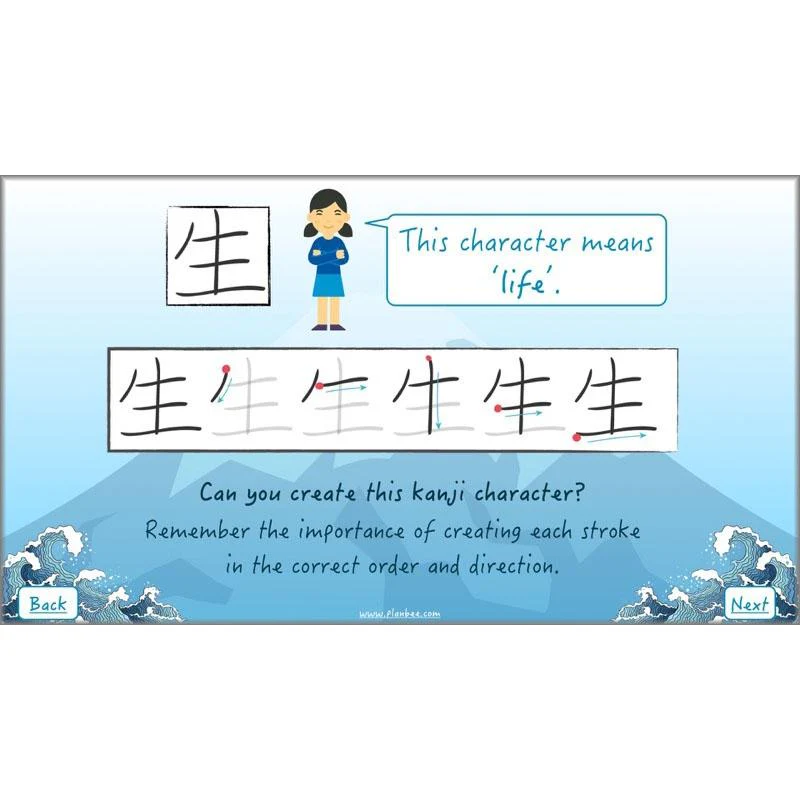
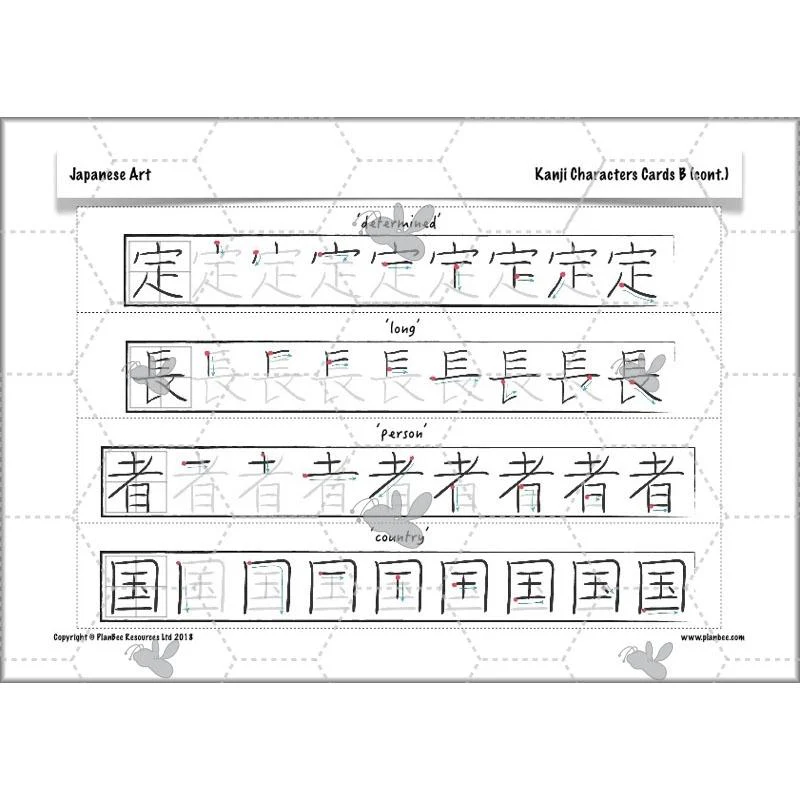
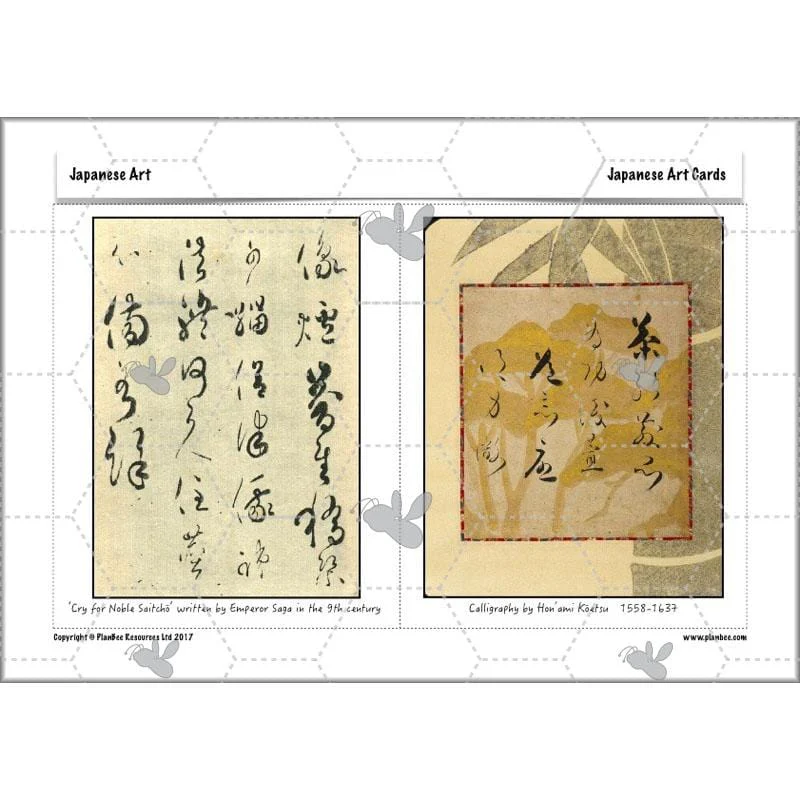
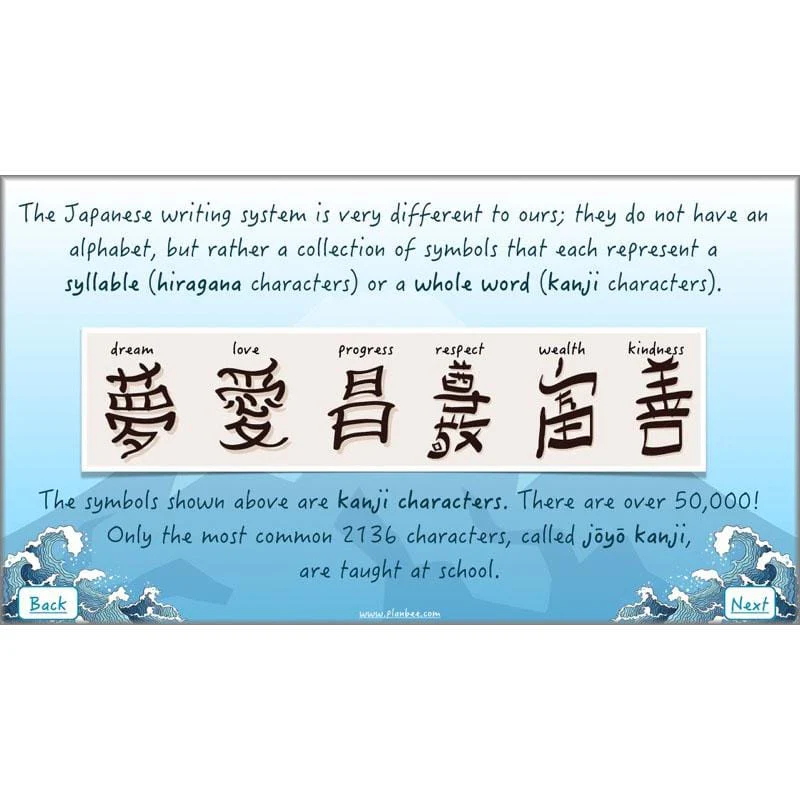
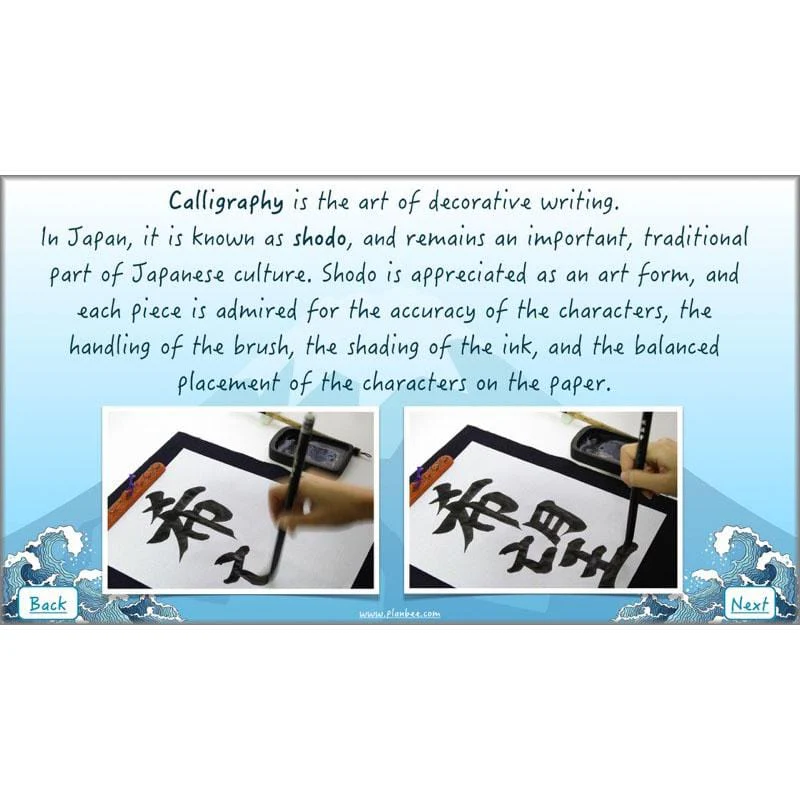
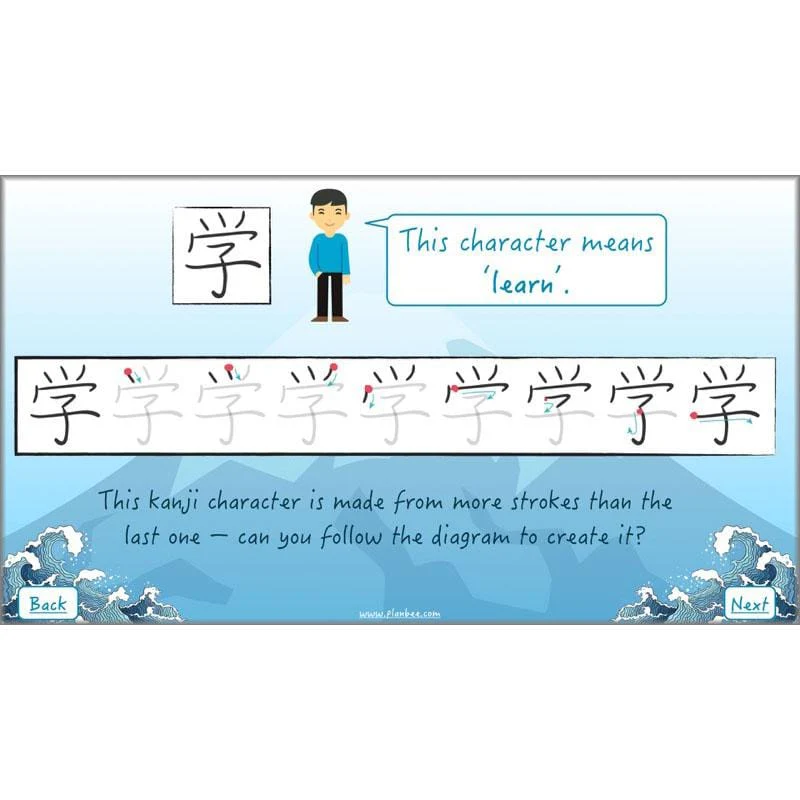
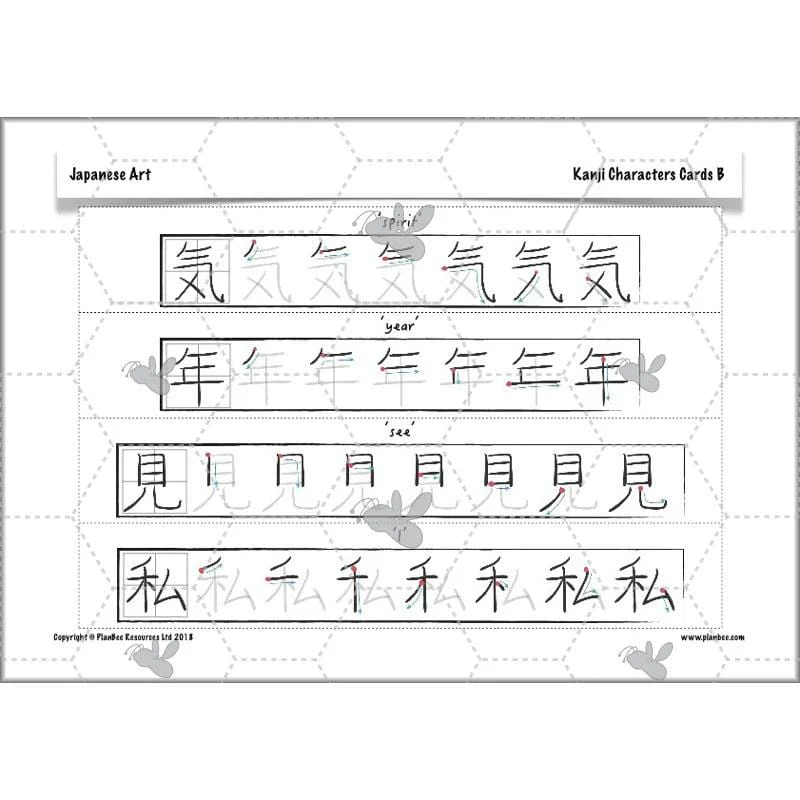
To begin, children first explore the Japanese writing system, and gain insight into how the Japanese language is written and read. They then learn about how writing can be considered an art form through the practice of calligraphy, or shodo. As a class, children look at different kanji characters and see how each one is made from several brushstrokes that are created in a certain order and direction. They practise creating their own calligraphy in their independent activities.
What's included:
- Lesson plan
- Slides
- Activity ideas
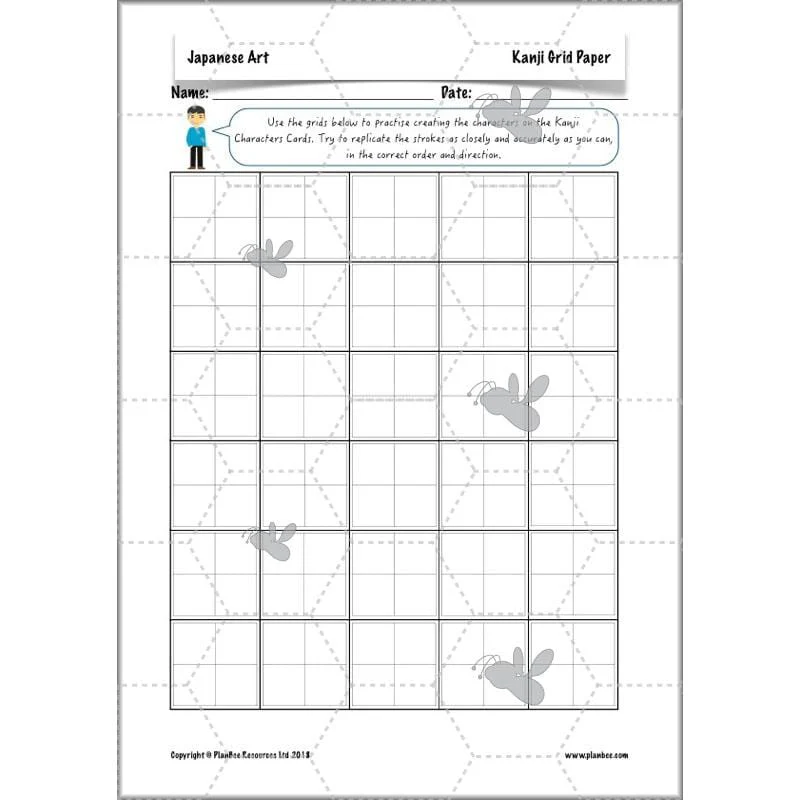
- Kanji Grid Paper
- Kanji Characters Cards
- Kakizome Information Sheet
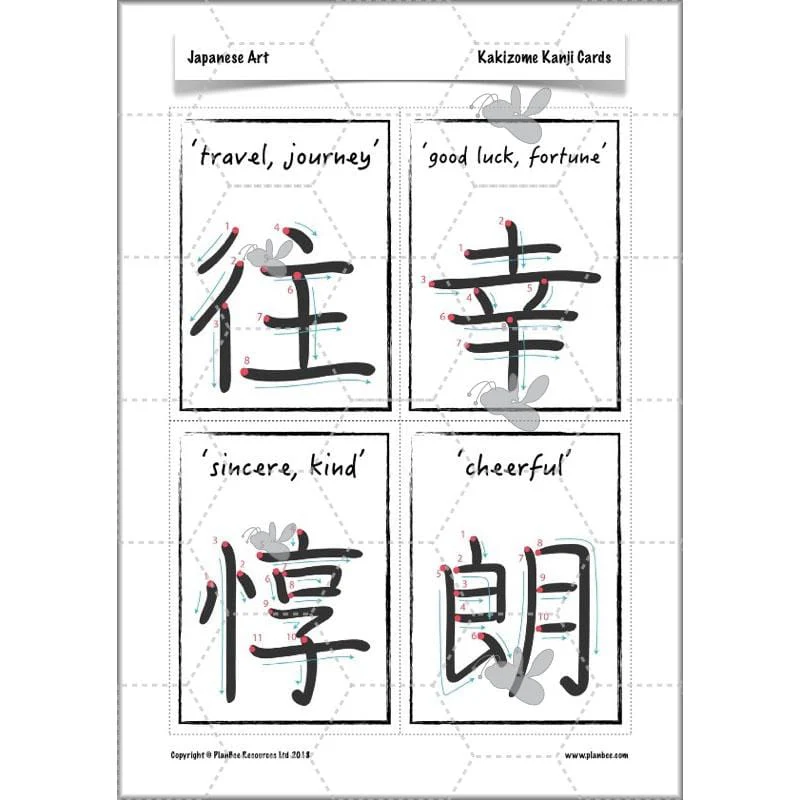
- Kakizome Kanji Cards
Lesson 6: Folk Art
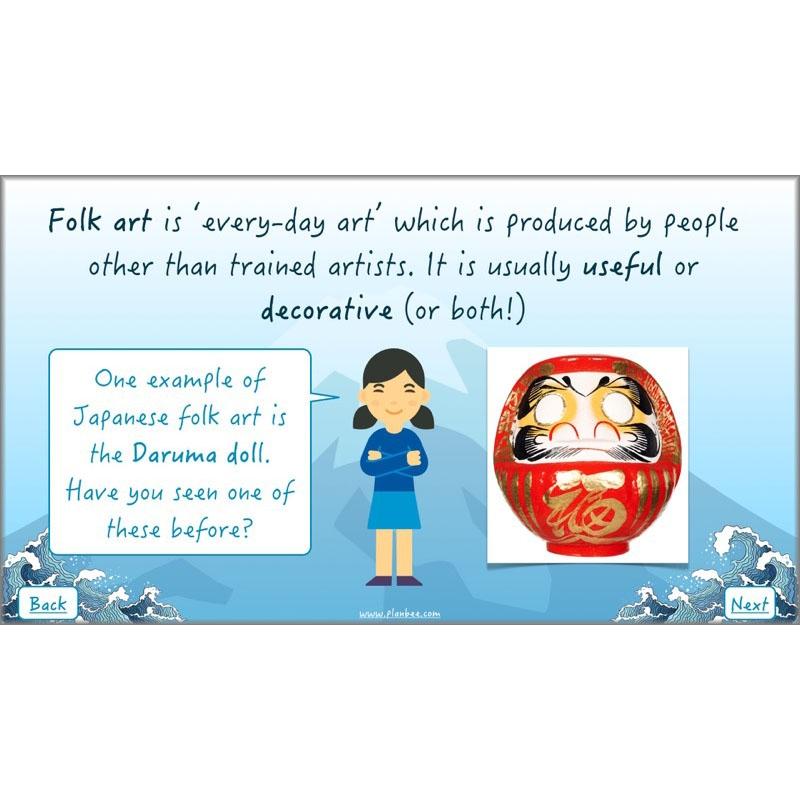
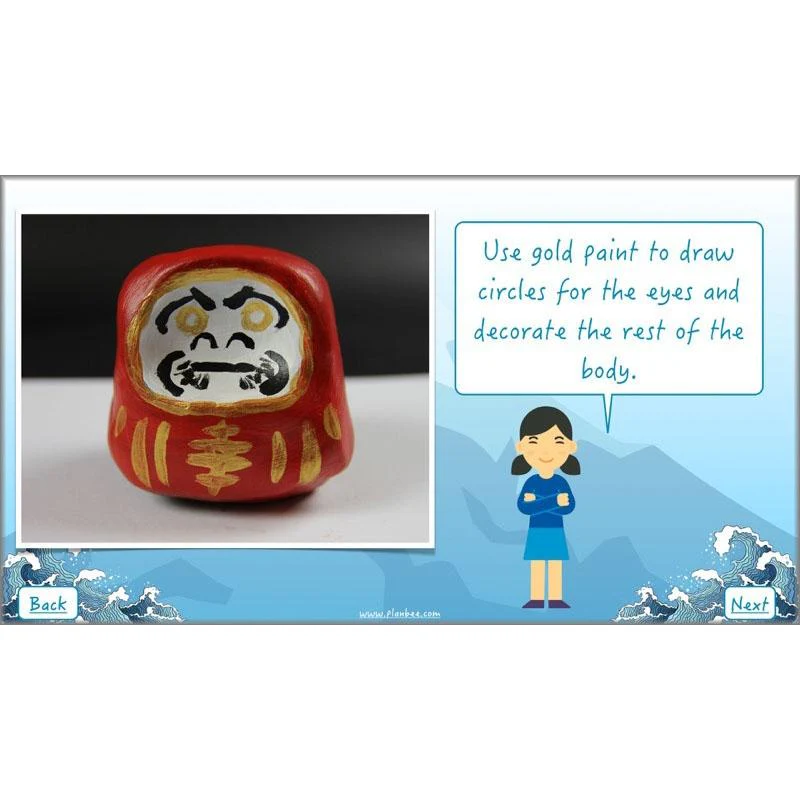
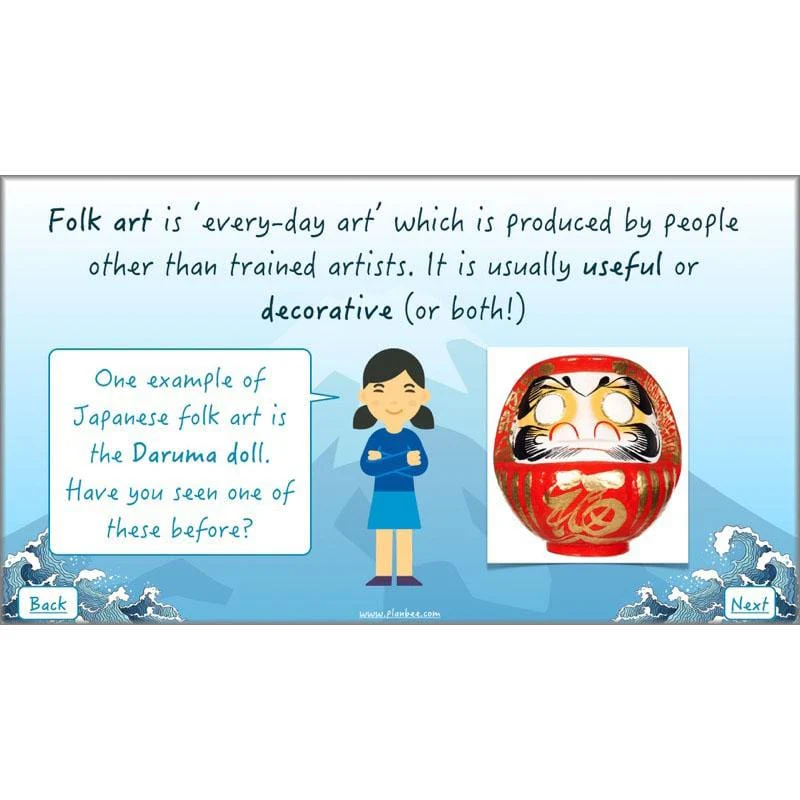
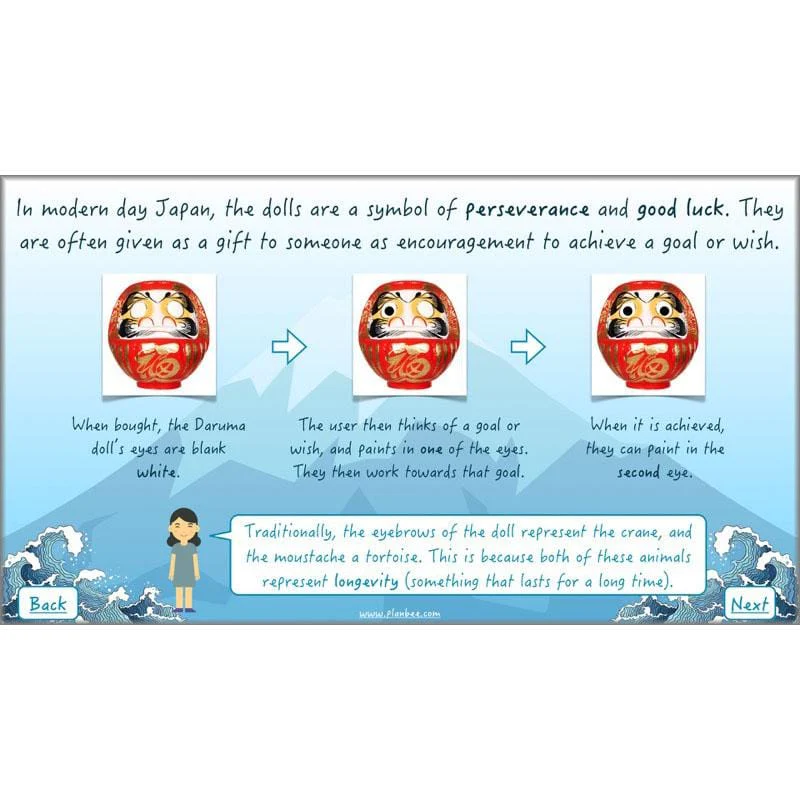
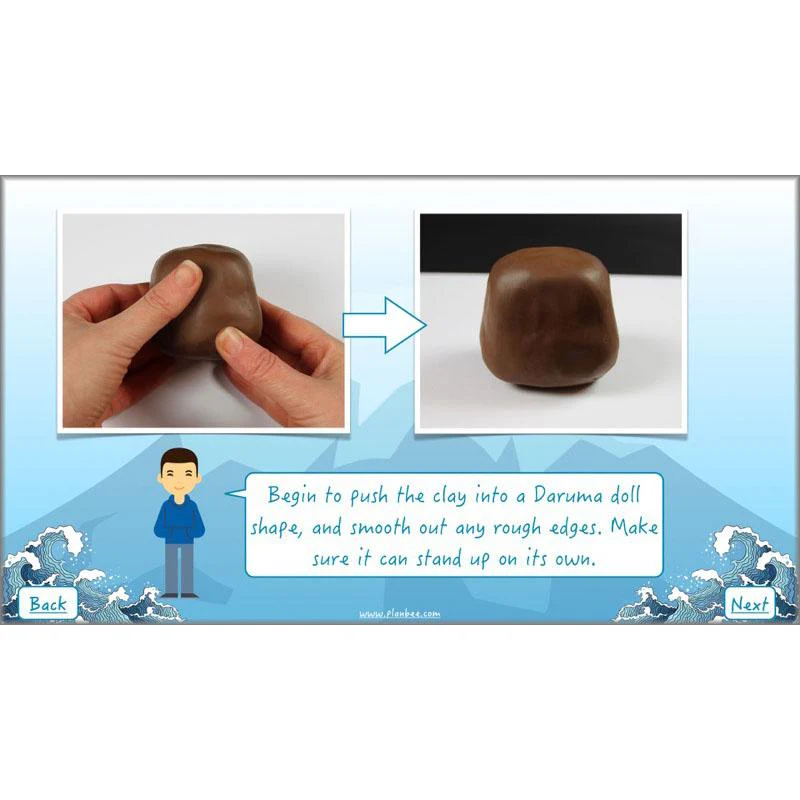
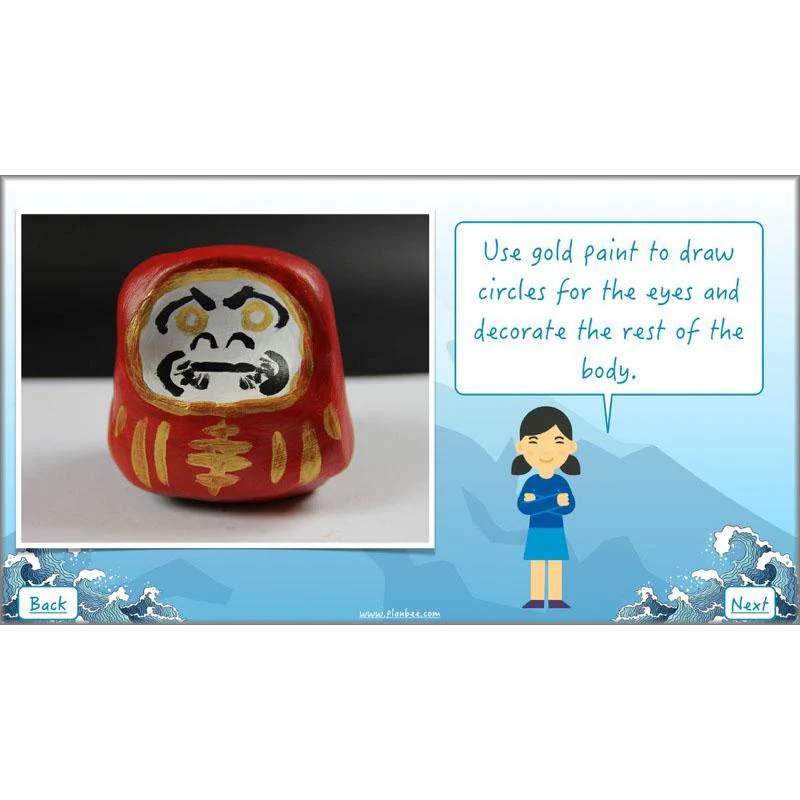
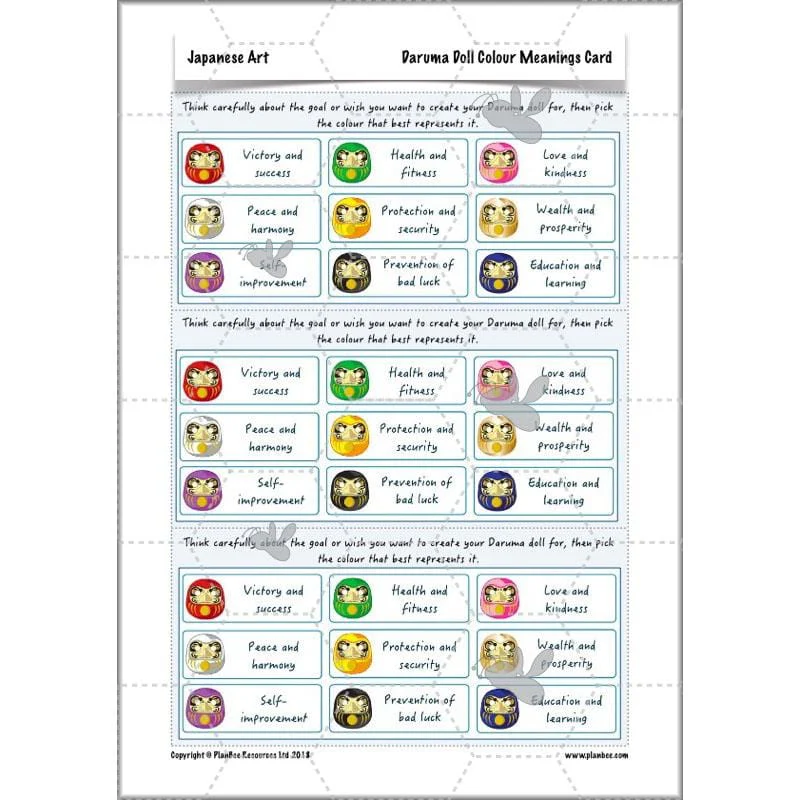
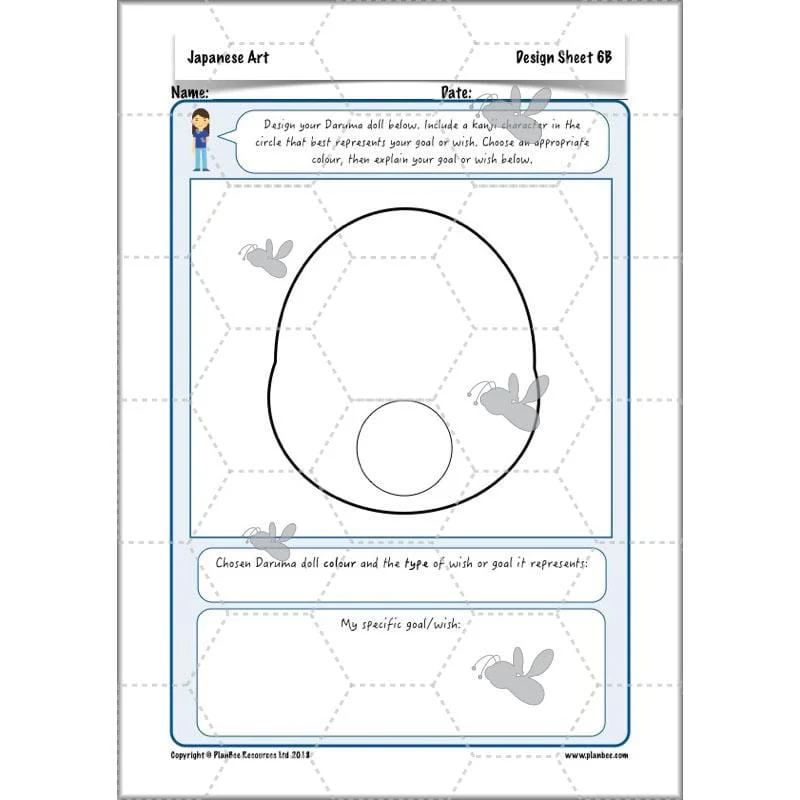
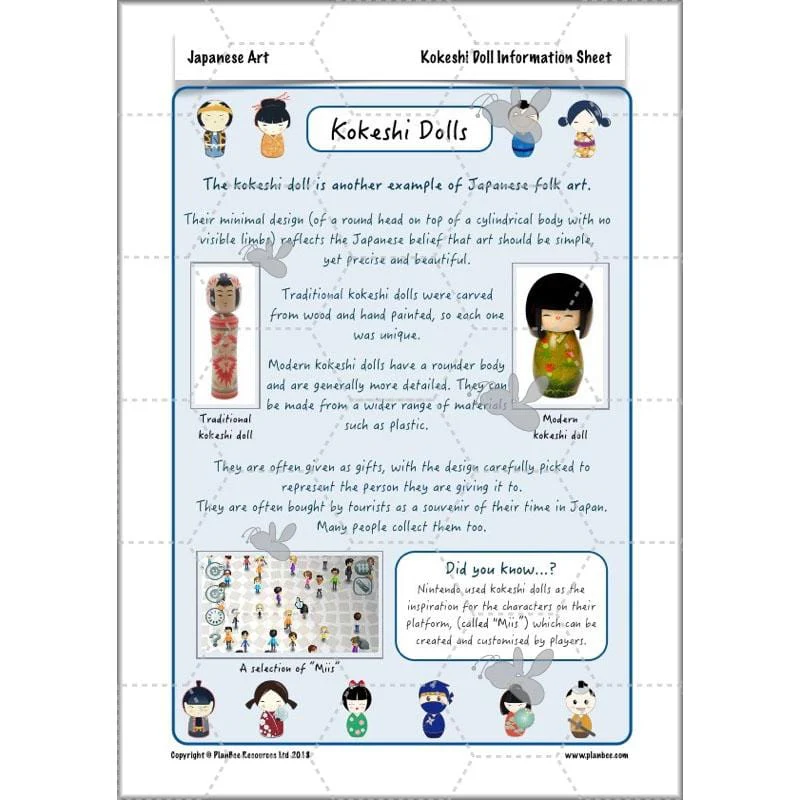
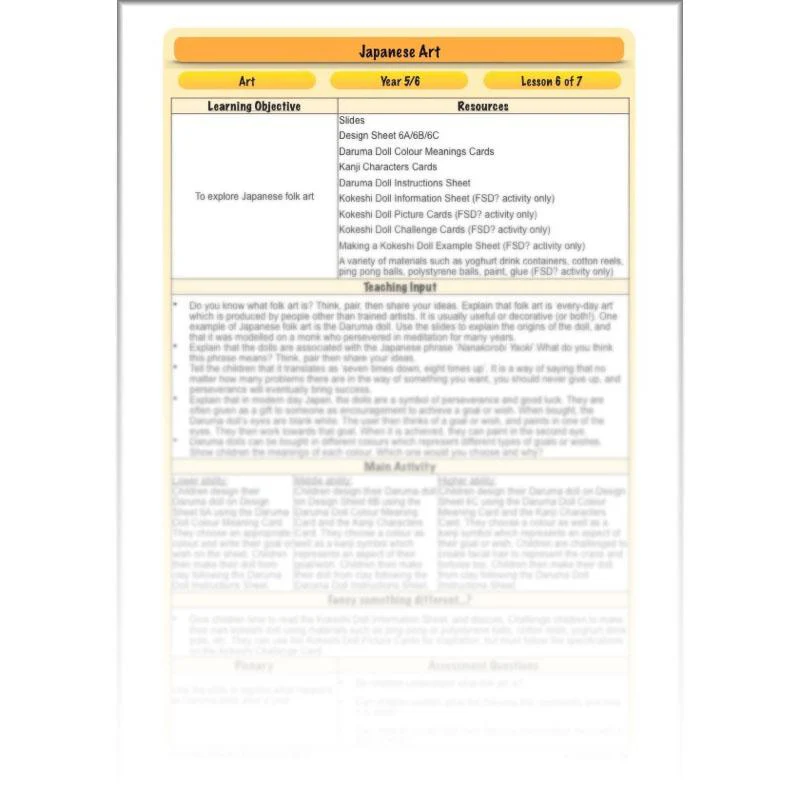
In this lesson, children explore the folk art of Japan. They focus on the Daruma doll, learning its origins and modern day use as a symbol of perseverance and good luck. In their independent activities, children design and make their own Daruma doll for a specific goal or wish that they have. In the alternative activity, children explore and make another type of Japanese folk art in the form of the Kokeshi doll.
What's included:
- Lesson plan
- Slides
- Activity ideas
- Design Sheets
- Daruma Doll Colour Meaning Cards
- Kanji Character Cards
- Daruma Doll Instructions Sheet
- Kokeshi Doll Information Sheet
- Kokeshi Doll Picture Cards
- Kokeshi Doll Challenge Cards
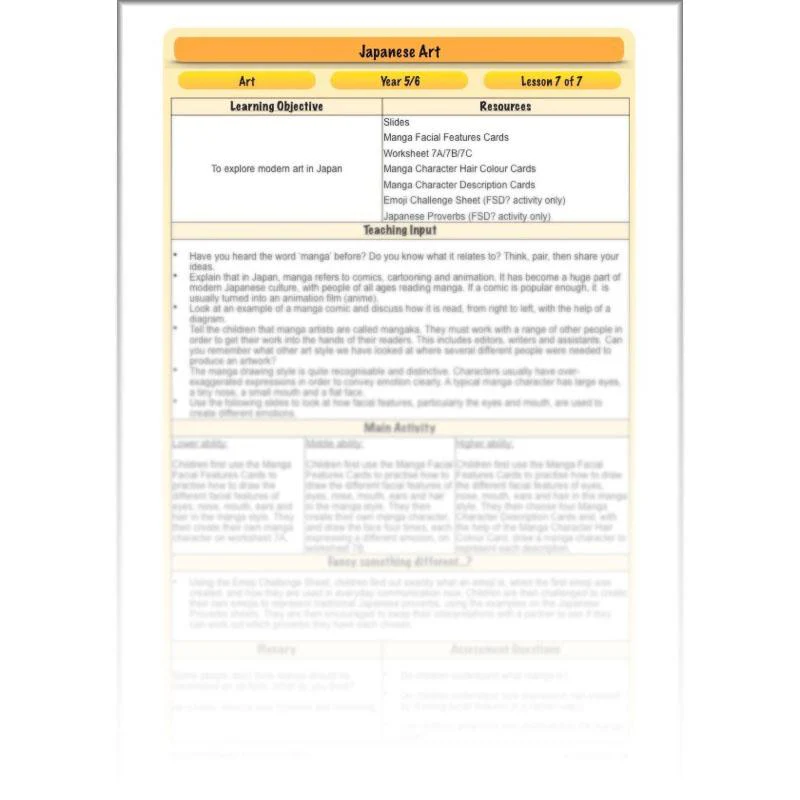
Lesson 7: Manga
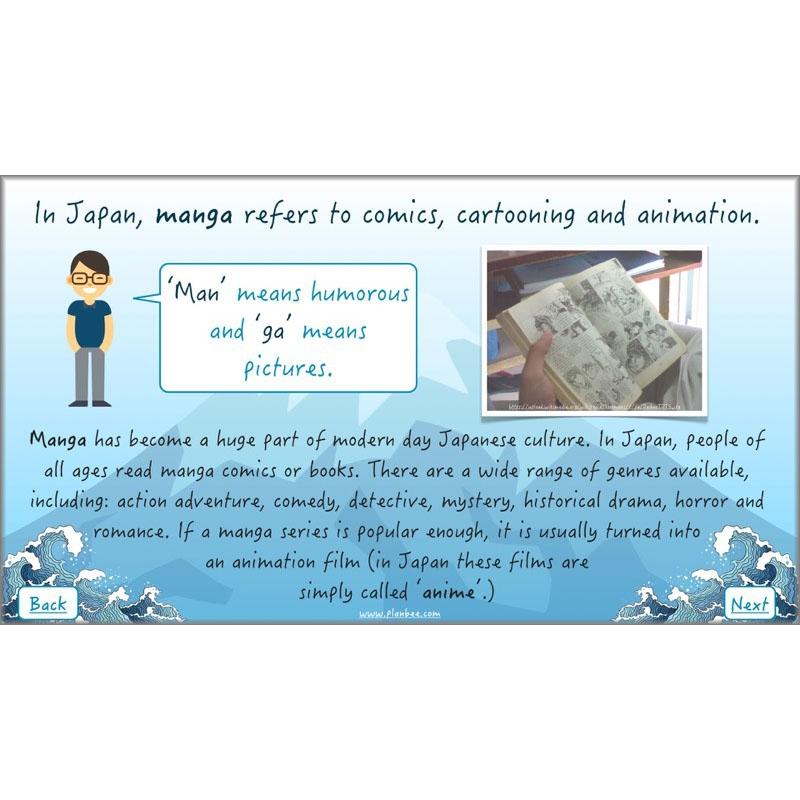
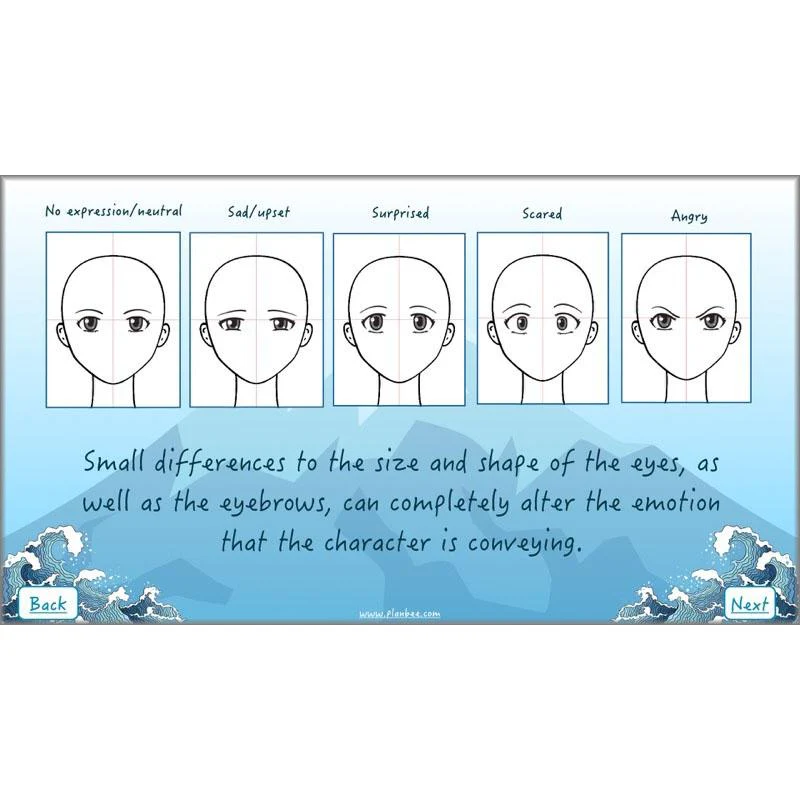
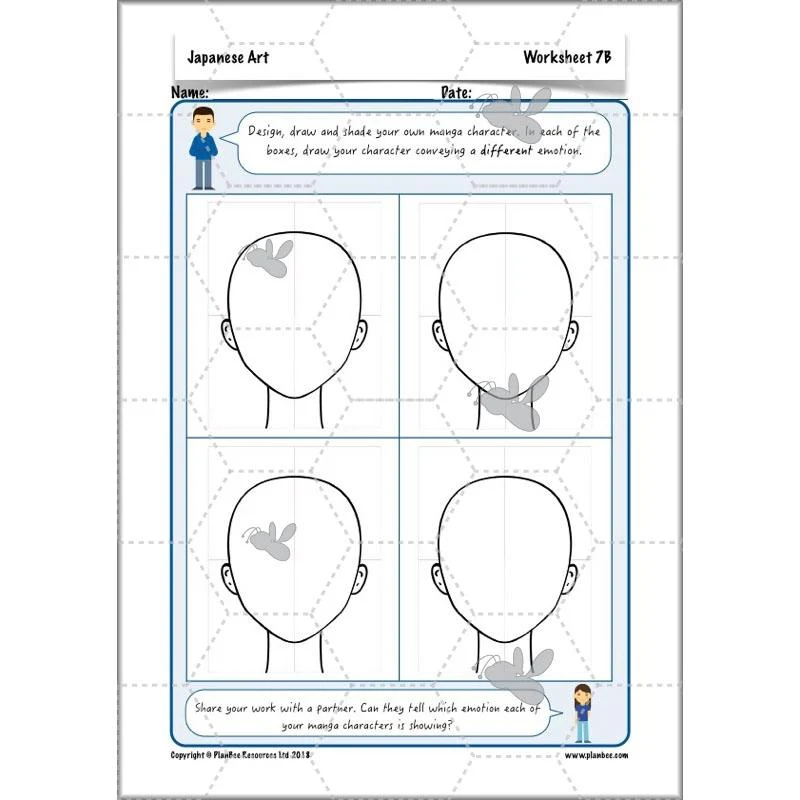
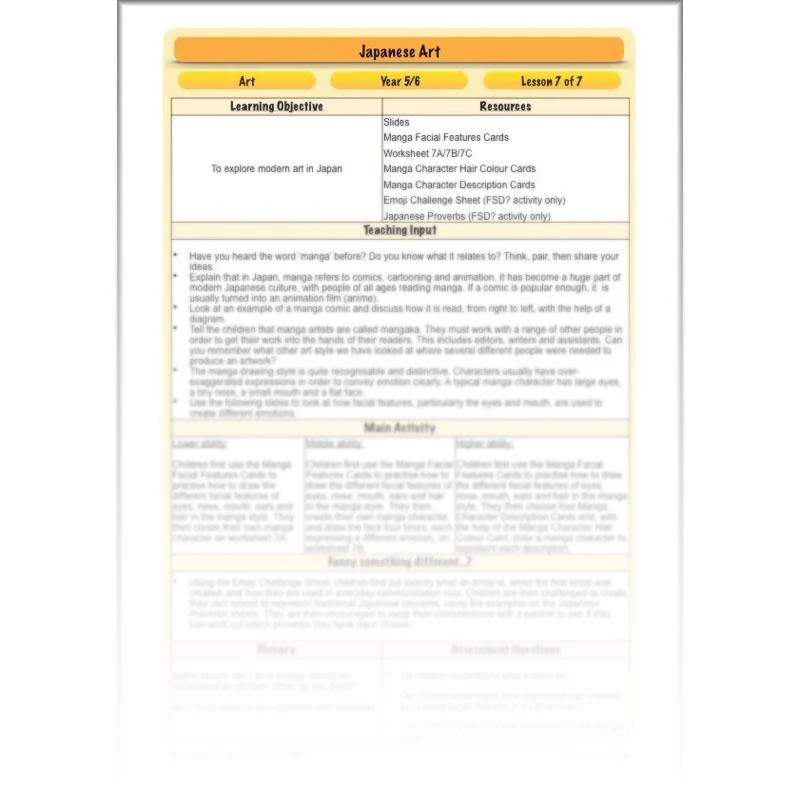
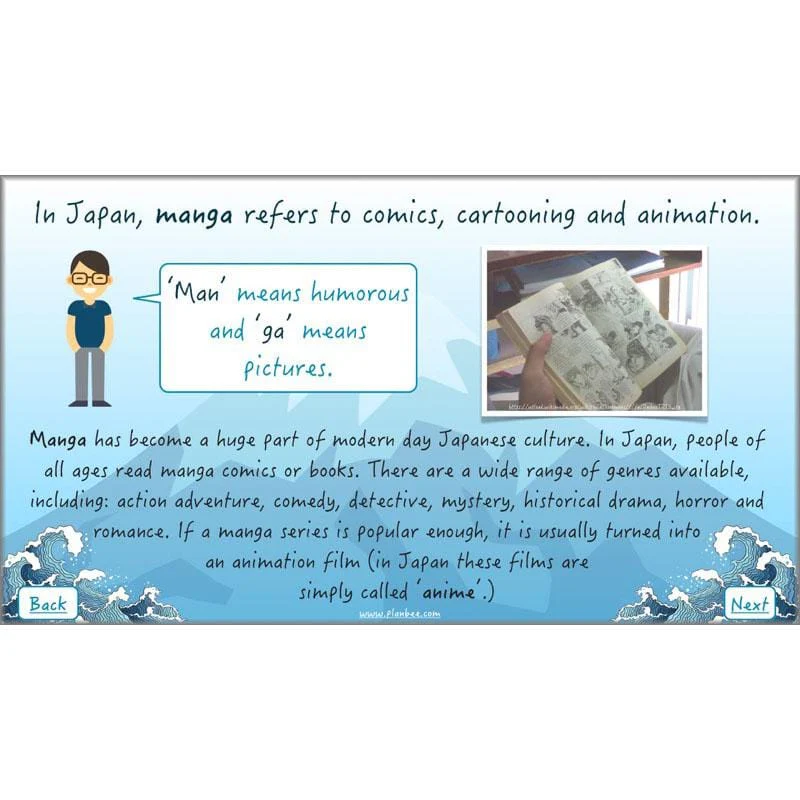
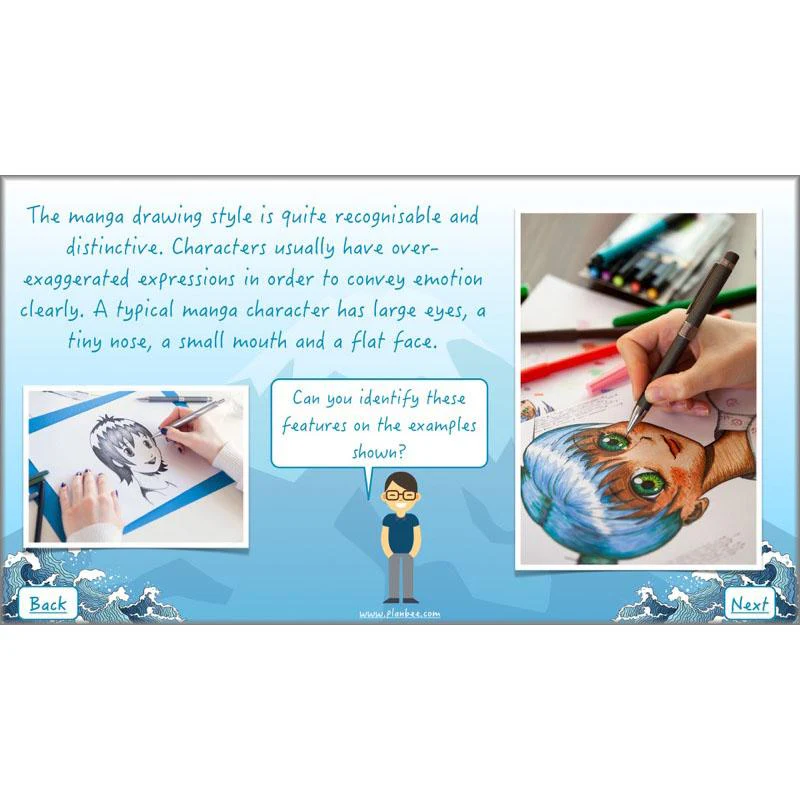
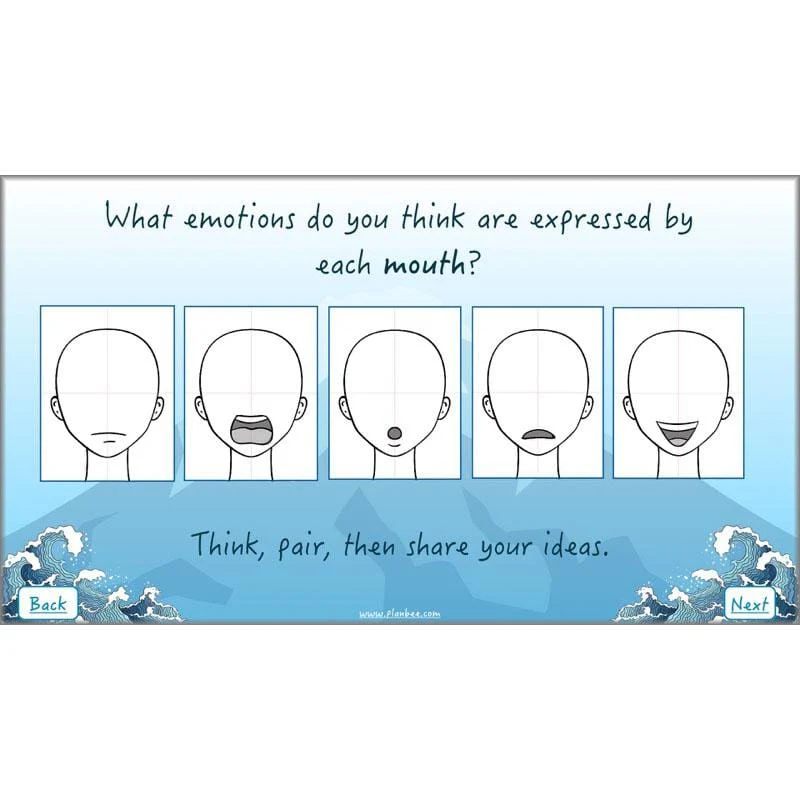
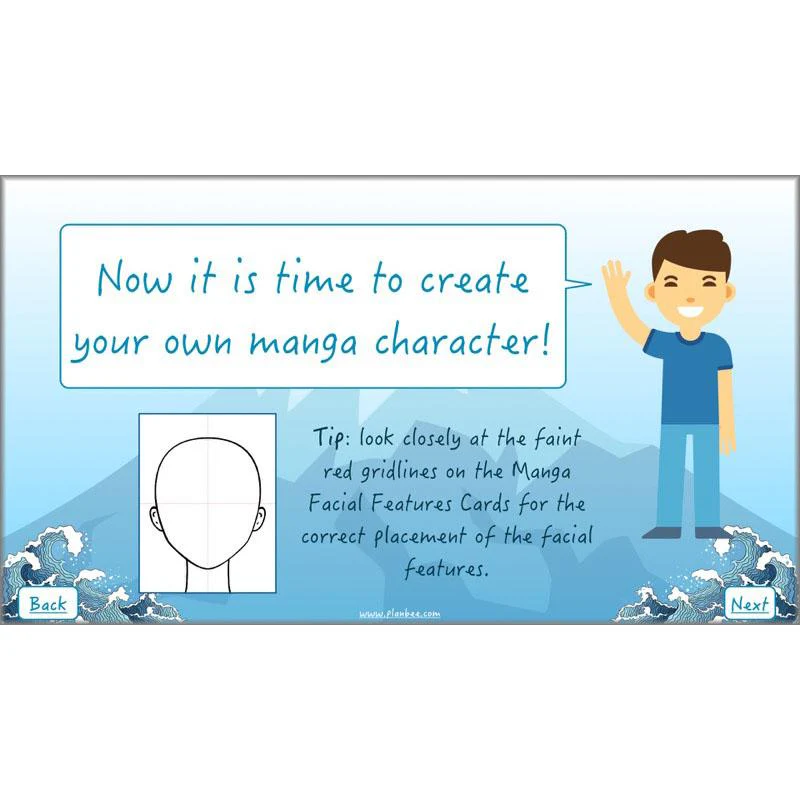
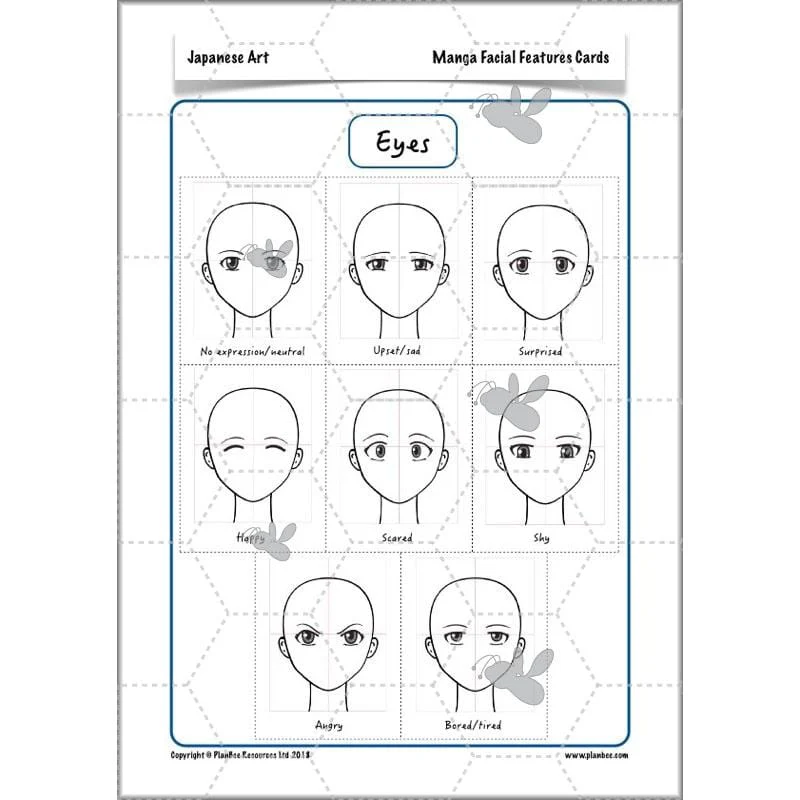
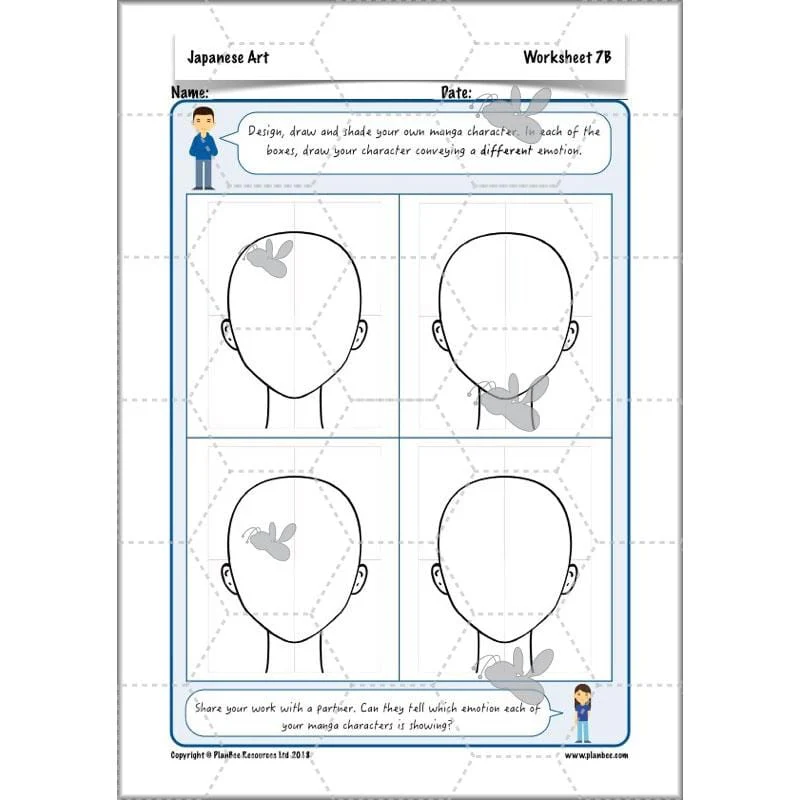
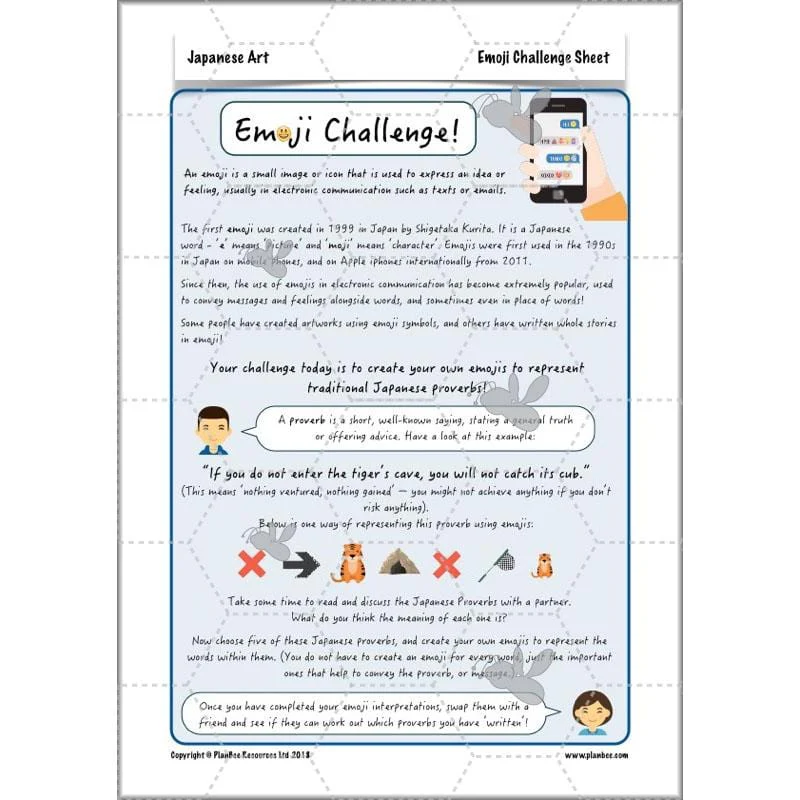
In this final lesson, children look at the modern art of manga, and the impact it has on modern day Japanese culture. They learn about mangaka (the manga artists) and look closely at the manga style of drawing, paying close attention to how facial features can be used to convey different emotions. In their independent activities, children first practise drawing these facial features before moving on to design and draw their own manga characters. In the alternative activity, children design their own emojis to represent Japanese proverbs.
What's included:
- Lesson plan
- Slides
- Activity ideas
- Differentiated worksheets
- Manga Facial Features Cards
- Manga Facial Features Practise Sheet
- Manga Character Hair Colour Cards
- Manga Character Description Cards
- Emoji Challenge Sheet
- Japanese Proverbs
Original: $4.65
-65%$4.65
$1.63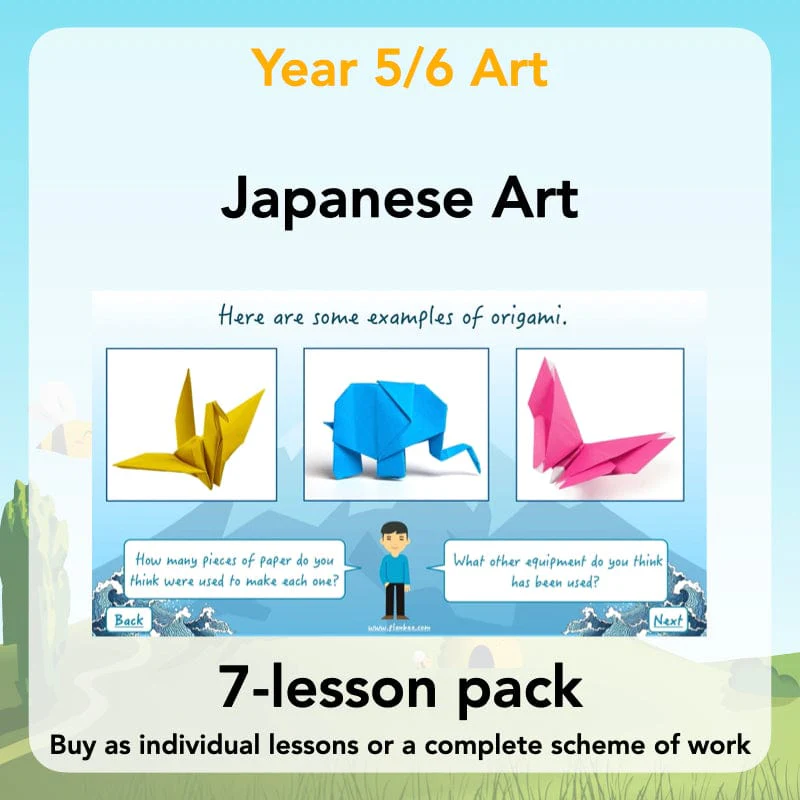
Description
Explore the amazing and varied art of Japan with this informative and engaging scheme of work for Year 5/6. The lessons cover a broad range of styles, including block-printing (ukiyo-e), the concept of Notan, origami, calligraphy (shodo), folk art and even manga!
With detailed lesson plans, slides, and a range of printable resources, you will find everything you need to teach this Year 5/6 ‘Japanese Art’ scheme of work to your class, who will soon be creating their very own Japanese-inspired artworks!
Save up to 15% on this scheme of work by creating your own Mix and Match Japan Topic Bundle – perfect if you're looking for a cross-curricular approach to your teaching!
Lesson 1: Visual Elements
What is art? In this first lesson, children are introduced to the seven visual elements of art: line, shape, tone, colour, pattern, texture and form. They observe and discuss these elements within different styles of Japanese art, and are encouraged to give their own thoughts and opinions of a variety of different artworks, both as a class, in smaller groups and individually.
What's included:
- Lesson plan
- Slides
- Activity ideas
- Differentiated worksheets
- Japanese Art Cards
- The Seven Visual Elements of Art Sheet
- Visual Elements Prompt Cards
- Visual Elements Word Bank
- Opinion Cards
Lesson 2: Ukiyo-e
Children find out about the Japanese art style of ukiyo-e, and how it became accessible to everyone in the Edo period due to the woodblock printing method. They look at various examples of ukiyo-e prints, with a focus on Hokusai’s series, ‘Thirty-Six Views of Mount Fuji’. In their independent work, children design and create their own print to accompany Hokusai’s series. Alternatively, they focus on the role of the printer, and are challenged to recreate the exact tones of colours used in a given print.
What's included:
- Lesson plan
- Slides
- Activity ideas
- How to Make a Ukiyo-e Style Print Instruction Sheets
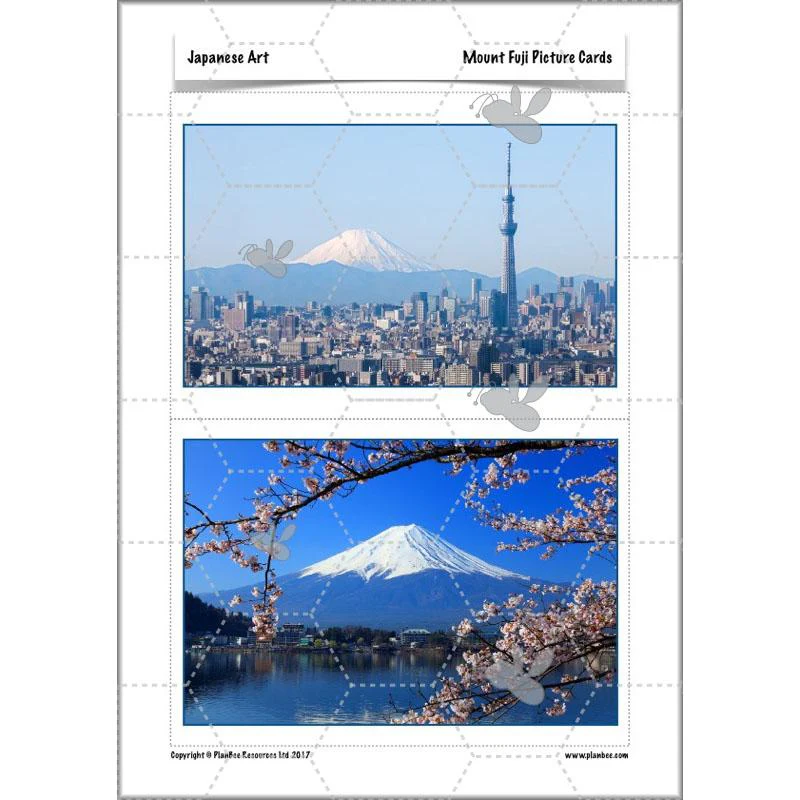
- Mount Fuji Picture Cards
- Colour Challenge Sheet
- Hues, Tints, Shades and Tones Help Sheet
Lesson 3: Notan
In this lesson, children explore the Japanese concept of Notan - the balance between light and dark, and positive and negative space within an artwork. Children further this knowledge and understanding in their independent activities, where they use the principles of Notan to create an artwork. Alternatively, they explore how Notan can be used when planning the composition of an artwork.
What's included:
- Lesson plan
- Slides
- Activity ideas
- Expansion of the Square Instruction Sheets
- Evaluation Cards
- Notan in Composition Information Sheet
- Notan Rectangle Cards
- Japanese Scene Cards
Lesson 4: Origami
Children learn about the origins of the amazing art of paper folding, and how the practice first developed in Japan. They are challenged to fold some of the common bases used in origami as starting points, before going on to fold a selection of different animals during their independent activities. In the alternative activity, children practise the art of kirigami – a variation of origami that involves cutting.
What's included:
- Lesson plan
- Slides
- Activity ideas
- Common Bases Instructions Sheets
- Origami Instructions Sheets
- Kirigami Sakura Flowers Instructions Sheet
Lesson 5: The Art of Writing
To begin, children first explore the Japanese writing system, and gain insight into how the Japanese language is written and read. They then learn about how writing can be considered an art form through the practice of calligraphy, or shodo. As a class, children look at different kanji characters and see how each one is made from several brushstrokes that are created in a certain order and direction. They practise creating their own calligraphy in their independent activities.
What's included:
- Lesson plan
- Slides
- Activity ideas
- Kanji Grid Paper
- Kanji Characters Cards
- Kakizome Information Sheet
- Kakizome Kanji Cards
Lesson 6: Folk Art
In this lesson, children explore the folk art of Japan. They focus on the Daruma doll, learning its origins and modern day use as a symbol of perseverance and good luck. In their independent activities, children design and make their own Daruma doll for a specific goal or wish that they have. In the alternative activity, children explore and make another type of Japanese folk art in the form of the Kokeshi doll.
What's included:
- Lesson plan
- Slides
- Activity ideas
- Design Sheets
- Daruma Doll Colour Meaning Cards
- Kanji Character Cards
- Daruma Doll Instructions Sheet
- Kokeshi Doll Information Sheet
- Kokeshi Doll Picture Cards
- Kokeshi Doll Challenge Cards
Lesson 7: Manga
In this final lesson, children look at the modern art of manga, and the impact it has on modern day Japanese culture. They learn about mangaka (the manga artists) and look closely at the manga style of drawing, paying close attention to how facial features can be used to convey different emotions. In their independent activities, children first practise drawing these facial features before moving on to design and draw their own manga characters. In the alternative activity, children design their own emojis to represent Japanese proverbs.
What's included:
- Lesson plan
- Slides
- Activity ideas
- Differentiated worksheets
- Manga Facial Features Cards
- Manga Facial Features Practise Sheet
- Manga Character Hair Colour Cards
- Manga Character Description Cards
- Emoji Challenge Sheet
- Japanese Proverbs